





Georgian London Prints
Georgian London prints capture the architectural grandeur and street life of the capital through period engravings, maps, and mezzotints.
Georgian London Prints
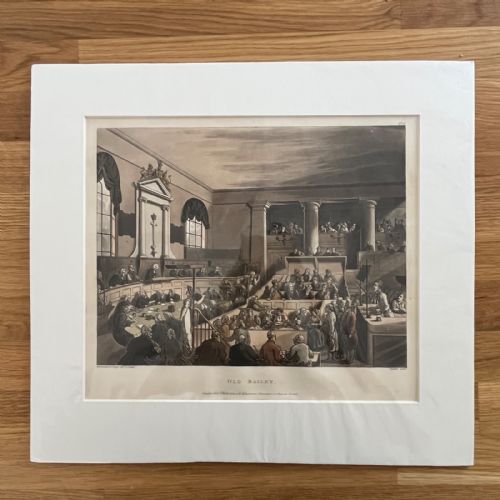
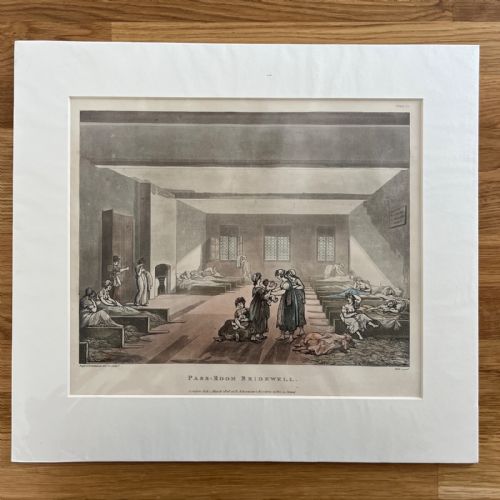
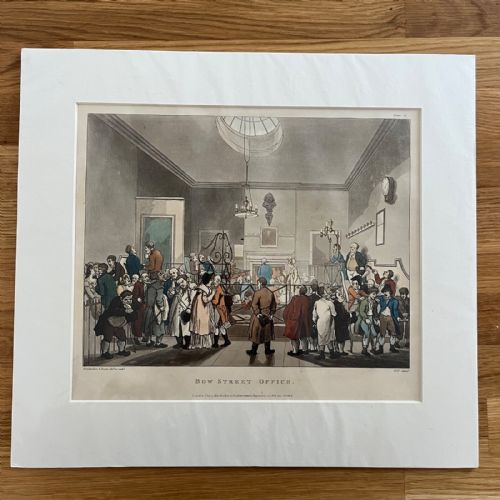
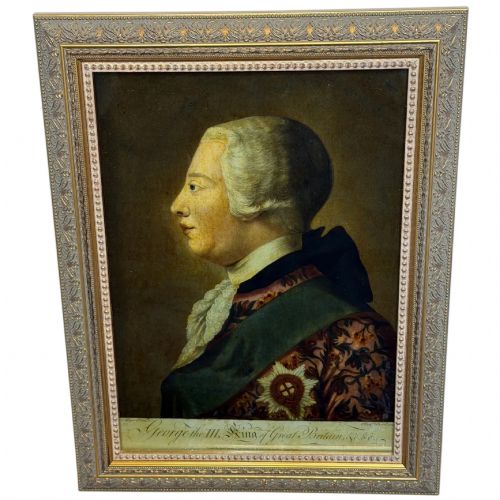
Georgian London prints encompass framed wall art, copperplate engravings, maps, and mezzotints that document the capital from the eighteenth and nineteenth centuries. Buyers searching for georgian london prints encounter works depicting River Thames views, satirical scenes, street criers, and detailed maps of the metropolis.
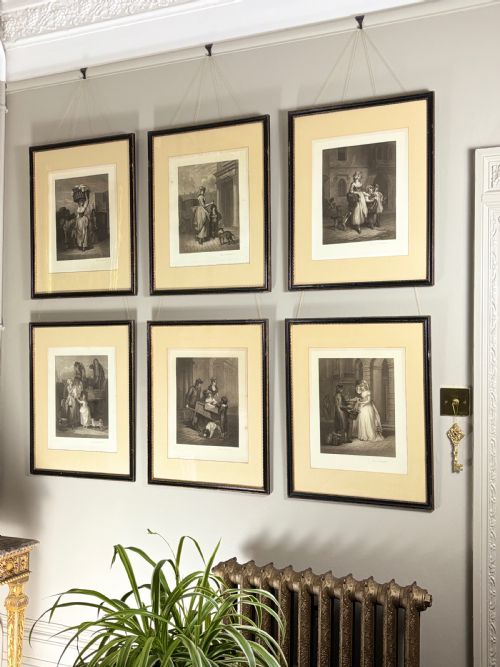
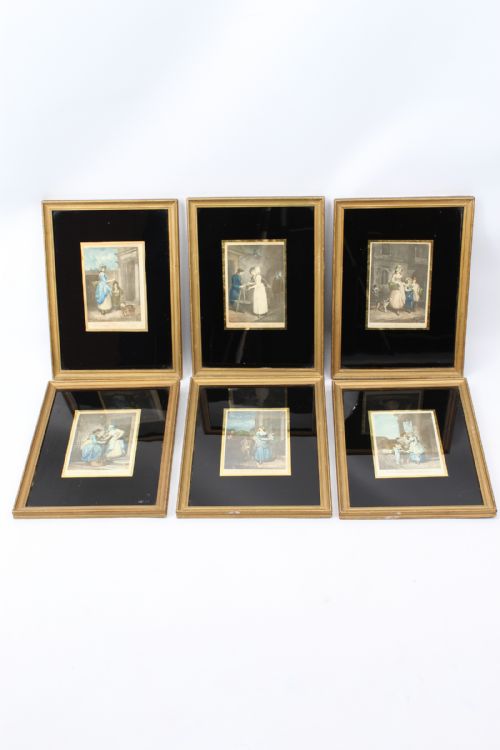
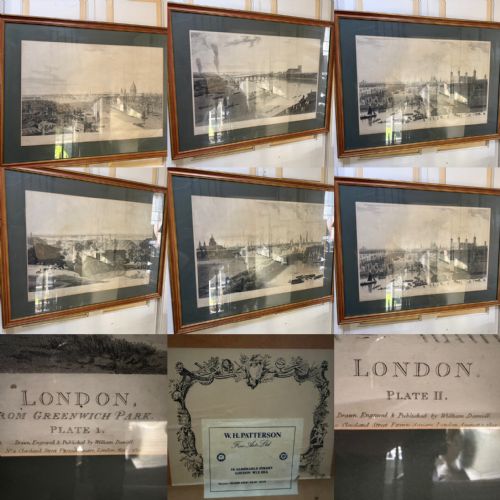
The selections available range from single antique maps published by makers such as William Darton and R. Creighton to portfolios of satirical engravings and sets depicting the Cries of London. These pieces offer a visual record of historic streets, hotels, and river vistas framed in wood, glass, and giltwood.
Most examples date across the nineteenth and eighteenth centuries, utilising paper, carbon ink, and oil paint within styles spanning the Georgian, Regency, and Victorian periods. Collectors find both individual framed plates and grouped sets that preserve the urban character of historic London.
Materials and Techniques
The works rely upon paper supports marked with carbon ink, watercolour, or oil paint, capturing fine lines through copperplate engraving and mezzotint techniques. Artisans and publishers applied hand-colouring to delineate details on topographical views and street scenes.
Framing materials incorporate wood, maple, and giltwood alongside protective glass panes, preserving delicate paper from environmental damage. Marbled paper surfaces also appear within the material record of these items.
Georgian London Prints Retail Price Guide 2026
Typical asking prices for georgian london prints among the pieces listed under this phrase on Sellingantiques today, from the lower quarter to the upper quarter. They describe what is for sale here now, not the wider market.
Listings feature paper, glass, wood, and oil paint across the 18th Century, 19th Century, and 1920 periods.
Assessing Quality and Execution
Quality rests upon the crispness of the impression left by the copperplate or mezzotint block, where deeper ink transfer maintains sharper architectural lines and facial expressions. Earlier impressions generally exhibit greater clarity before the metal plates experienced wear from repeated printing.
The preservation of the original paper, the integrity of contemporary hand-colouring, and the presence of period framing materials such as maple or giltwood contribute significantly to the standing of an individual piece.
Richard Purcell·Thomas G Appleton·William Daniell·Willam Darton·R. Creighton
The Georgian London Prints Glossary
- Mezzotint
- A printmaking process of the intaglio family where the plate is roughened to achieve tones and rich dark areas. This technique allows for subtle gradations in shading.
- Copperplate engraving
- A method where an image is cut into a copper sheet with a burin, holding ink in the grooves for printing. The resulting lines are exceptionally fine and precise.
- Giltwood
- Wood carved and covered with a thin layer of gold leaf or gold paint. It frequently forms the decorative finish of period picture frames.
- Burr walnut
- A veneer taken from the wart growths on walnut trees, prized for its swirling grain patterns. It appears in high-end antique furniture and framing contexts.
- Antique map
- A cartographic representation produced in a past century, documenting historical geography and town planning. These items hold value for both historians and collectors.
Georgian London Prints: Frequently Asked Questions
What subjects do these prints show?
The subjects depict historic London street scenes, river views of the Thames, satirical commentary, and detailed cartography of the capital and its environs. Creators recorded everyday vendors, prominent hotels, and major thoroughfares during the Georgian and Regency eras.
Buyers find both single topographical plates and grouped sets that illustrate the changing urban landscape across the eighteenth and nineteenth centuries.
How should I frame these pieces?
Traditional framing often utilises wood, maple, or giltwood profiles paired with glass to protect fragile paper surfaces from dust and moisture. Maintaining appropriate conservation standards ensures the paper and ink do not degrade over time.
Matching the frame style to the period of the print preserves the historical integrity of the piece while displaying it securely on a wall.
How do I identify the date?
Dates can be determined through publication lines inscribed on maps and engravings, stylistic indicators of the Georgian or Victorian periods, and documentation regarding the active years of the publisher. Engravers often signed and dated their plates directly beneath the image area.
Comparing paper types, printing techniques, and known publisher addresses helps narrow down the decade of production.
Are these works original period items?
The listings comprise authentic period items produced across the eighteenth, nineteenth, and early twentieth centuries, utilising traditional paper and printing methods. Each piece reflects the manufacturing standards and artistic conventions of its respective era.
Examining the ink distribution, paper texture, and framing provides reliable indicators of genuine antique status.