



Georgian Lighting Decor
Georgian lighting decor brings period illumination into a room, offering warm metalwork and refined forms that collectors prize for authenticity.
Georgian Lighting Decor
Georgian lighting decor encompasses candlesticks and lustres from the eighteenth and nineteenth centuries, spanning Georgian, Regency, Queen Anne, William IV, and Neoclassical styles. When searching for georgian lighting decor, buyers encounter practical domestic objects made to hold candles for interior illumination.
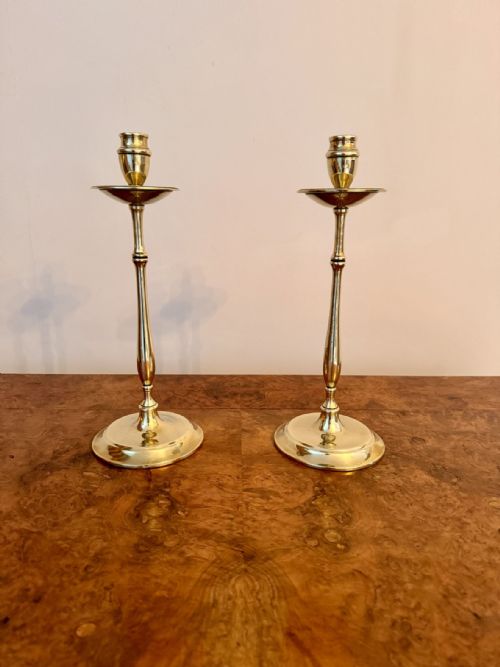
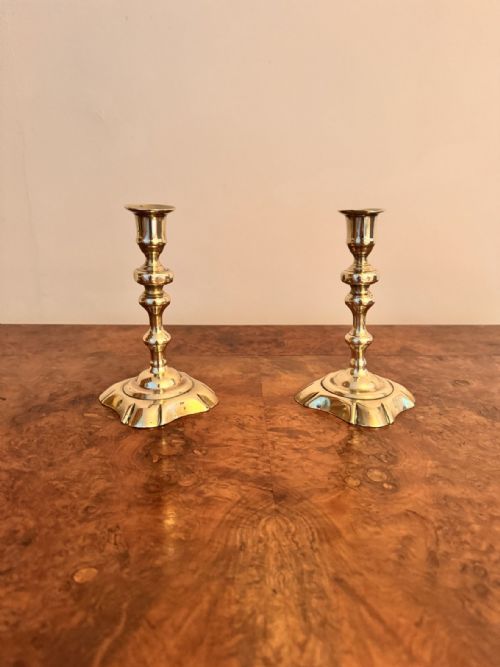
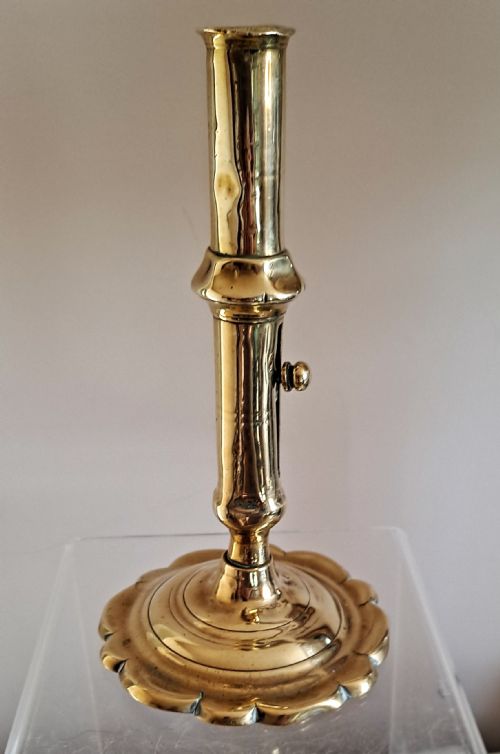
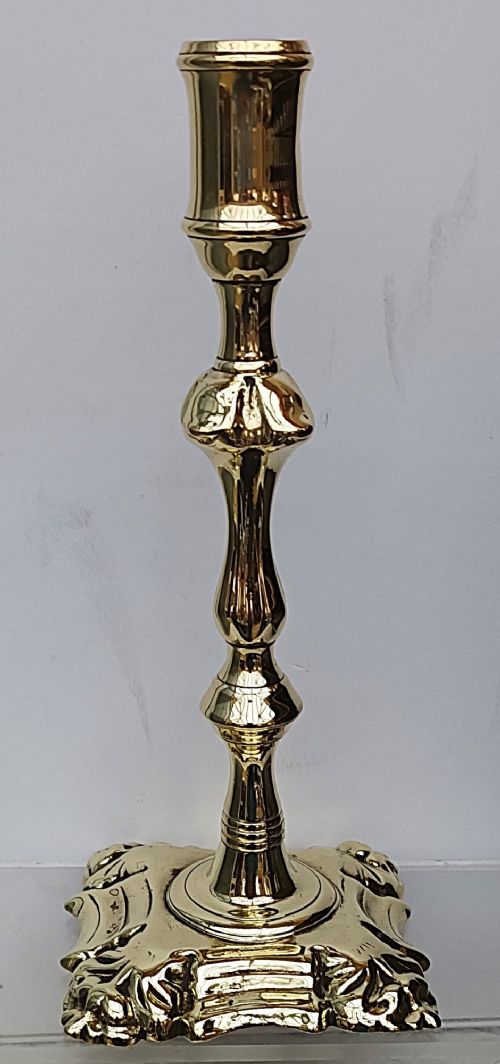
The most common pieces on this page are pairs of candlesticks fashioned from brass, cast brass, and patinated bronze. These objects range from slender shafts to petal-based designs, alongside glass lustres and Sheffield plate items.
Origins represented on this page focus on English craftsmanship from the 18th century, 19th century, and the Regency era. Forms include campana sconces and square bases, with occasional sculptural branches featuring squirrels.
How they were made
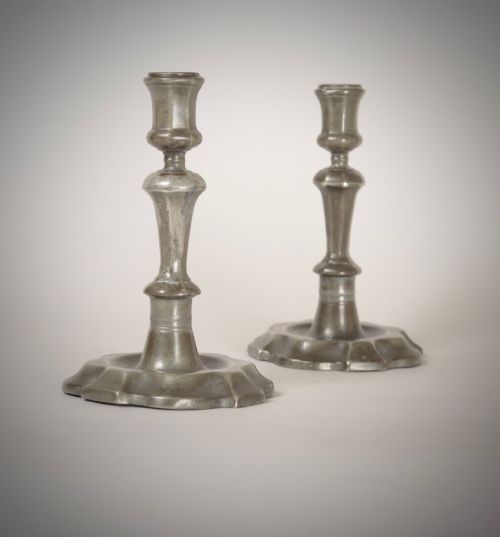
Metalwork dominates these pieces, utilising brass, cast brass, copper, pewter, patinated bronze, and gilt bronze. Makers also employed mahogany, cut glass, Wedgwood jasperware, and Old Sheffield plate to form distinct candleholders.
Techniques relied on casting and plating, demonstrated through cast bronze trees, shaped columns, and applied silver plating over base metal. Craftspeople shaped bases into petal outlines and fitted campana-form sconces to secure the candles.
Georgian Lighting Decor Retail Price Guide 2026
Typical asking prices for georgian lighting decor among the pieces listed under this phrase on Sellingantiques today, from the lower quarter to the upper quarter. They describe what is for sale here now, not the wider market.
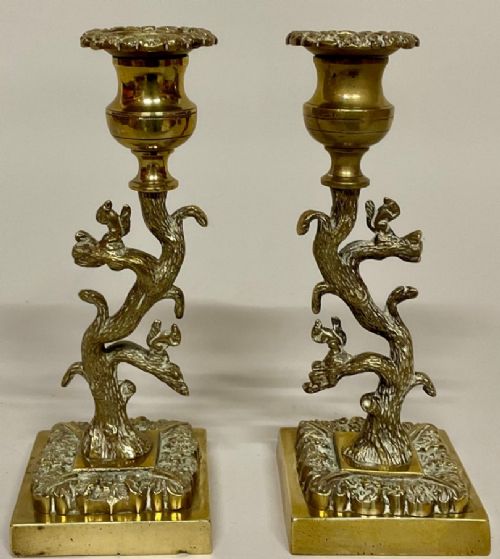
Squirrels peer out from cast bronze tree branches on at least one Regency pair.
What varies in quality
Quality rests in the crispness of the casting and the proportion of the column, where slender profiles and well-defined petal bases show superior execution. Secondary materials like mahogany and cut glass add complexity to the construction.
The choice of medium affects the finish, distinguishing simple turned brass from sculptural gilt or patinated bronze cast with figural details like squirrels among branches.
J.T. & Co
The Georgian Lighting Decor Glossary
- Campana sconce
- A vase-shaped candle socket resembling an inverted bell, commonly found on classical candlesticks. This form derives from ancient Roman pottery silhouettes.
- Paktong
- A copper-nickel-zinc alloy resembling modern nickel brass, used in the eighteenth century for bright metalwork. It offered a silvery alternative to standard brass.
- Old Sheffield plate
- A composite material formed by fusing a thin sheet of silver to a copper core, developed in the eighteenth century. It preceded modern electroplating.
- Lustre
- A candlestick or candelabra hung with cut glass prisms to reflect candlelight. These decorative elements amplified the illumination in period rooms.
Georgian Lighting Decor: Frequently Asked Questions
What is georgian lighting decor?
Georgian lighting decor comprises historical candleholders and lustres designed to illuminate rooms during the eighteenth and nineteenth centuries. These items rely on traditional metalworking and glass production.
Items span various styles including Queen Anne, Regency, and Neoclassical, offering functional objects that double as decorative antiques.
How were these candlesticks used?
These pieces served as portable light sources before the advent of electricity, placed on tables, mantelpieces, or desks to illuminate domestic spaces. Taper candlesticks specifically held thin wax tapers used for sealing letters.
Pairs were often arranged symmetrically on furniture surfaces to provide balanced lighting during evening hours.
How do I identify a Regency piece?
Regency items often incorporate Neoclassical motifs, patinated bronze, and sculptural elements such as campana sconces and animal figures. They reflect the design tastes of the early nineteenth century.
These pieces contrast with simpler eighteenth-century brass shafts by utilising darker patinated metals and more elaborate casting.
What materials should I expect?
Materials include brass, cast brass, copper, pewter, patinated bronze, and gilt bronze alongside mahogany and cut glass. Some items feature Old Sheffield plate or Wedgwood jasperware.
Each material dictates the visual weight and care required for the specific candlestick or lustre.