

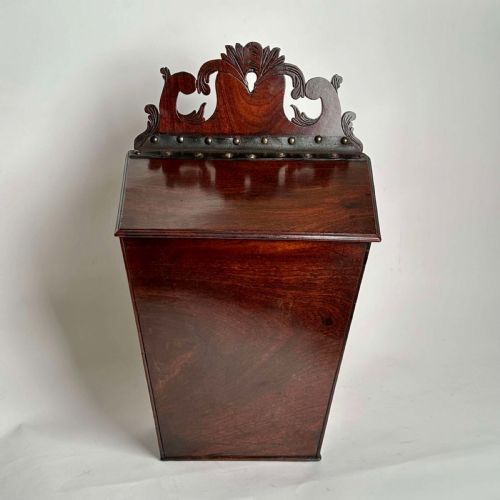


Georgian Lidded Box
A georgian lidded box is a practical container built for domestic storage, offering period craftsmanship and lasting utility.
Georgian Lidded Box
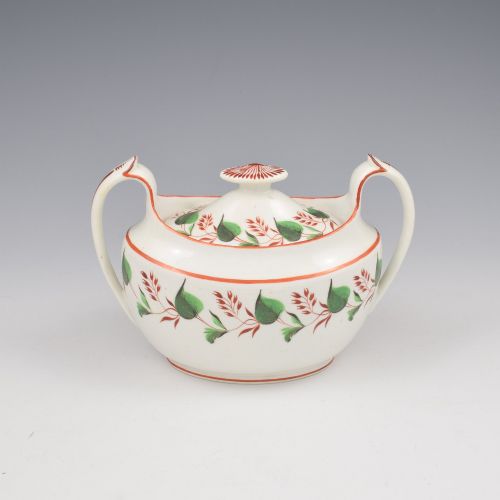
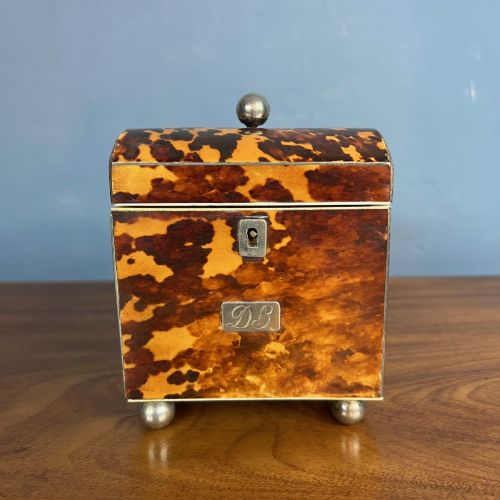
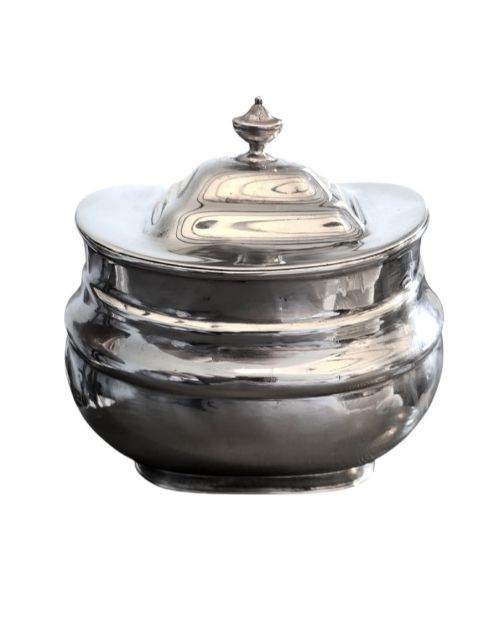
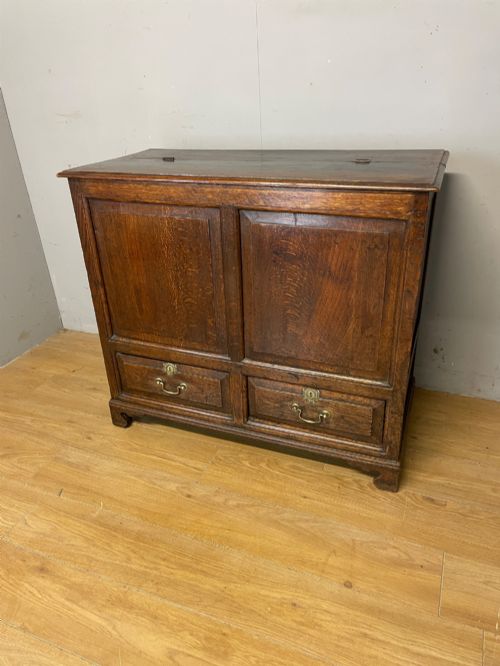
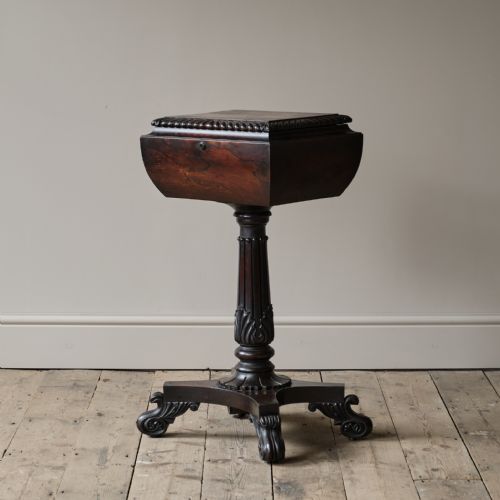
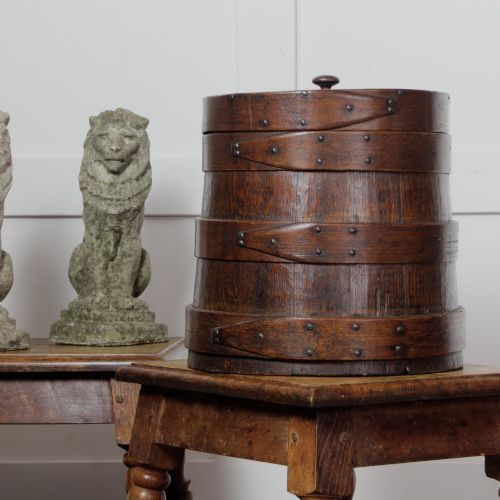
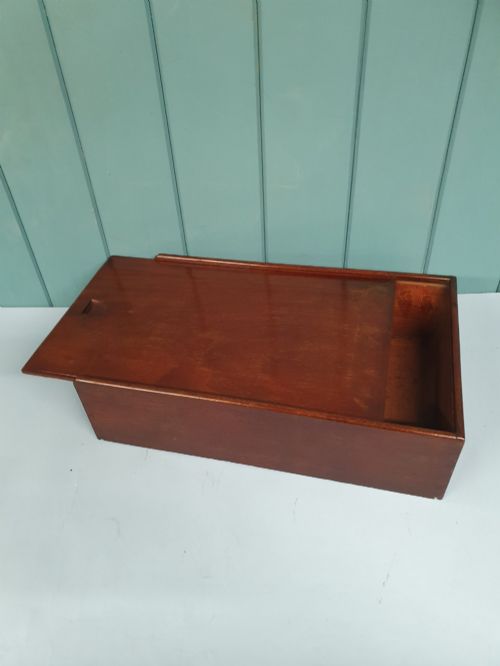
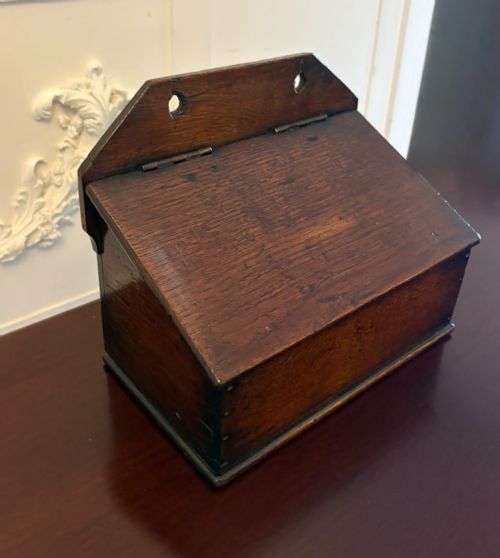
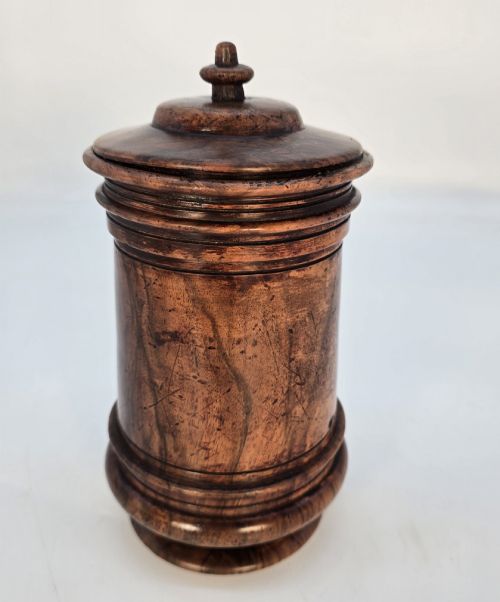
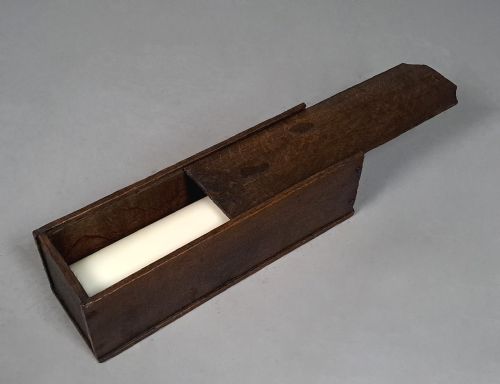
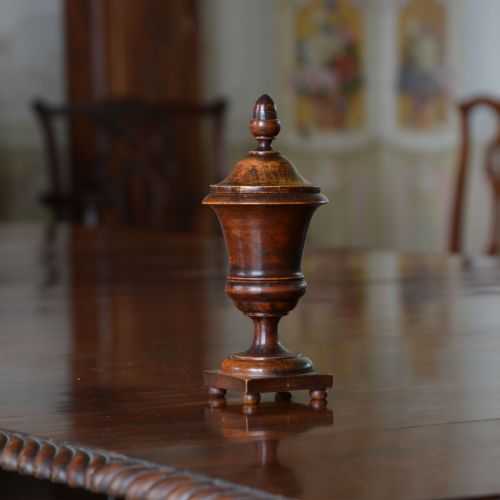
A georgian lidded box encompasses functional containers made across the eighteenth and early nineteenth centuries for domestic commodities like tea, candles, documents and small personal items. These pieces range from refined drawing room tea caddies in mahogany and satinwood to utilitarian oak wall-hanging candle boxes and sturdy flour bins.
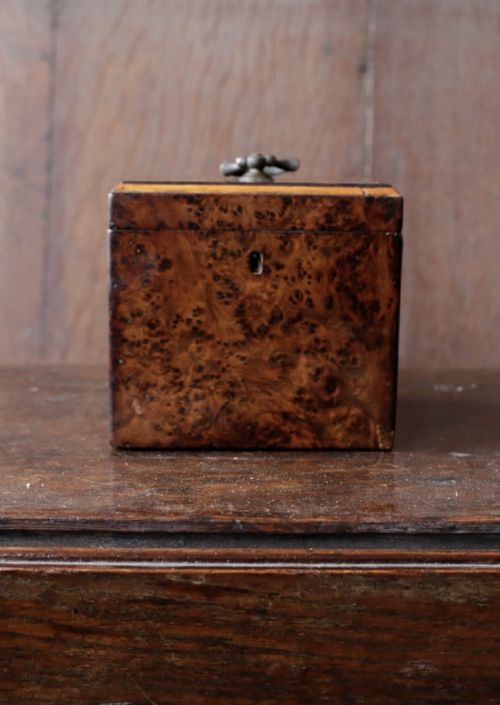
The version most commonly met on this page is the tea caddy or document box dating from the George III and Regency periods, frequently executed in mahogany or oak. Surviving examples demonstrate the shift from simple vernacular treen to decorative veneered receptacles intended for polite society.
Materials and construction
Makers utilised native and imported timbers, pairing structural woods like oak and pine with decorative veneers such as mahogany, harewood, burr yew, and birdseye maple. Brass fittings, iron locks, copper linings and bone or enamel accents were frequently added to secure contents and ornament the exterior.
Joinery methods varied according to the intended use of the box, employing dovetailing for fine cabinet work and sturdy pegged construction or vernacular trenching for rustic candle boxes and bins. Surface decoration relied on natural grain patterns, inlaid details, and penwork rather than heavy applied carving.
Georgian Lidded Box Retail Price Guide 2026
Typical asking prices for georgian lidded box among the pieces listed under this phrase on Sellingantiques today, from the lower quarter to the upper quarter. They describe what is for sale here now, not the wider market.
Listings feature eighteenth and nineteenth-century storage pieces rendered in materials from brass and copper to oak, mahogany, and bone.
Factors influencing quality
Quality rests upon the selection of timber and the precision of the cabinetwork, where well-figured veneers and tight dovetail joints separate superior drawing room pieces from utilitarian storage items. The intactness of original hardware, locks, and interior compartments further defines the standing of a piece.
Proportion and restraint in decorative inlay distinguish master-made caddies and boxes from simpler vernacular work, though rustic items derive their merit from honest construction and untouched patination.
William Eaton·South Staffordshire·Coalport·Bilston Enamel
The Georgian Lidded Box Glossary
- Tea Caddy
- A lidded box specifically designed for storing loose tea leaves, often featuring internal compartments and a lock. These vessels were kept secure in the parlour or dining room.
- Treen
- Small handmade wooden household objects and utilitarian wares turned on a lathe or carved by hand. The term covers items ranging from domestic boxes to shoe snuffers.
- Sarcophagus
- A box form featuring a sloping, convex lid shape reminiscent of classical stone tombs, popular during the Regency period for tea caddies and work boxes.
- Penwork
- A decorative technique using fine ink lines to create intricate surface patterns and pictorial scenes on wood, seen on specialised Regency boxes.
- Cellaret
- A large lidded container or bin used for storing bottles of wine near the dining table, often lined and fitted during the George III period.
Georgian Lidded Box: Frequently Asked Questions
What were tea caddies used for?
Tea was an expensive commodity in the eighteenth century, so leaves were kept locked away in specialised boxes by the mistress of the house. These containers often featured internal lidded canisters to separate different varieties.
Servants brought the caddy to the drawing room when tea was to be served, maintaining strict control over the household stores.
How do I care for antique wood boxes?
Keep wooden boxes away from direct sunlight and heat sources to prevent the timber and delicate veneers from drying out and splitting. Maintain a stable indoor humidity and apply occasional light wax polish to nourish the surface.
Avoid using modern liquid cleaners or harsh chemicals, which can strip the historic polish and damage the patina accumulated over centuries.
Are candle boxes meant for hanging?
Many surviving eighteenth-century oak candle boxes feature shaped backboards with pierced holes specifically designed for wall mounting. This kept tallow dips and beeswax candles safe from household pests and within easy reach of the hearth.
Utilitarian boxes without hanging boards were typically placed on tables or stored inside cupboards depending on domestic arrangements.
How can I tell George III from Regency boxes?
George III pieces often display restrained classical proportions, straight lines, and understated mahogany or satinwood veneers reflecting the influence of the Neoclassical style.
Regency boxes frequently adopt bolder architectural forms such as the sarcophagus shape, incorporating richer veneers like birdseye maple, brass paw feet, and intricate penwork decoration.