


Georgian Kitchen Furniture
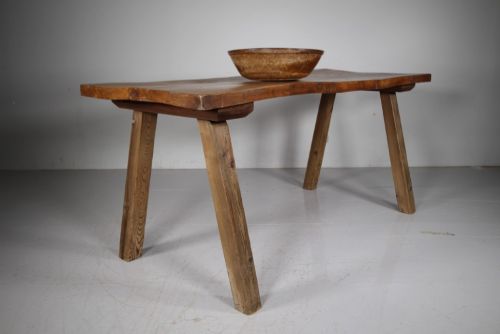
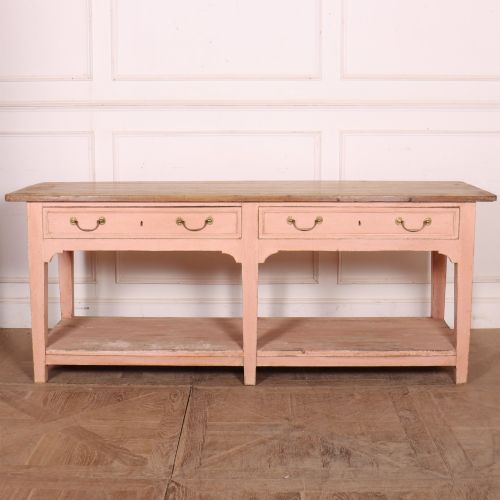
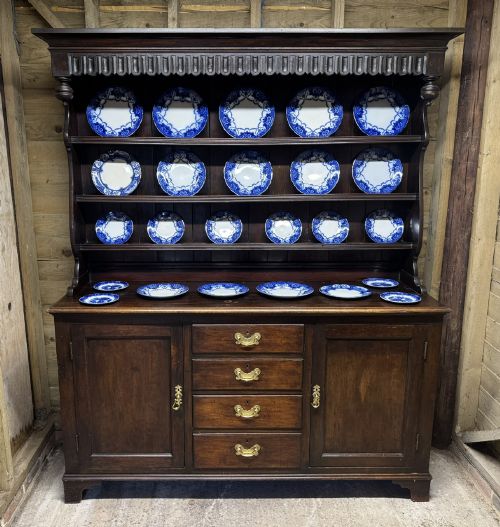
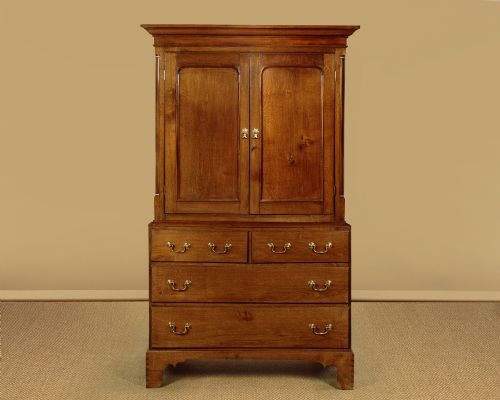
Georgian kitchen furniture comprises sturdy dressers, dining tables, and cupboards built for domestic utility in native timbers.
Georgian Kitchen Furniture
When you search for georgian kitchen furniture, you encounter practical items designed for everyday domestic use during the eighteenth and early nineteenth centuries. These pieces reflect regional vernacular traditions across England, Wales, Ireland, and Scotland, constructed by local joiners rather than urban cabinetmakers.
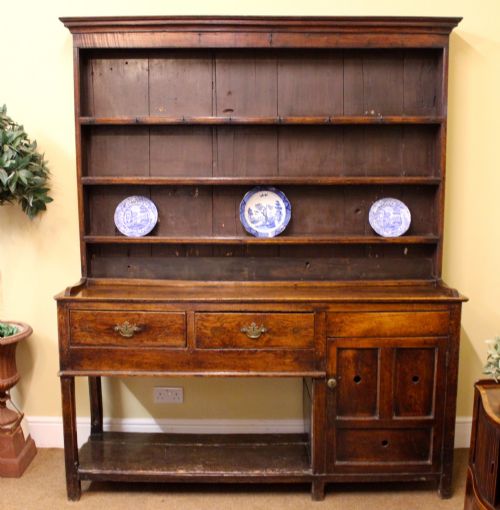
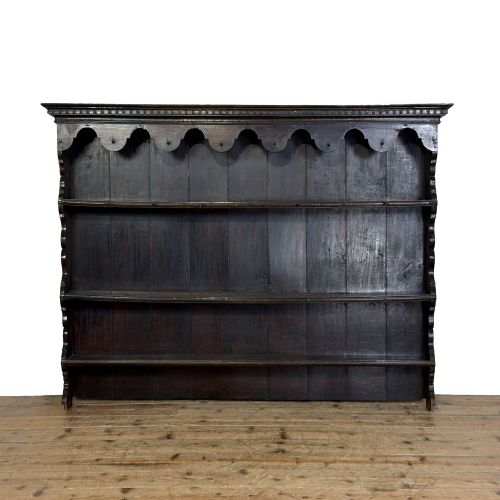
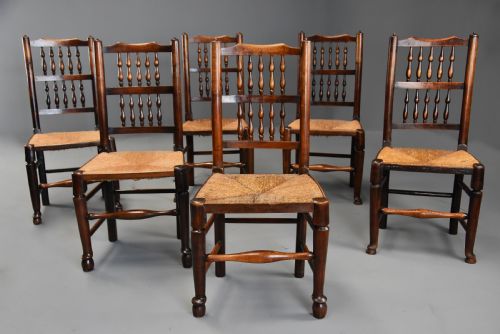
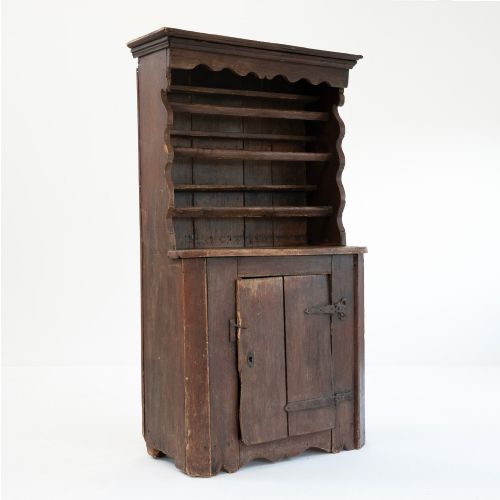
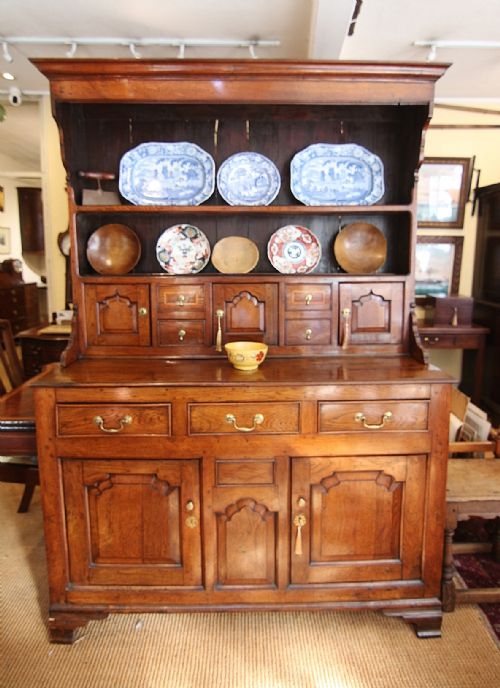
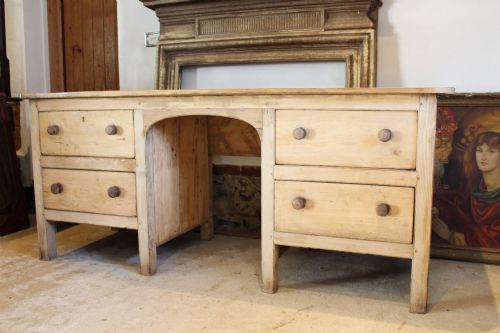
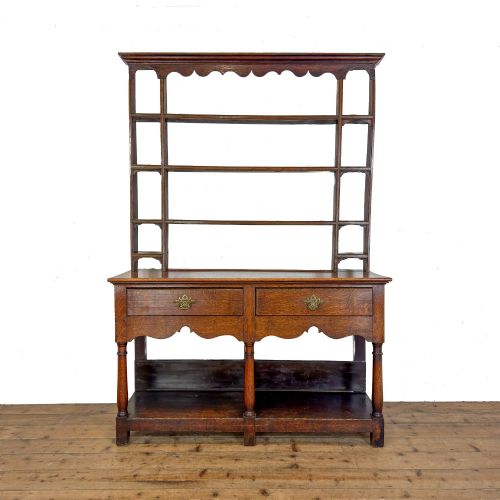
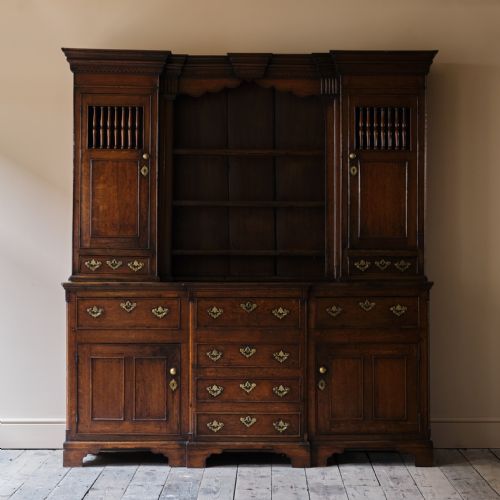
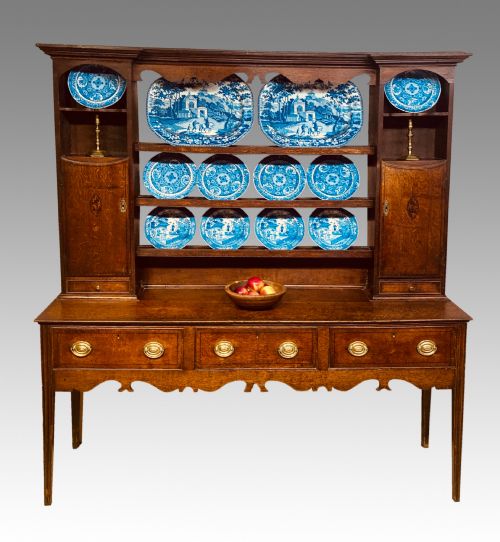
The most common forms on this page include oak and pine dressers with open plate racks or lower potboards, alongside solid farmhouse dining tables and spindle back chairs. Cupboards and wall shelves also appear frequently, serving the storage needs of rural houses and country cottages.
The periods represented span from the mid-eighteenth century through the Victorian era, though the core of the selection sits firmly within the Georgian epoch and the Regency transition. Regional styles such as Welsh vernacular and English country farmhouse dominate the selection.
How they were made
Makers relied primarily on native hardwoods and softwoods, predominantly oak, elm, ash, and pine, often supplemented by sycamore and walnut. Timber was selected for utility and local availability, resulting in thick planks and heavy framing designed to withstand rigorous daily use.
Construction techniques prioritise structural honesty over elaborate decoration, utilising peg joinery, dovetailed drawers, and boarded backs. Many surfaces retain traces of early paint or develop deep patination through centuries of domestic wear and cleaning.
Georgian Kitchen Furniture Retail Price Guide 2026
Typical asking prices for georgian kitchen furniture among the pieces listed under this phrase on Sellingantiques today, from the lower quarter to the upper quarter. They describe what is for sale here now, not the wider market.
Bread and cheese cupboards once kept dairy safe from nimble mice.
What varies in quality
The distinction between standard domestic items and superior examples rests upon timber selection, regional proportion, and the preservation of original surfaces. Pieces originating from specific regional centres like Snowdonia or Llanrwst often display distinct architectural detailing and superior proportions.
Originality of components drives the assessment of worth, particularly regarding plate racks paired to dresser bases, handles, and potboard structures. Untouched surfaces and deep patination separate honest vernacular pieces from heavily restored examples.
The Georgian Kitchen Furniture Glossary
- Potboard
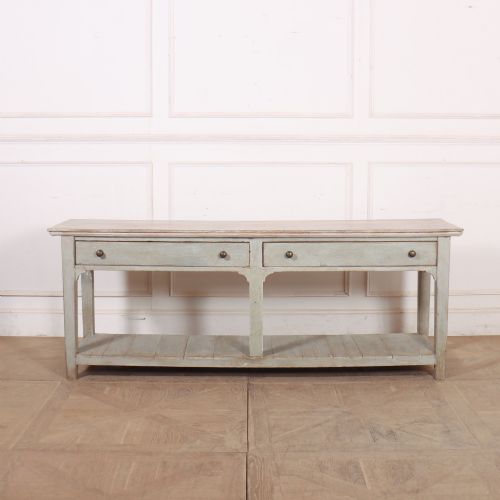
- An open lower shelf beneath a dresser base designed for storing pots and pans. This platform sits just above the floor, supported by stile extensions.
- Spindle back
- A chair design featuring thin vertical wooden rods inserted into the back rail. These are commonly found on ash and elm farmhouse chairs.
- Bread and cheese cupboard
- A regional storage piece with pierced or louvred panels for ventilation. These allowed air circulation around perishable foodstuffs in the larder.
- Panetiere
- A small freestanding wooden cabinet used for storing bread. They originate from continental traditions but appear in nineteenth-century British contexts.
- Delft rack
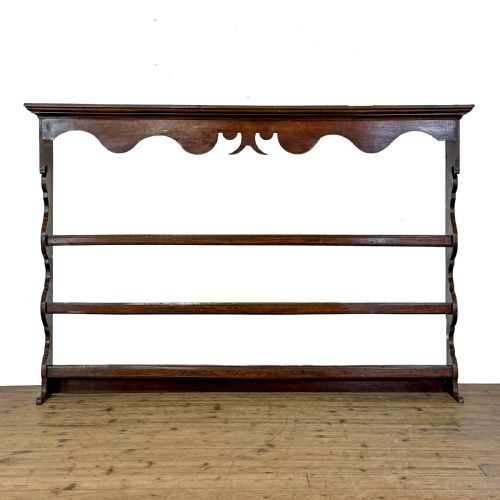
- An open wall-mounted shelving unit designed to display plates upright. The shelves often incorporate grooves to keep ceramic chargers from slipping.
Georgian Kitchen Furniture: Frequently Asked Questions
What defines georgian kitchen furniture?
These items encompass utilitarian tables, dressers, and cupboards produced during the eighteenth and early nineteenth centuries for domestic service. They prioritise solid construction in native woods like oak and elm over decorative veneers.
Most pieces emerged from regional workshops in Wales, England, and Ireland rather than London cabinet-making houses, reflecting local rural needs and vernacular styles.
How were these pieces used daily?
Dressers and plate racks held ceramic tableware and cooking vessels within easy reach of the hearth. Dining tables and farmhouse chairs accommodated large households for meals and food preparation.
Cupboards and wall shelves provided secure storage for provisions, dry goods, and household utensils in busy kitchens and pantries.
How do I care for antique oak?
Maintain stable humidity levels and avoid placing wooden items near direct heat sources or strong sunlight. Apply natural beeswax sparingly to nourish the dry grain and protect the surface.
Clean surfaces with a dry or barely damp cloth, avoiding modern chemical polishes that can degrade the historic patination over time.
Are dressers and racks originally paired?
Many dresser bases and upper plate racks evolved together in the same household, while others were united later in their history. Inspecting the timber species, construction methods, and wear patterns helps determine if the two sections share a common origin.
Proportion and colour alignment also offer clues to whether a base and rack started life in the same workshop.