




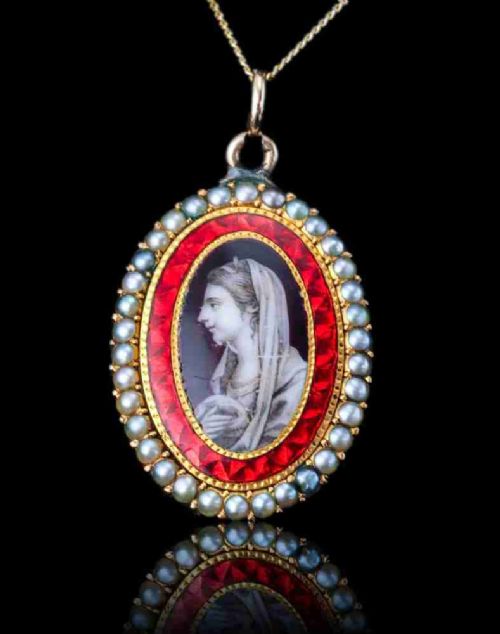
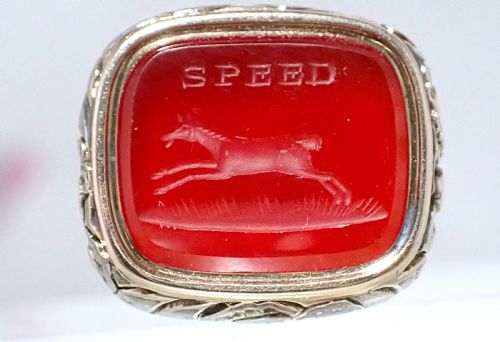
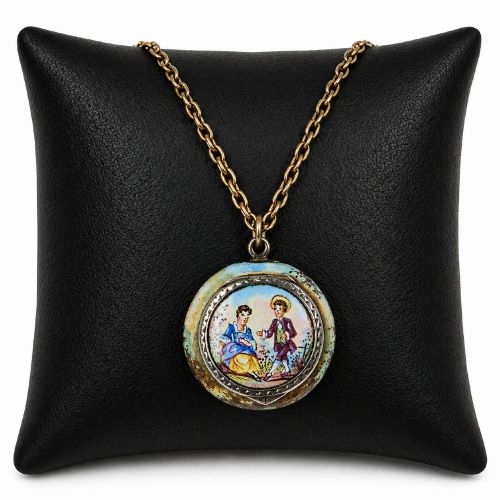

Georgian Jewellery Pendant
When you handle a georgian jewellery pendant, you hold a hand-wrought piece of the eighteenth or nineteenth century containing miniatures, glass, or precious stones.
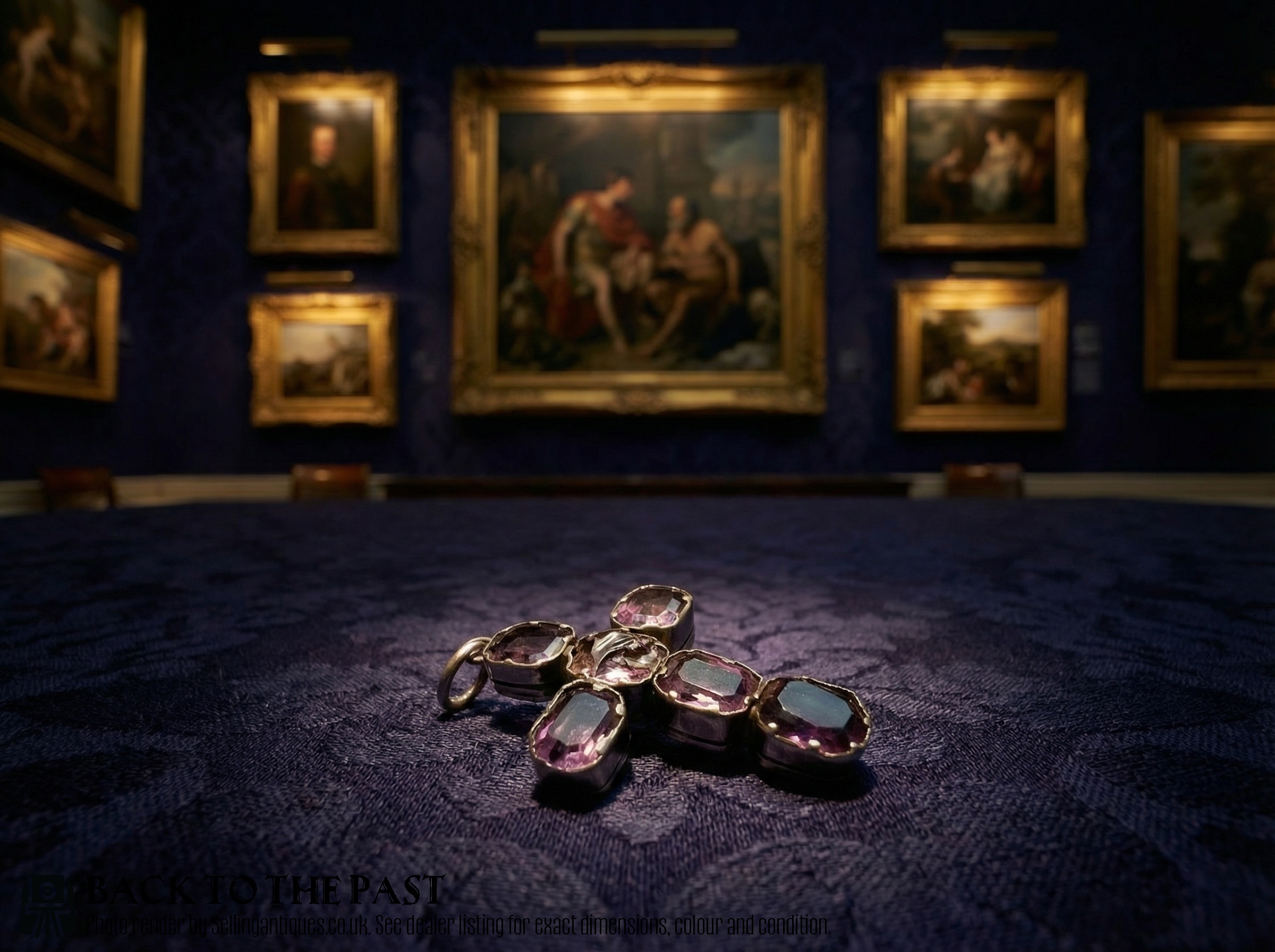
Georgian Jewellery Pendant
A georgian jewellery pendant encompasses small, personal adornments from the Georgian era and adjacent periods, taking forms such as lockets, portrait miniatures, and swivel fobs.
The pieces meeting this description span gold and silver frames enclosing painted miniatures, hairwork, pastes, and hardstones designed to be worn close to the body.
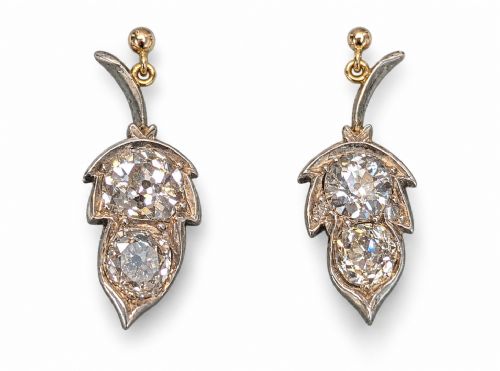
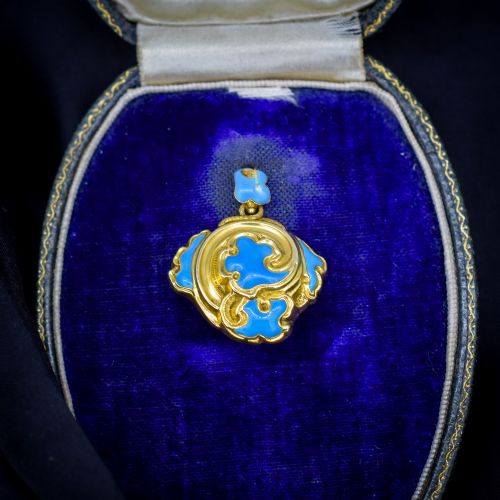
Makers utilised distinct regional styles, producing items ranging from simple seal fobs to elaborate diamond and enamel drops set in yellow or rose gold.
How they were made
Goldsmiths worked with yellow and rose gold, sterling silver, and base metals to house gemstones, glass paste, and hand-painted portraits.
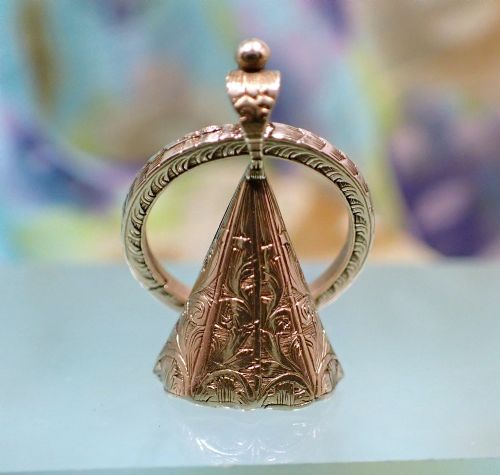
Techniques combined foiled settings to catch light behind stones, delicate engine-turning on metal surfaces, and precise hand-carving in seals and intaglios.
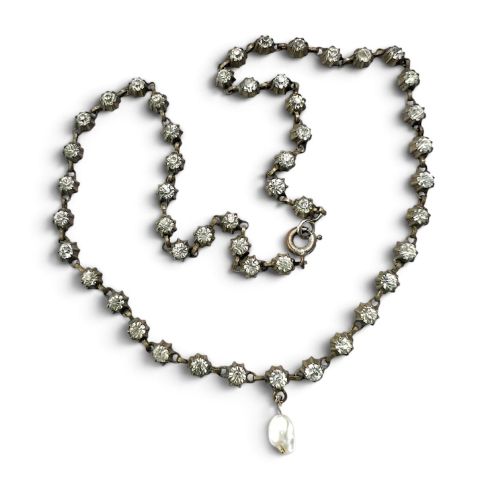
The documented object forms include portrait miniatures, swivel fobs, seal pendants, drop earrings, lockets, and riviere necklaces.
What varies in quality
The standard of execution in miniature painting, engraving, and stone-setting determines the distinction between ordinary workshop output and superior artistry.
Preservation of original foil backings, undamaged enamel, and intact bezels distinguishes pieces that retain their integrity from those altered over time.
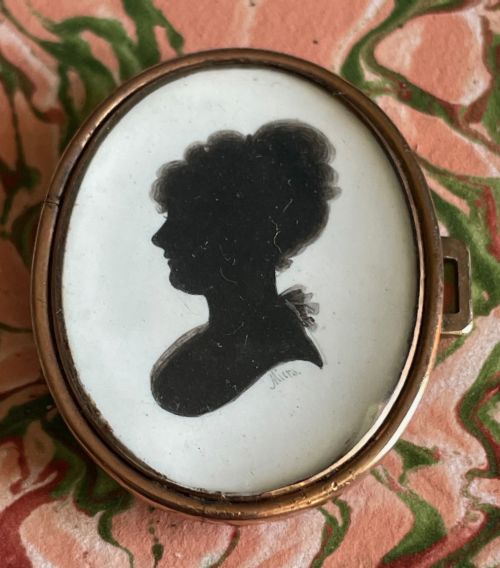
Henry Bone ARA·John Miers·Christian Friedrich Zincke
The Georgian Jewellery Pendant Glossary
- Fob seal
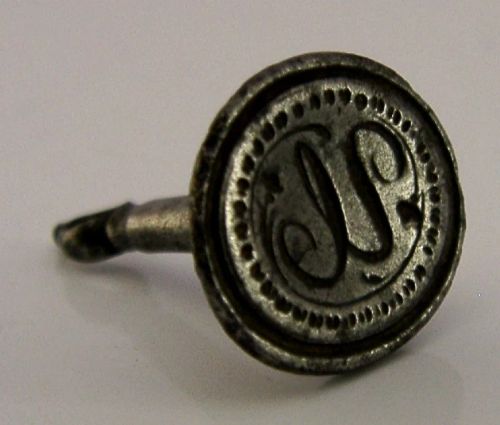
- A small pendant featuring a carved matrix used for stamping wax. These items hung from watch chains and often displayed intaglio stones.
- Paste
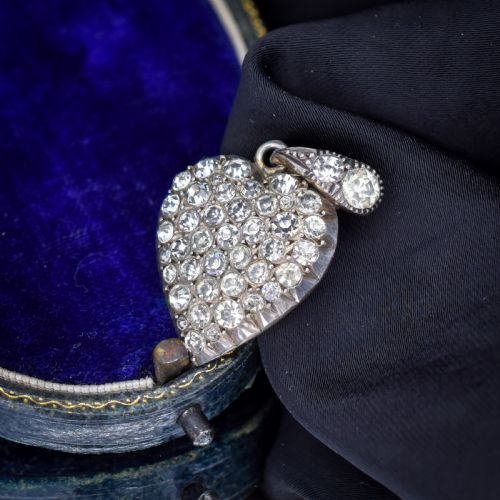
- Hand-cut and polished lead glass used to imitate diamonds or coloured gemstones. Georgian jewellers valued it for its specific refractive qualities.
- Portrait miniature
- A small, highly detailed painting on ivory, vellum, or card, usually housed inside a gold locket frame.
- Rivière necklace
- A continuous line of matched gemstones or paste stones mounted in individual collets.
- Engine-turned
- A mechanical method of engraving precise geometric patterns onto metal surfaces using a rose engine lathe.
Georgian Jewellery Pendant: Frequently Asked Questions
What is a georgian jewellery pendant?
A georgian jewellery pendant is a wearable antique item from the eighteenth or early nineteenth century, typically fashioned from gold, silver, or gilt metal.
These objects often incorporate portraits, hairwork, paste glass, or carved hardstones designed for personal sentiment or display.
How were pendant fobs used?
Pendant fobs served as practical tools for pressing wax seals on correspondence, suspended from chains or ribbons worn by men and women.
Over time, these functional seals transitioned into decorative charms and pendants housing engraved carnelian, chalcedony, or sardonyx.
How do I identify a portrait miniature pendant?
Portrait miniature pendants feature hand-painted likenesses, often executed in sepia or full colour on ivory or vellum, secured beneath glass within a gold or silver frame.
Many examples open as lockets, occasionally concealing woven hair compartments or inscriptions on the reverse.
What materials appear in these pendants?
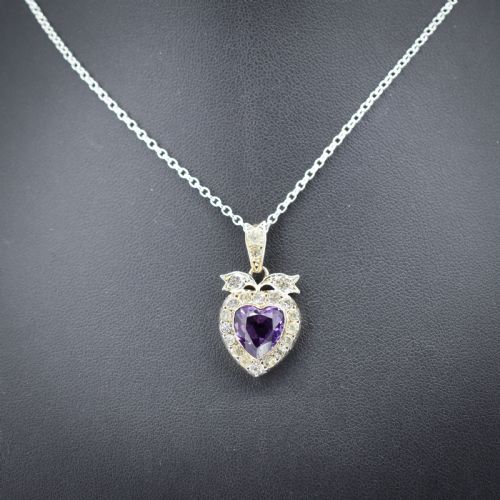
Jewellery from this scope utilises yellow gold, rose gold, sterling silver, gilt metal, and platinum alongside natural stones like amethyst, carnelian, diamond, and garnet.
Craftsmen also incorporated glass paste, enamel, seed pearls, and human hair to construct intricate pictorial and memorial designs.