



Georgian Ironstone Plates
Georgian ironstone plates are sturdy earthenware tableware made for daily dining, prized for their bright printed patterns and robust weight.
Georgian Ironstone Plates
Georgian ironstone plates span the nineteenth century, including the Georgian and Regency periods, covering serving dishes, platters, comports, and tea plates. These wares serve both practical dining functions and decorative display roles within country houses.
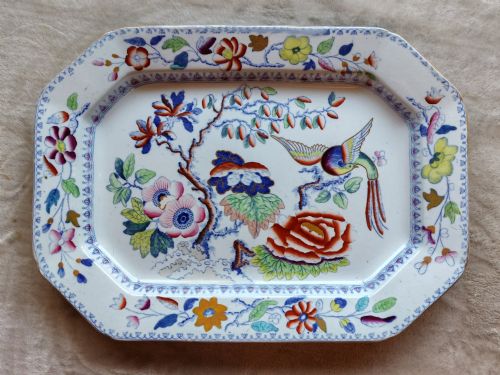
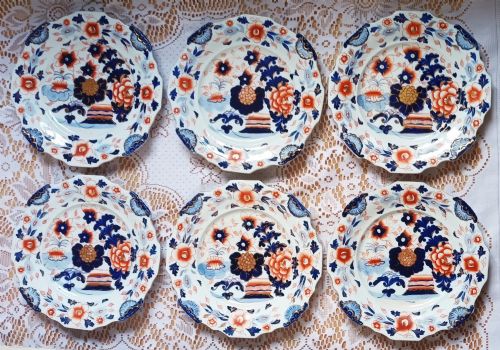
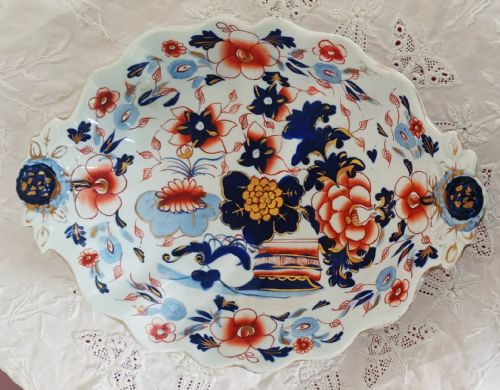
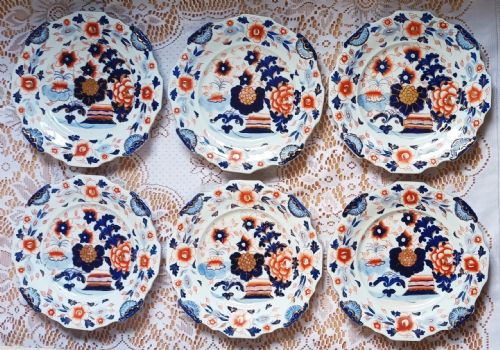
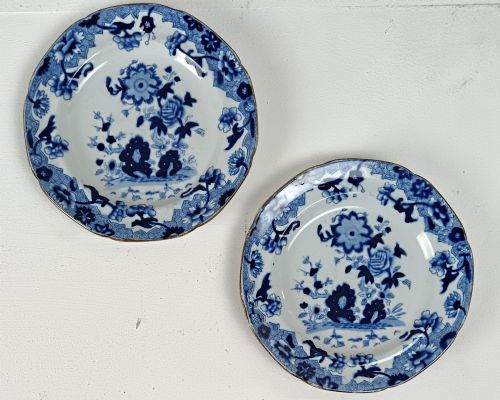
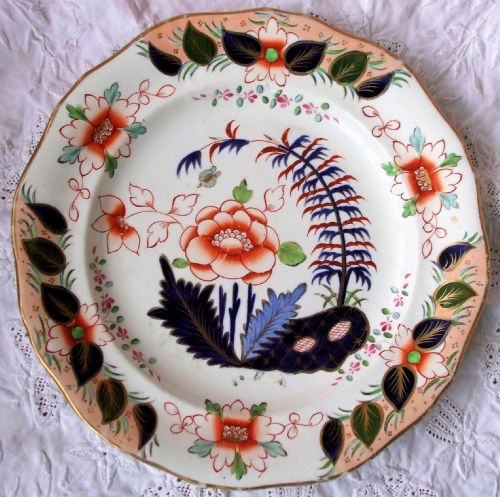
The versions most commonly met on this page include sets of patterned dinnerware and individual platters bearing names such as Japan, Imari, and Blue Pheasants. Makers such as Spode, John Davenport, and Mason's dominate the forms seen.
The forms range from small tea plates to large country house platters and complete dessert services. Each piece reflects the robust ceramic body developed to withstand heavy household use while retaining decorative painted or printed details.
How they were made
Potters shaped these objects using dense ironstone china and earthenware bodies, which were glazed and fired to create a durable surface. Enamel colours and gold leaf accents were applied over or under the glaze to form intricate designs.
Decoration relied on transfer printing combined with hand painting, particularly in styles like Regency Imari and Regency Chinoiserie. Gilding was added to highlights and borders on many plates and dessert services.
Georgian Ironstone Plates Retail Price Guide 2026
Typical asking prices for georgian ironstone plates among the pieces listed under this phrase on Sellingantiques today, from the lower quarter to the upper quarter. They describe what is for sale here now, not the wider market.
Some drainage plates still carry the faint ghost of a Sunday roast from two centuries ago.
What varies in quality
Quality rests in the crispness of the transfer print and the precision of the hand-painted enamel colours. Finer examples display meticulous brushwork and rich gilding that remain bright against the ironstone body.
The sophistication of the pattern, such as complex Japan or Imari designs, dictates the distinction between standard utilitarian wares and high-status service pieces. The reputation of the maker, including Mason's or Spode, also shapes the standing of each piece.
Spode·John Davenport of Longport·Mason's
The Georgian Ironstone Plates Glossary
- Ironstone
- A dense, durable type of earthenware patented in the nineteenth century to rival imported Chinese porcelain. It provides a heavy, strong body suitable for everyday dinnerware.
- Imari
- A decorative style inspired by Japanese export porcelain, featuring a palette of cobalt blue, iron red, and gold leaf. It appears frequently on Regency and Georgian plates.
- Comport
- A raised dish or bowl used for serving fruit or sweetmeats as part of a dessert service. These pieces sit on a footed base above the table surface.
- Platter drainer
- A perforated ceramic insert placed inside a serving platter to catch juices beneath meat dishes. They are often decorated with matching transfer-printed patterns.
- New Stone
- A specific trade term used by Spode for their variant of durable ironstone china. It denotes a hard ceramic body produced during the early nineteenth century.
Georgian Ironstone Plates: Frequently Asked Questions
Can I use these plates for daily dining?
These ironstone plates were originally built for heavy household use and possess a strong ceramic body. However, many buyers choose to display them or reserve them for special occasions due to their age and delicate hand-painted enamel details.
Hand washing is strongly advised for all pieces featuring gold leaf or overglaze enamel decoration to preserve the surface finish over time.
How do I identify a Georgian ironstone plate?
Identification relies on examining the weight of the ironstone body, the style of the printed or painted pattern, and any maker marks on the underside. Common patterns include Japan, Imari, and Chinoiserie designs typical of the early nineteenth century.
Comparing the decorative motifs with known works by makers like Mason's or Spode helps confirm the period and origin.
What is the difference between ironstone and porcelain?
Ironstone is a heavy, opaque earthenware ceramic developed to be much stronger and cheaper than true porcelain. It offers high durability while mimicking the refined appearance of imported oriental wares.
Porcelain is a vitrified, translucent material, whereas ironstone remains solid, thick, and completely opaque even in thinner sections.
How should I display my ironstone plates?
Plates and platters can be shown on sturdy wall hangers, displayed on plate racks, or arranged within a cabinet. Larger platters and comports make strong focal points on sideboards or dining tables.
Ensuring stable supports is essential given the substantial weight of genuine nineteenth-century ironstone bodies.