






Georgian Ice Buckets
Georgian ice buckets are drinking vessels designed to chill wine at the dining table, crafted from mahogany, metal and ceramic.
Georgian Ice Buckets
When searching for georgian ice buckets, collectors encounter wooden vessels, metal coolers and ceramic ice pails dating from the eighteenth and early nineteenth centuries. These items served a practical purpose during formal dining, holding ice or cold water to keep wine and champagne bottles at the correct temperature.
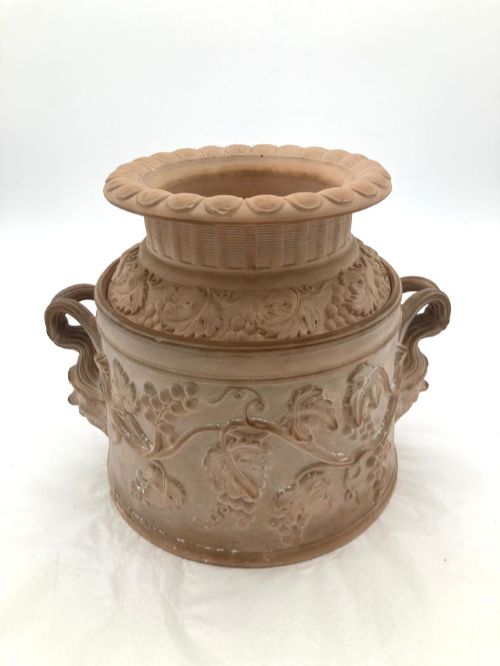
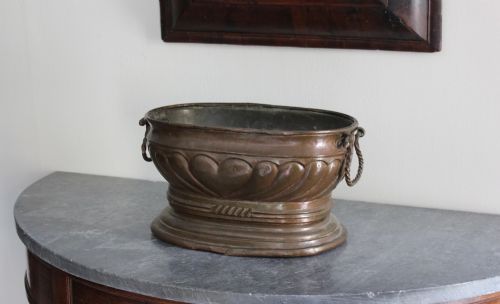
The pieces appearing on this page span the Georgian, Regency and early nineteenth-century periods, alongside later twentieth-century interpretations. Wooden examples frequently take the form of stave-built mahogany buckets with brass bands, while metal variations utilise Old Sheffield plate and copper.
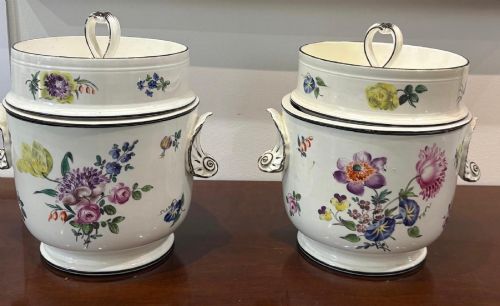
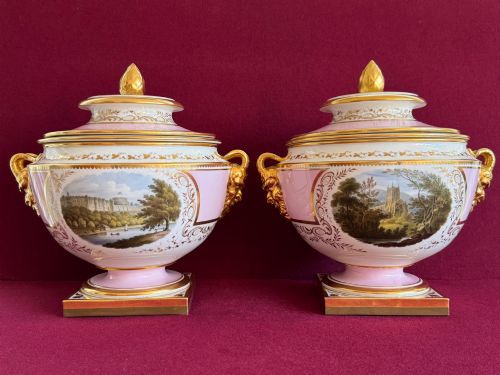
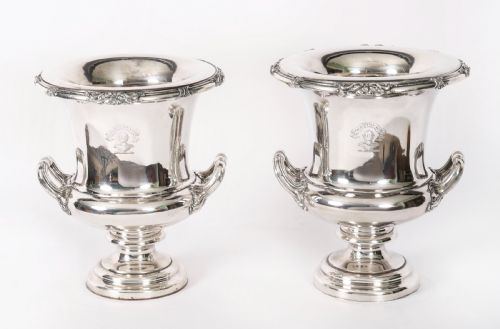
Ceramic forms also emerge within this category, including porcelain ice pails from factories such as Worcester alongside earthenware vessels. Buyers frequently meet pairs of campana-shaped metal coolers or substantial wooden buckets designed to stand beneath the sideboard.
Materials and construction
Makers constructed wooden wine coolers using cooperage techniques, binding curved mahogany staves with brass hoops and adding swing handles or side liners. Metal examples combined copper or base metals fused with thin sheets of silver in Old Sheffield plate, often shaped into campana urns with cast handles.
Ceramic ice pails involved throwing or moulding clay, followed by glazing and hand-painting with polychrome patterns or gilding. Stoneware and terracotta versions utilised specialised kilns to achieve durable bodies suitable for holding ice and liquid.
Georgian Ice Buckets Retail Price Guide 2026
Typical asking prices for georgian ice buckets among the pieces listed under this phrase on Sellingantiques today, from the lower quarter to the upper quarter. They describe what is for sale here now, not the wider market.
Listings feature items spanning the eighteenth century through the nineteenth century, incorporating materials like mahogany, brass, copper, porcelain, and Old Sheffield plate.
Judging quality in coolers
Quality rests upon the crispness of the casting in metal coolers and the precision of the cooperage in wooden stave buckets. Superior pieces display harmonious proportions, authentic period mounts, and well-preserved silver surfaces without excessive base metal bleed.
Ceramic versions reveal their standard through the fineness of the porcelain paste, the delicacy of the hand-painted enamel details, and the intact retention of original liners or covers. Master craftsmanship appears in the seamless integration of handles and the structural integrity of the vessel body.
Flight Barr And Barr·Chamberlain Worcester·Matthew Boulton Co·Adams
The Georgian Ice Buckets Glossary
- Campana
- A bell-shaped vessel form commonly utilised for Regency metal wine coolers and urns. This classical silhouette derives from ancient Roman pottery.
- Old Sheffield Plate
- A composite material formed by fusing a thin sheet of silver to a thicker copper base before rolling. This technique preceded modern electroplating and leaves characteristic copper edges.
- Monteith
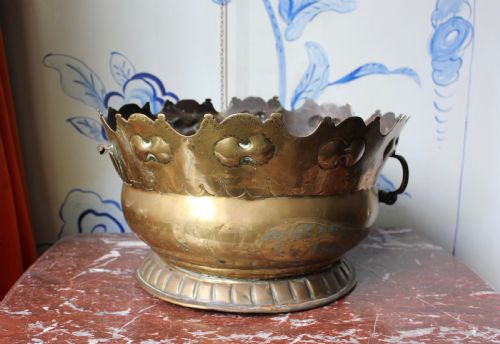
- An antique metal bowl featuring a scalloped rim designed to hold wine glasses by their bases. These vessels often double as coolers in tavern and dining settings.
- Stave
- One of the narrow vertical strips of wood fitted together to form the cylindrical body of a bucket or wine cooler. Coopers shaped each piece to ensure a watertight seal.
- Cellarette
- A large freestanding wooden container used for storing wine bottles near the dining table. These pieces often incorporate internal dividers and lockable lids.
Georgian Ice Buckets: Frequently Asked Questions
How were georgian ice buckets used?
These vessels stood beside or beneath the dining table, filled with ice or snow to chill wine bottles before serving. Servants transferred bottles from storage to the cooler during formal meals.
Wooden bucket variations often held larger quantities of ice for multiple bottles, while ceramic ice pails sat directly on the table or sideboard holding individual bottles and serving as decorative centerpieces.
What materials are most common?
Mahogany combined with brass banding forms the primary material for wooden coolers and oyster buckets. Metal versions rely heavily on Old Sheffield plate, copper, and brass.
Ceramic examples appear less frequently but include porcelain, creamware, stoneware, and terracotta produced by English potteries during the late eighteenth and early nineteenth centuries.
How do I date a wine cooler?
Dating relies upon stylistic markers such as the classical campana shape of the Regency period versus the simpler stave construction of earlier eighteenth-century mahogany buckets. Metal plating techniques also indicate age, distinguishing Old Sheffield plate from later nineteenth-century electroplate.
Maker marks on porcelain ice pails or engraved coats of arms on metal coolers provide further chronological evidence for specific manufacturing decades.
Are these items watertight?
Many surviving wooden buckets retain internal metal liners designed to hold ice and water without damaging the surrounding mahogany staves. However, wood shrinks over time, meaning unlined coopered vessels may require testing before holding liquid.
Metal and ceramic coolers generally maintain their integrity for holding water and ice, though historical wear should be assessed prior to active use.