

Georgian Green Armchair
A georgian green armchair brings substance to a room, offering sturdy wood frames and rich leather or velvet upholstery.
Georgian Green Armchair
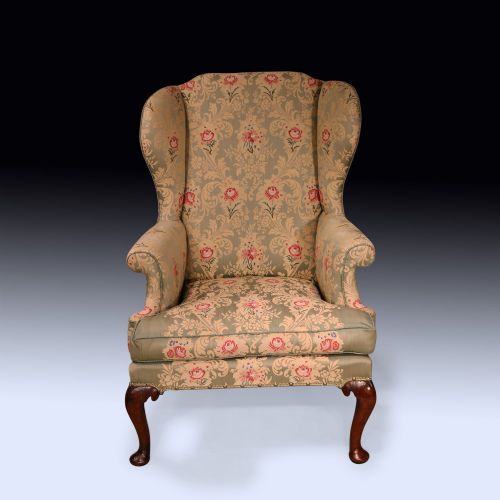
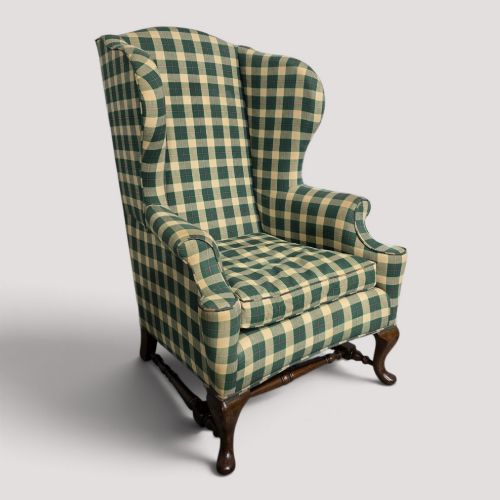
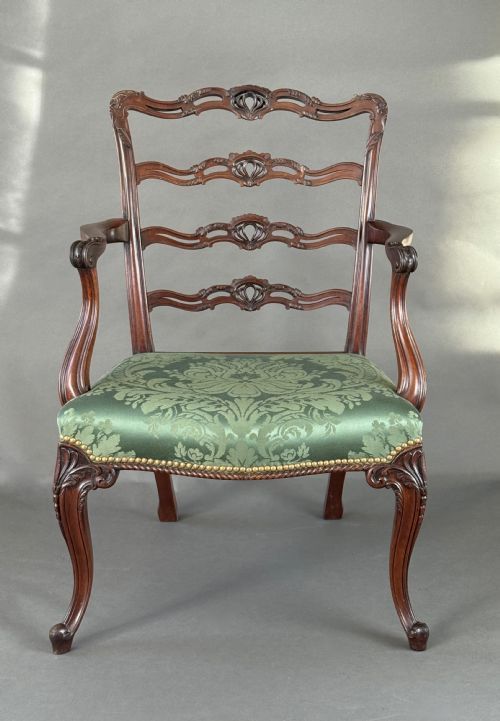
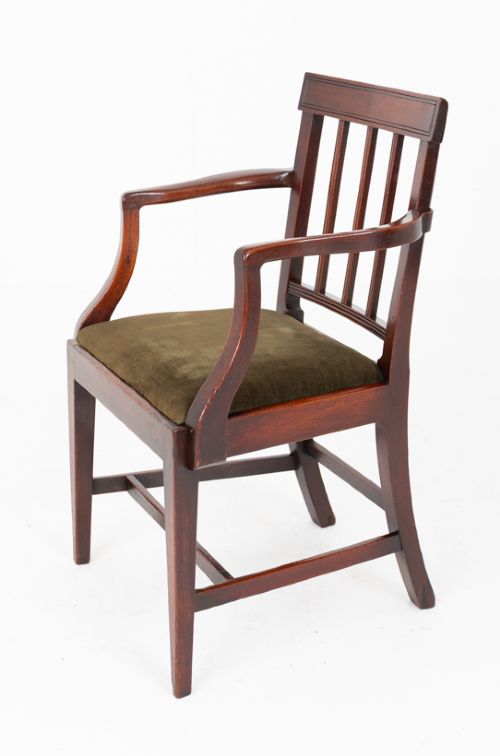
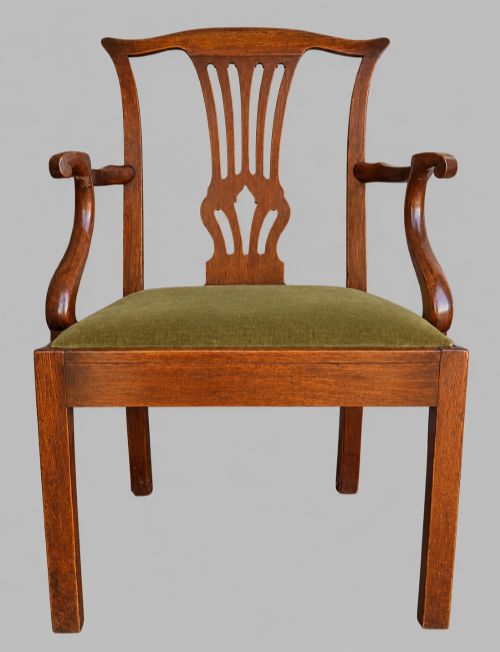
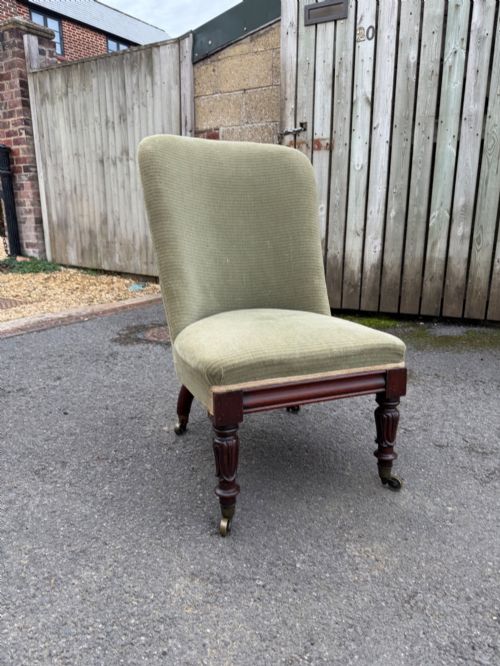
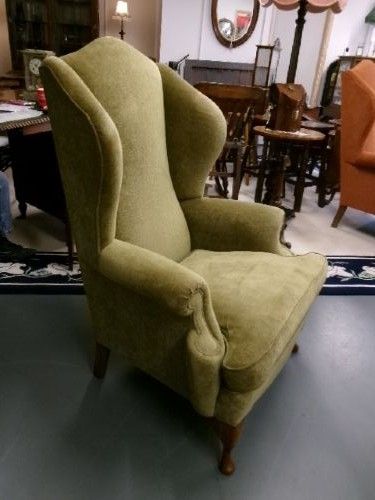
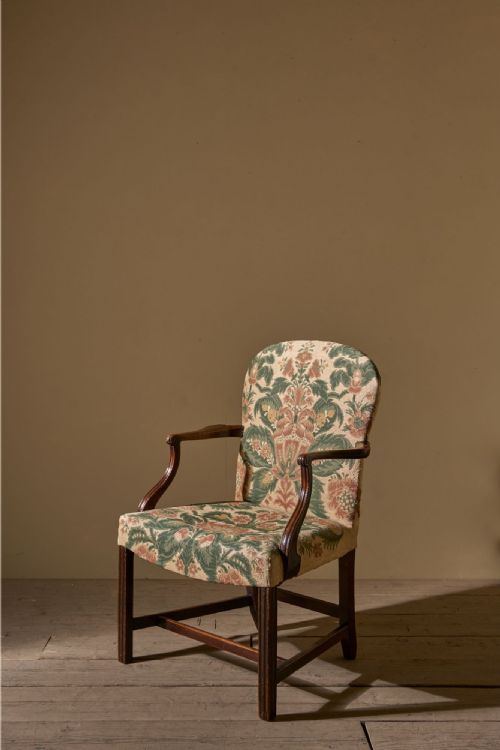
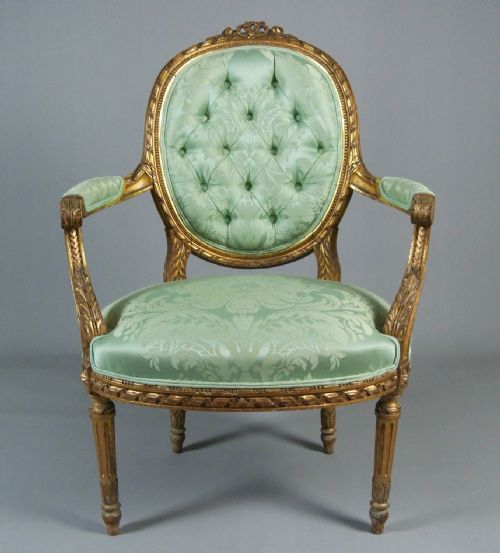
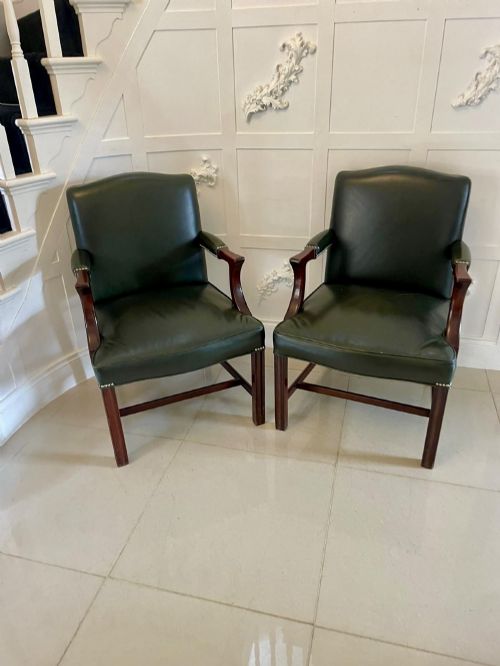
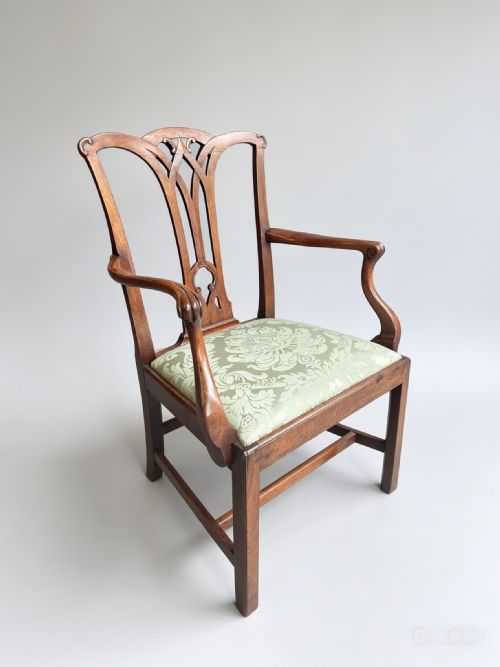
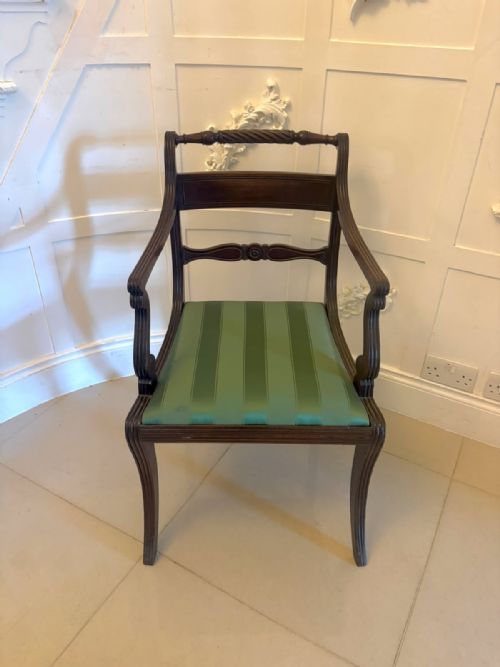
When you search for a georgian green armchair, you are looking at seating rooted in the eighteenth and early nineteenth centuries, often realised in revival periods. The listings show forms ranging from library chairs and desk chairs to wing backs upholstered in green leather, velvet, or fabric. These pieces combine wooden frames with upholstered seats and backs designed for domestic or study use.
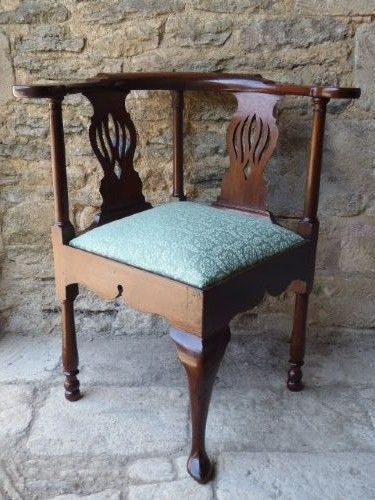
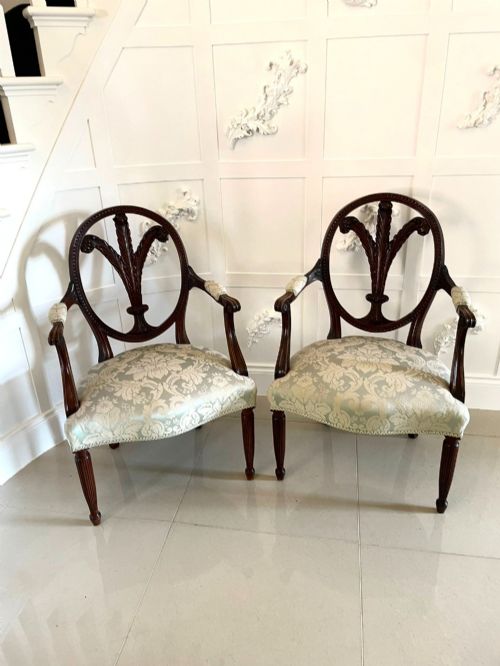
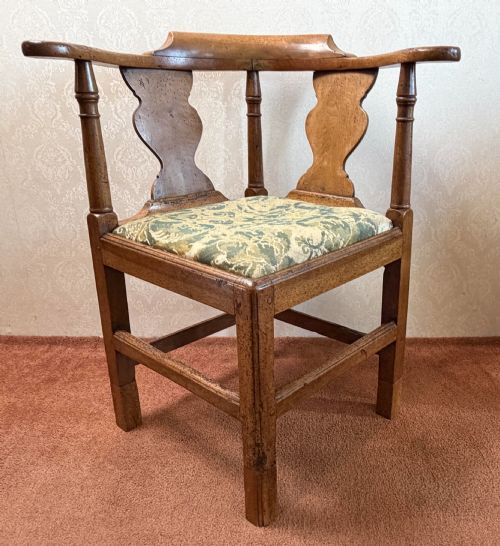
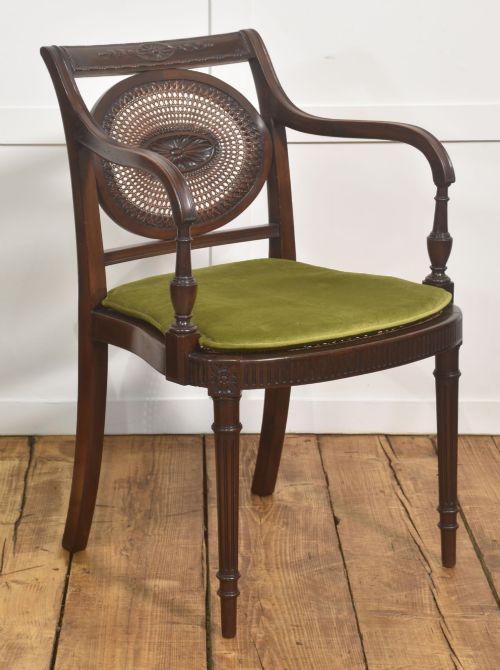
You are most likely to meet mahogany or walnut frames alongside green leather or fabric upholstery, spanning original Georgian eras through to twentieth century revivals. The selection includes library armchairs, Gainsborough chairs, and corner chairs that reflect Chippendale, Hepplewhite, and Regency design influences. The green upholstery appears in varied tones across original pieces and later revival iterations.
How they were made
Makers constructed these chairs primarily using mahogany and walnut for the structural timber frames, sometimes incorporating satinwood, rosewood, or brass details. Woodworkers shaped cabriole legs, straight rails, and carved arm supports using traditional joinery techniques.
Upholstery involved securing leather, velvet, tapestry fabric, or needlepoint over internal webbing and padding. Craftsmen used brass tacks to finish the edges of leather desk and library chairs.
Georgian Green Armchair Retail Price Guide 2026
Typical asking prices for georgian green armchair among the pieces listed under this phrase on Sellingantiques today, from the lower quarter to the upper quarter. They describe what is for sale here now, not the wider market.
The documented periods span original eighteenth century pieces through to early twentieth century George II and Chippendale revivals.
What varies in quality
The degree of hand-carved detail on the mahogany or walnut frame separates standard production from finer examples. Crisp lines on cabriole legs, arm terminals, and back splats indicate skilled workshop execution.
The selection of covering material and the precision of the upholstery work define the finish. High quality pieces utilise substantial leather or textured velvet fitted tightly to the frame.
Thomas Chippendale
The Georgian Green Armchair Glossary
- Gainsborough chair
- An upholstered armchair with an open-padded arm design, short legs, and a wide seat, commonly used at a desk or in a library.
- Wing back armchair
- A high backed chair featuring upholstered side panels designed to shield the sitter from draughts.
- Cabriole leg
- A furniture leg that curves out at the knee and tapers inward to an ankle, often ending in a pad or claw foot.
- Corner chair
- A square seat set diagonally with a back rail wrapping around the corner, frequently built in walnut or mahogany.
- Bergère
- An enclosed upholstered armchair with exposed wooden framing and cane panels on the sides or back.
Georgian Green Armchair: Frequently Asked Questions
What is a Gainsborough armchair?
A Gainsborough chair is a wide upholstered desk or library armchair with open padded arms and short legs. Makers built them in mahogany and walnut during the eighteenth century and subsequent revival periods.
These chairs suit placement beside a partner desk or in a study. Their open arm design allows comfortable seating while working.
How do I identify a Georgian chair?
You identify a Georgian chair by examining the timber, construction methods, and stylistic details such as cabriole legs or carved splats. Original pieces date from the reigns of the Georges between 1714 and 1830.
Revival pieces from the twentieth century often copy these proportions using older woods. Look closely at the joinery and wear patterns to distinguish age.
Were these chairs used at desks?
Many library and desk chairs from this era were built specifically for writing and reading. They feature padded seats and supportive armrests suited for study environments.
Green leather upholstery was a common choice for office and library seating. This surface provided durability for daily use.
How do I care for leather upholstery?
Leather upholstery requires occasional conditioning to maintain its flexibility and colour. Keep these chairs away from direct sunlight and heat sources to prevent drying.
Dust the surface regularly with a dry cloth. Avoid harsh chemical cleaners that can damage the antique finish.