

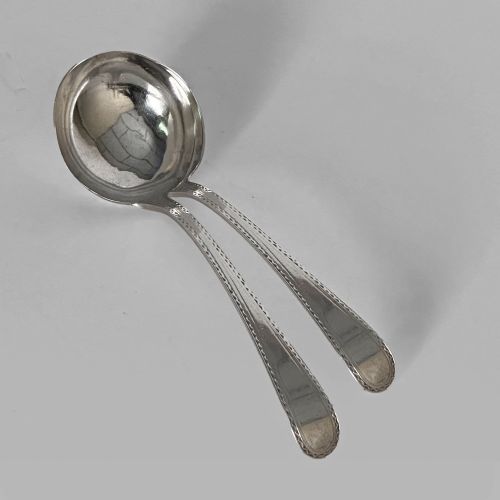
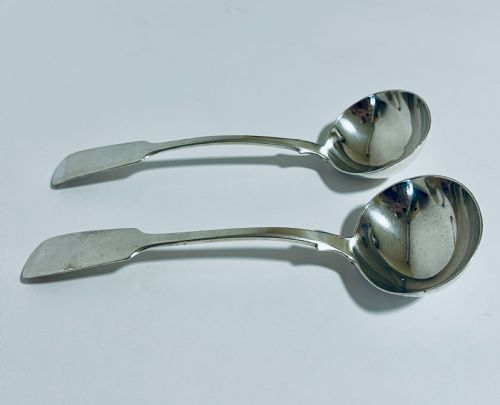


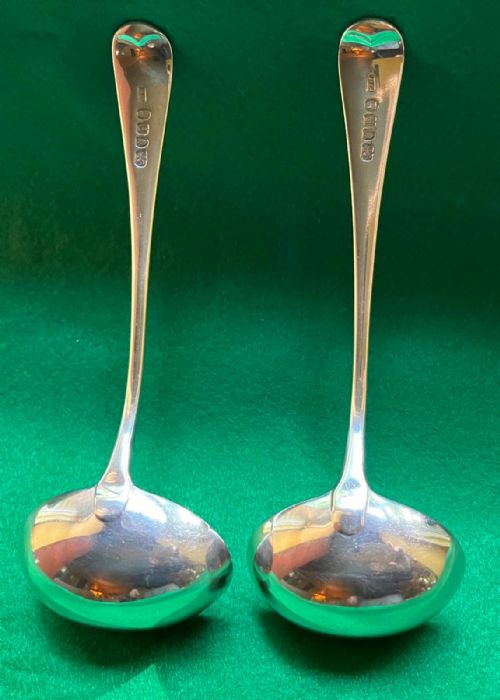

Georgian Gravy Spoon
A georgian gravy spoon brings the heavy silver and pewter serving utensils of the eighteenth and nineteenth centuries straight to the table.
Georgian Gravy Spoon
When you search for a georgian gravy spoon, you are looking at serving utensils, ladles, and straining spoons produced across the eighteenth and nineteenth centuries. These pieces encompass sterling silver and pewter items designed for service at the dining table, including paired sets and cased objects.
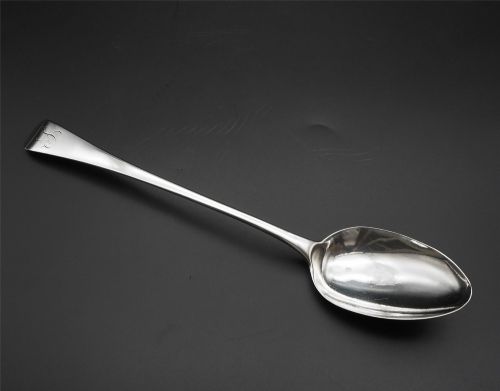
The versions you are most likely to meet on this page date from the Georgian era, with specific examples recorded from seventeen fifty onwards. Makers utilised traditional patterns such as Onslow and Old English across English, Irish, and York workshops.
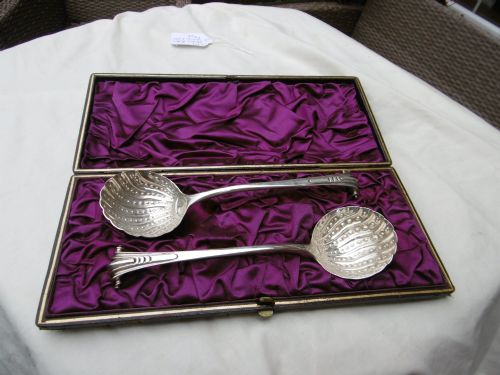
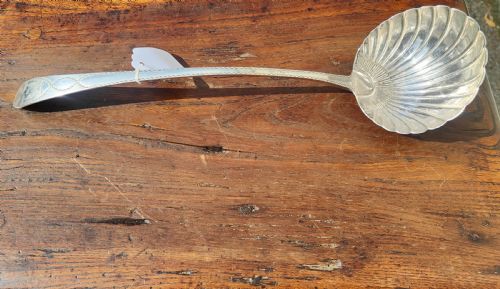
The selection ranges from large heavy basting spoons to smaller sauce ladles. Many survive in pairs, and some retain fitted cases lined with silk, velvet, fabric, or leatherette.
How they were made
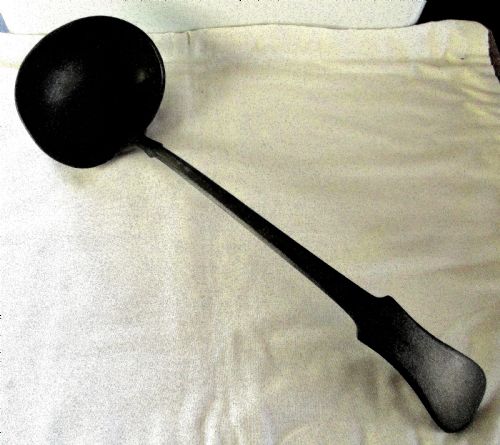
Makers shaped these utensils primarily from sterling silver and pewter using traditional metalworking techniques. Silver examples carry hallmarks indicating provincial or city assay offices, whilst pewter versions utilise durable metal alloys.
Handles and bowls were formed with distinct patterns, such as the Onslow or Old English designs seen on eighteenth-century pieces. Specialised forms, including straining spoons, incorporate pierced bowls designed to separate liquids from solids during service.
Georgian Gravy Spoon Retail Price Guide 2026
Typical asking prices for georgian gravy spoon among the pieces listed under this phrase on Sellingantiques today, from the lower quarter to the upper quarter. They describe what is for sale here now, not the wider market.
Some eighteenth-century spoons travelled so well they kept their original velvet and leatherette beds for over two hundred years.
What varies in quality
The standard of a georgian gravy spoon depends on the weight of the metal and the crispness of the original hallmarks and pattern details. Thicker gauge silver and well-defined maker marks indicate superior production.
Survival of original elements, such as fitted velvet or silk-lined cases for paired ladles, elevates the piece. The distinction lies in the maker's execution, from standard pewter utilitarian ware to finely wrought Dublin or London silver.
William Fearn·Dixon and Son·Hester Bateman·John Locker
The Georgian Gravy Spoon Glossary
- Hallmark
- Official stamps struck on precious metals to guarantee purity and origin. These marks identify the assay office, maker, and year of production.
- Basting spoon
- A large serving spoon used in the kitchen or at the table for pouring juices over meat. These objects typically measure longer than standard table spoons.
- Straining spoon
- A specialised spoon featuring a perforated bowl or divider. This design allows gravy or sauce to pass through while retaining solid ingredients.
- Old English pattern
- A traditional eighteenth-century spoon handle design featuring a downward-turned end. It remains one of the most common styles encountered on silver flatware.
Georgian Gravy Spoon: Frequently Asked Questions
What is a georgian gravy spoon used for?
These utensils were designed for serving sauces, gravies, and juices at the dining table during the eighteenth and nineteenth centuries.
Larger basting spoons handled substantial joints of meat, whilst smaller sauce ladles served individual boats and tureens.
How do I identify a Georgian silver spoon?
Look for British hallmarks stamped directly onto the metal, which indicate the date letter, sterling standard, and the maker's mark.
Stylistic cues such as Old English or Onslow patterns and specific construction methods also point to the period.
Why do some spoons have holes in the bowl?
Perforated bowls identify straining spoons, which were engineered to separate solid ingredients from juices before serving.
This functional variation allowed diners to ladle clear gravy without transferring herbs or pieces of meat.