



Georgian Gold Tobacco Box
A georgian gold tobacco box is a pocket-sized marvel of metalwork and shell, made to hold dry leaf and meant to be shown off.
Georgian Gold Tobacco Box
When you search for a georgian gold tobacco box, you encounter small receptacles shaped for the pocket or table, though the listings here encompass tortoiseshell, silver gilt, and horn alongside solid gold. Most examples span the late eighteenth and early nineteenth centuries, often taking the form of snuff boxes or table boxes designed for finely cut tobacco. The pieces hail from British and continental workshops, showing periods from George III through to George IV.
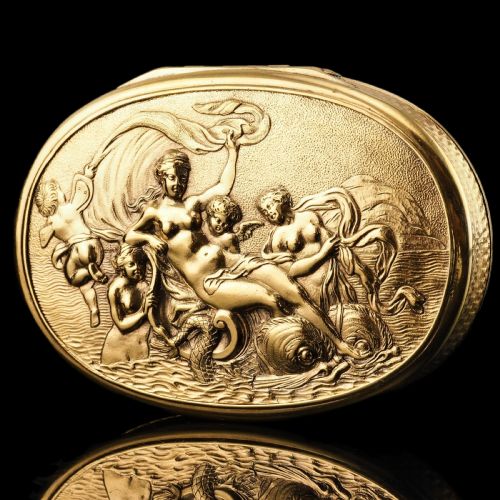
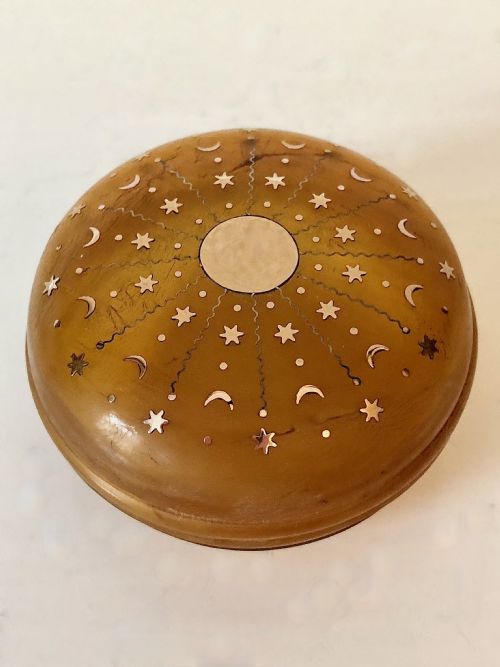
The objects on this page lean heavily towards snuff boxes and larger table boxes decorated with classical motifs, pastoral scenes, or intricate pique inlay. While some are rendered in solid eighteen-carat gold, others combine precious metal with agate, horn, or tortoiseshell to create striking contrasts in texture and colour. Collectors find both unassuming pocket pieces and presentation items bearing hallmarks from London makers.
How they were made
Makers utilised solid gold, silver-gilt, and vermeil alongside organic materials like tortoiseshell, horn, and agate to construct these containers. Metal sections were cast, chased, engraved, or formed into book shapes and oval profiles, requiring steady hands and specialised miniature tools. Pique work involved laying tiny gold pins or strips into softened tortoiseshell to form geometric or floral patterns.
Surface decoration frequently relied on repoussé work, engine-turning, and hand-painting beneath protective layers. Hinges and lids were engineered to close with a precise snap, sealing the contents against moisture and air. Goldsmiths applied hallmarks to precious metal pieces to denote purity and origin.
Georgian Gold Tobacco Box Retail Price Guide 2026
Typical asking prices for georgian gold tobacco box among the pieces listed under this phrase on Sellingantiques today, from the lower quarter to the upper quarter. They describe what is for sale here now, not the wider market.
Object types recorded here include both pocket-sized snuff boxes and heavier table boxes featuring Rococo and Neoclassical styles.
What varies in quality
The calibre of a georgian gold tobacco box rests on the crispness of its chased ornament and the tightness of its lid closure. Pieces featuring detailed hand-painted scenes or complex gold pique inlay demand superior craftsmanship compared to plain surfaces. The thickness of the gold gauge and the integrity of the hinges dictate how well a piece survives heavy handling.
Provenance and maker attribution elevate certain items above standard production work. Boxes associated with named goldsmiths or royal presentation inscriptions carry distinct archival weight. Material combinations, such as the pairing of translucent agate with eighteen-carat gold, also separate ambitious commissions from everyday pocket wares.
Alexander James Strachan·Charles Rawlings·Edward Farrell
The Georgian Gold Tobacco Box Glossary
- Silver-gilt
- Silver that has been coated with a thin layer of gold on its surface. This technique provided the rich appearance of solid gold at a lower cost.
- Pique
- A decorative technique where tiny gold or silver pins and strips are embedded into tortoiseshell or horn. Artisans created intricate motifs by pressing the metal into the warmed organic material.
- Vermeil
- Sterling silver plated with gold of a specified fineness. It offers a warm golden lustre while utilising a silver base.
- Repoussé
- A metalworking method where an artisan hammers a design from the reverse side to form a raised relief on the front. This creates deep, tactile surface decoration on boxes and panels.
- Table snuff box
- A larger container designed to sit permanently on a parlour or dining table rather than fit into a waistcoat pocket. These pieces often feature elaborate pictorial scenes on their lids.
Georgian Gold Tobacco Box: Frequently Asked Questions
How were these boxes used?
Owners used them to store dry tobacco leaves or powdered snuff for daily consumption. The tight-fitting lids kept the contents fresh and prevented spills in the pocket.
Opening one was a social ritual during polite gatherings, allowing the owner to display fine craftsmanship to peers. They served as both practical accessories and conversation pieces.
How do I tell periods apart?
Period identification relies on stylistic cues, hallmarks, and material trends recorded on the piece. Earlier eighteenth-century items often show Rococo motifs, while the Regency period brought cleaner Neoclassical lines.
London hallmarks stamped on the metal provide precise assay years for many precious metal boxes. Comparing the hinge construction and decorative technique helps narrow down the decade of manufacture.
Can I use it today?
These boxes can be used to hold small modern items, though many collectors prefer to display them safely. The delicate hinges and fine gold surfaces require gentle handling to prevent wear.
Keeping them in a stable environment protects organic materials like tortoiseshell and horn from cracking. They make elegant desktop accessories for storing contemporary keepsakes.