

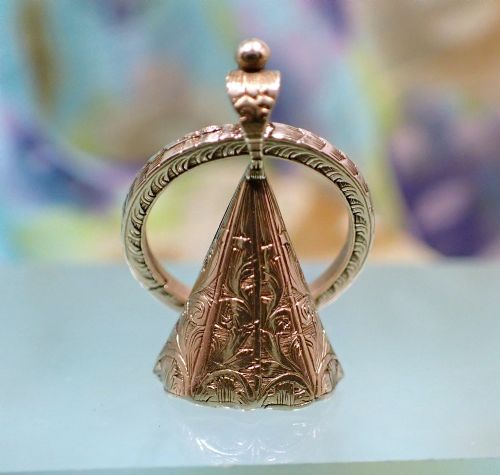
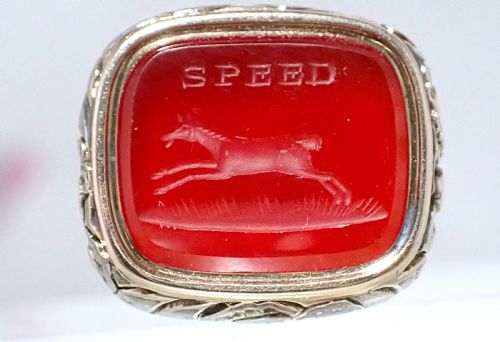


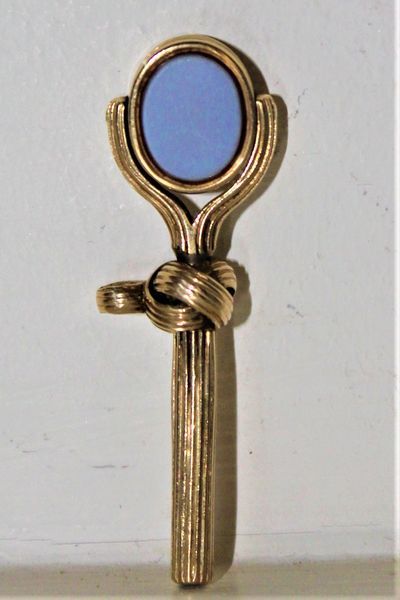

Georgian Gold Fob Pendant
These georgian gold fob pendant pieces are miniature masterpieces of personal stationery and design, prized for their intricate intaglios and rich gold mountings.
Georgian Gold Fob Pendant
When you search for georgian gold fob pendant examples, you encounter wearable seals and charms originally designed to hang from pocket watch chains. The selections here include swivel pendants, watch keys, and mourning lockets that span several eras.
Most items combine a precious metal mount with a carved hardstone base used historically for stamping wax signatures. These functional objects transitioned into decorative jewellery as pocket watches became less common.
How they were made
Goldsmiths shaped mounts from yellow gold, nine carat gold, fifteen carat gold, or gilt metal, often decorating the frames with ornate chased details. Stones like carnelian, bloodstone, chalcedony, and rock crystal were then hand-carved with intaglios, portraits, or mottoes.
Some pieces incorporate swivel mechanisms allowing the stone to rotate between two faces, while others integrate enamel work or incorporate matching split rings for attachment to a chain.
Listings include gold, gilt metal, carnelian, bloodstone, chalcedony, and rock crystal across Georgian and Victorian periods.
What varies in quality
The fineness of the gold mounting sets the baseline, ranging from solid higher carat gold down to gilt metal and gold cased alternatives. Heavier mountings with elaborate ornamentation typically reflect higher workshop standards.
The depth and clarity of the stone carving dictate the artistic merit. Crisp intaglios depicting figures, animals, or lettering demand superior craftsmanship compared to plain polished stones.
The Georgian Gold Fob Pendant Glossary
- Intaglio
- A design carved into the surface of a stone so that a impression stamped in sealing wax produces a raised relief. This technique was essential for creating functional personal seals.
- Fob seal
- A small pendant featuring a hardstone base engraved with initials, a crest, or a motto. They hung from watch ribbons or chains.
- Watch key
- A small mechanical key used to wind pocket watches, frequently combined with a seal on the same pendant. These double as decorative charms.
- Carnelian
- A brownish-red variety of chalcedony quartz commonly used for intaglio seals. It provides a striking contrast against yellow gold mountings.
- Swivel pendant
- A mounting that allows the central seal or stone to rotate on an axis. This design often presented two different carved faces or a stone on one side and a locket compartment on the other.
Georgian Gold Fob Pendant: Frequently Asked Questions
What is a georgian gold fob pendant?
A georgian gold fob pendant is a small decorative ornament designed to hang from a pocket watch chain. They frequently double as signet seals featuring hand-carved stones.
Historically, owners used the engraved base to stamp wax seals on correspondence. Today, collectors wear them as pendants on modern chains.
How do I wear a fob pendant today?
You can slip a fob pendant onto a sturdy gold chain to wear it as a necklace pendant. Their compact size makes them versatile for layering with other necklaces.
Alternatively, you can attach them to a traditional pocket watch chain or charm bracelet. The swivel and seal designs provide visual interest from every angle.
What stones are found in these fobs?
Carnelian is the most frequent stone encountered, showing warm reddish-orange tones. Other common hardstones include green bloodstone and pale chalcedony.
Some pieces feature rock crystal, sardonyx, amethyst, or paste glass. Each stone was chosen for its hardness and suitability for detailed carving.
Are all these pieces from the Georgian era?
While the style originates in the Georgian period, the selection includes pieces made during the Victorian era and into the early twentieth century. Makers continued producing these traditional forms long after the Georgian period ended.
Stylistic details and metal hallmarks help distinguish true Georgian work from later Victorian revivals.