



Georgian Gold Charm
Georgian gold charm examples are miniature works of art in gold and stone that bring historic personality to any collection.
Georgian Gold Charm
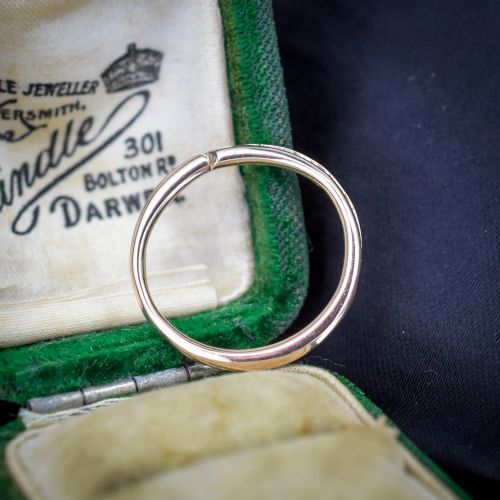
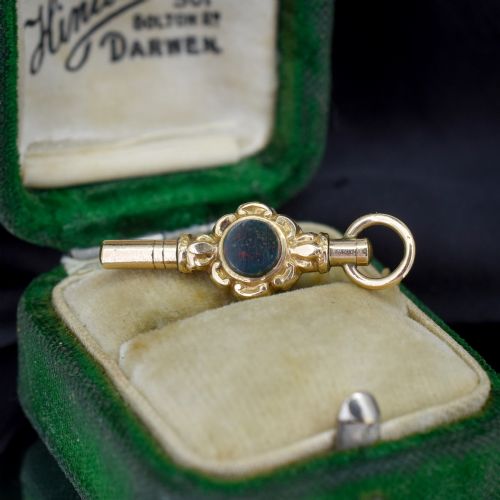
A georgian gold charm encompasses miniature items designed to be suspended from watch chains, fobs, and neck chains, including seals, keys, and pendants. These pieces capture the fine ornamentation of the eighteenth and nineteenth centuries in wearable miniature forms.
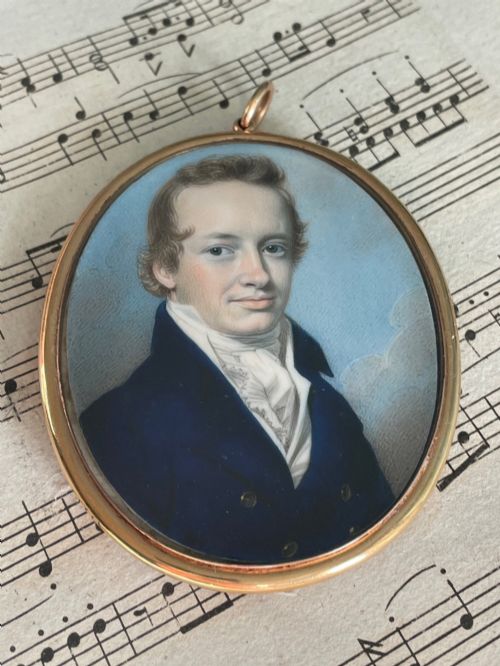
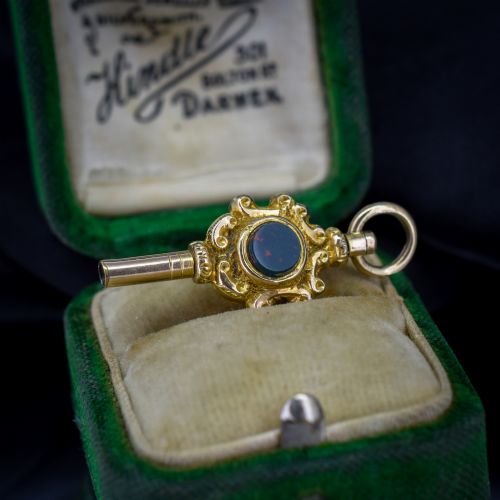
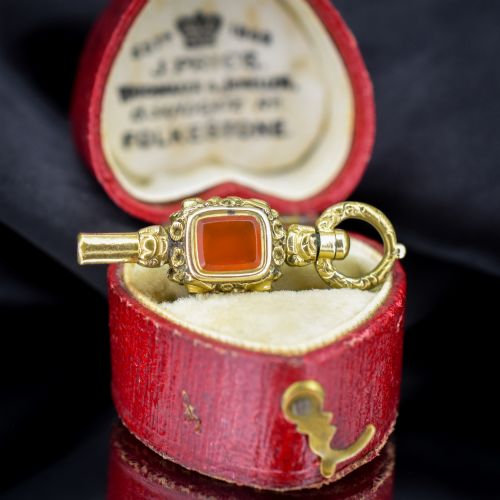
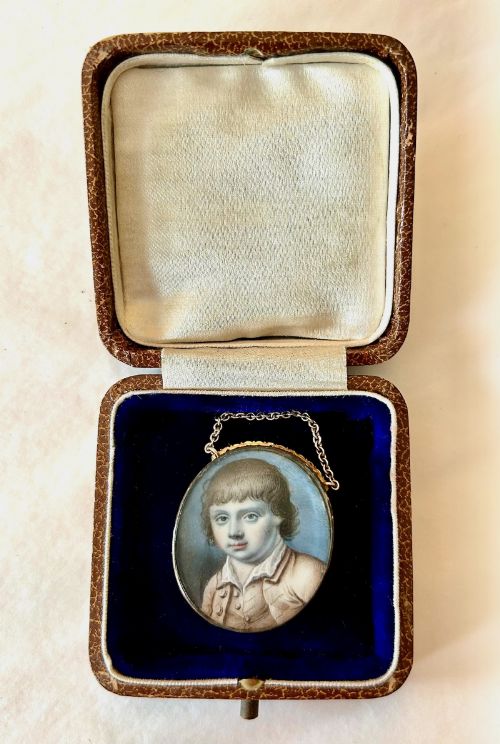
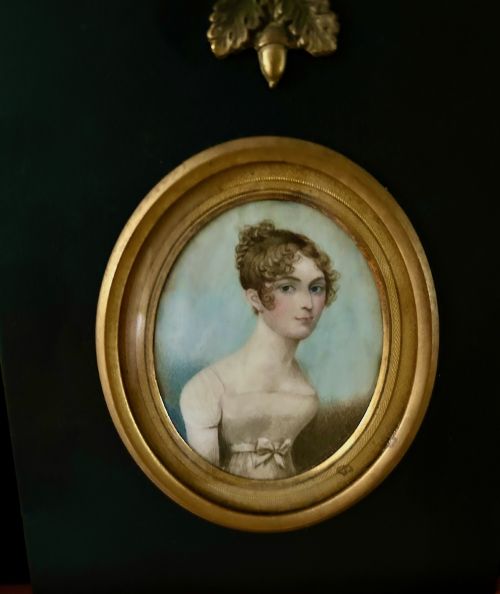
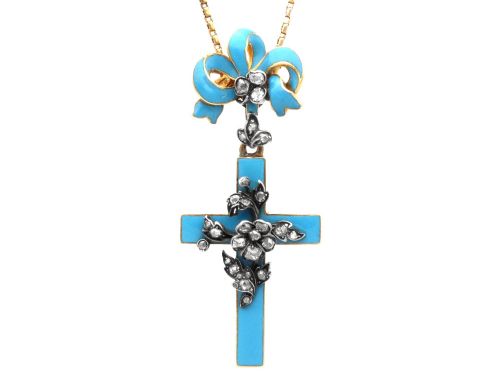
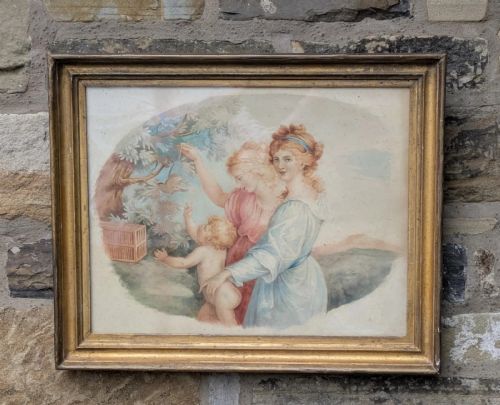
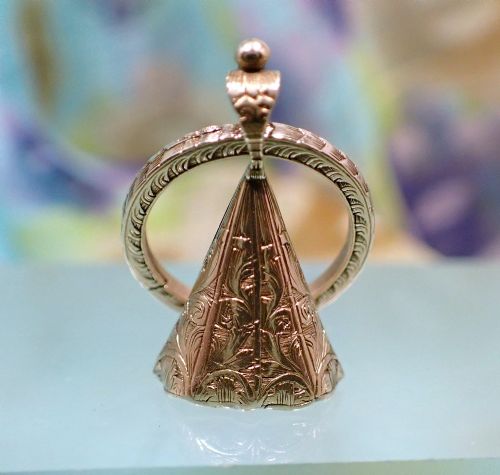
The selections here frequently blend gold with carved hardstones such as carnelian, bloodstone, and sardonyx, alongside delicate enamel and watercolour miniatures. You will encounter swivel fob seals, split rings, and crosses spanning the Georgian and Victorian eras.
How they were made
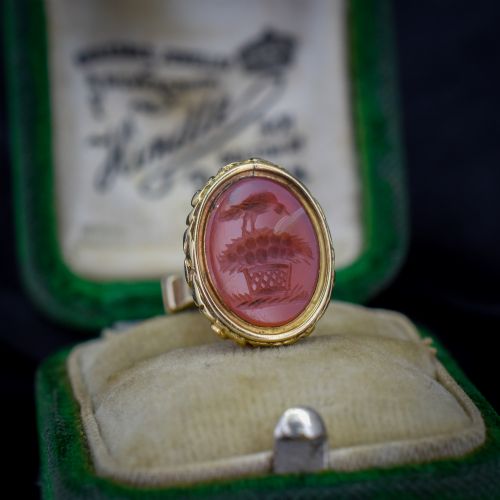
Craftsmen shaped these items using solid gold, gilt metal, and gold casing, often pairing the metalwork with polished semiprecious stones. Intaglio carving required steady precision to incise crests and figures into small expanses of carnelian and chalcedony.
Enamel work and seed pearl settings introduced contrasting colour and texture to gold frames. Hand-painted watercolours were protected beneath glass within miniature pendant settings, showing the era's dedication to detailed portraiture.
Georgian Gold Charm Retail Price Guide 2026
Typical asking prices for georgian gold charm among the pieces listed under this phrase on Sellingantiques today, from the lower quarter to the upper quarter. They describe what is for sale here now, not the wider market.
Some miniature portraits hide locks of braided human hair beneath glass on the reverse, keeping ancestors literally close to heart.
What varies in quality
The crispness of the intaglio engraving dictates the refinement of a seal or fob, with deeply cut figures and clear lettering separating superior work from simpler pieces. Hand-carving in stones like sardonyx and carnelian shows distinct artistic control.
The purity and weight of the metal, from nine carat to higher karat gold, alongside the complexity of decorative chasing on the mounts, define the standing of the piece. Intricate wirework, enamel preservation, and well-executed watercolour miniatures elevate individual items.
Frederick Buck
The Georgian Gold Charm Glossary
- Fob seal
- A small pendant featuring an engraved matrix at the base for stamping wax seals. These were traditionally suspended from pocket watch chains.
- Intaglio
- A design carved into the surface of a gemstone so that an impression in relief is produced when pressed into sealing wax. This technique was favoured for signet rings and watch seals.
- Split ring
- A double-looped ring of metal similar to a modern key ring, used securely to attach pendants and watch keys to chains. They appear frequently in nineteenth-century jewellery.
- Watch key
- A small functional key used to wind pocket watches before the invention of keyless winding mechanisms. Many were decoratively ornamented with stones to double as charms.
- Carnelian
- A brownish-red variety of chalcedony quartz that was extensively carved for seals and fob pendants. Its warm colour made it a popular match for yellow gold.
Georgian Gold Charm: Frequently Asked Questions
How were Georgian gold charms used?
These items were predominantly suspended from chatelaines or pocket watch chains worn by both men and women. They served practical functions as writing seals and watch keys while displaying personal taste and sentiment.
Over time, many transitioned into decorative charms worn on bracelets or necklaces. Their compact scale allowed owners to carry miniature portraits, hair mementos, or family crests close at hand.
What is the difference between a seal and a fob?
A seal specifically refers to the carved stone or metal base used for stamping wax impressions with a crest or initials. The term fob encompasses the entire dangling ornament and the short ribbon or chain attached to a pocket watch.
Many pieces combine both functions as swivel fob seals. These allow the stone section to rotate, displaying either an engraved face or a polished decorative stone.
How do I care for antique gold and stone charms?
Clean these delicate items gently using a soft cloth dampened with warm water, avoiding harsh chemical dips that can damage softer stones like carnelian or turquoise. Store them individually to prevent harder metals and gems from scratching vulnerable enamel or glass surfaces.
Check split rings and suspension loops regularly for wear. Because many older mounts are hollow or finely chased, heavy daily wear should be avoided to preserve their structural integrity.
How can I tell a Georgian piece from a Victorian one?
Georgian pieces often display Neoclassical motifs, closed-back gemstone settings, and hand-chased yellow gold work characteristic of the eighteenth and early nineteenth centuries. Victorian items frequently introduce brighter gemstones, machine stamping, and varied gold purities like nine carat alongside traditional designs.
Stylistic overlap is common during the transition periods, meaning construction techniques and hallmarks must be examined together. Pieces that bridge both eras often retain Georgian silhouettes executed with Victorian manufacturing methods.