
Georgian Gilt Glass Mirror
When you search for a georgian gilt glass mirror, you encounter centuries of craftsmanship spanning wall, pier, and overmantel forms.
Georgian Gilt Glass Mirror
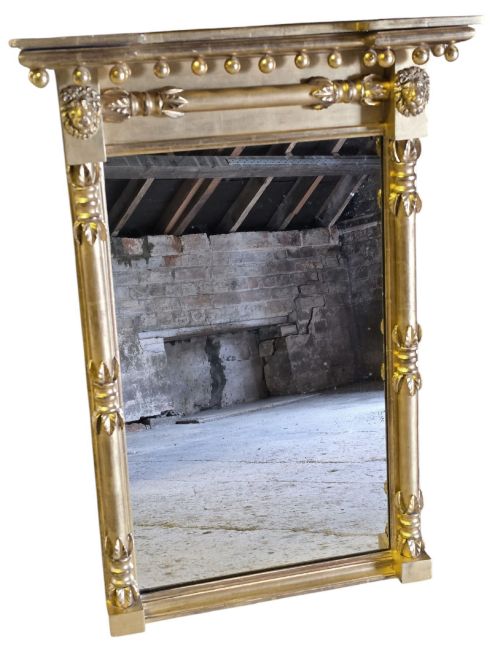
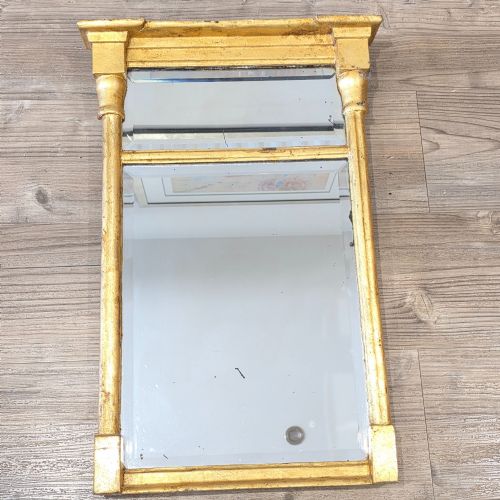
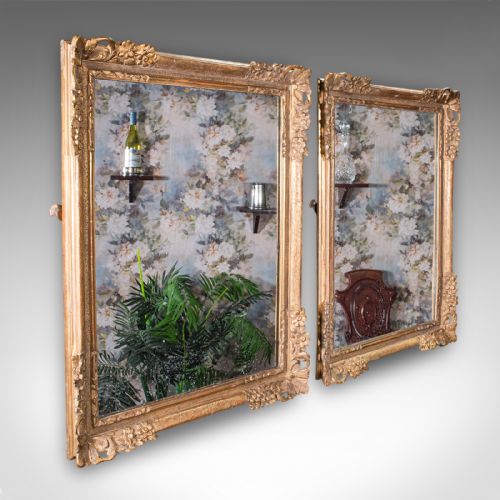
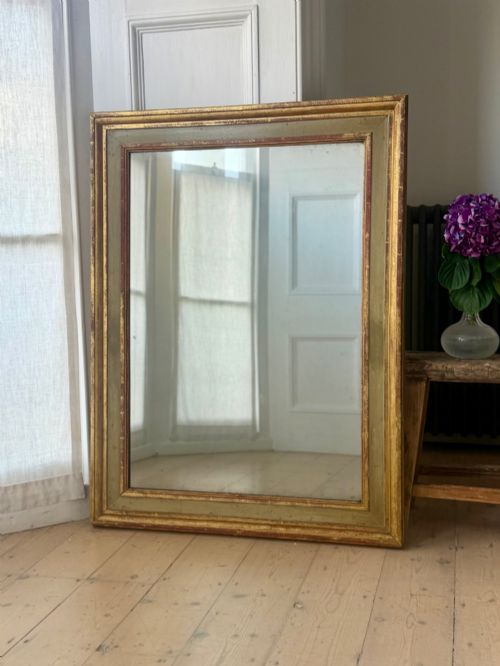
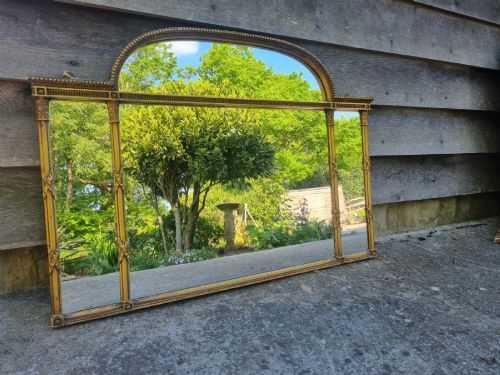
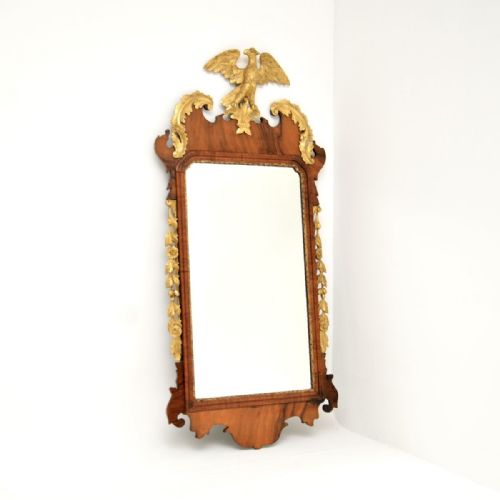
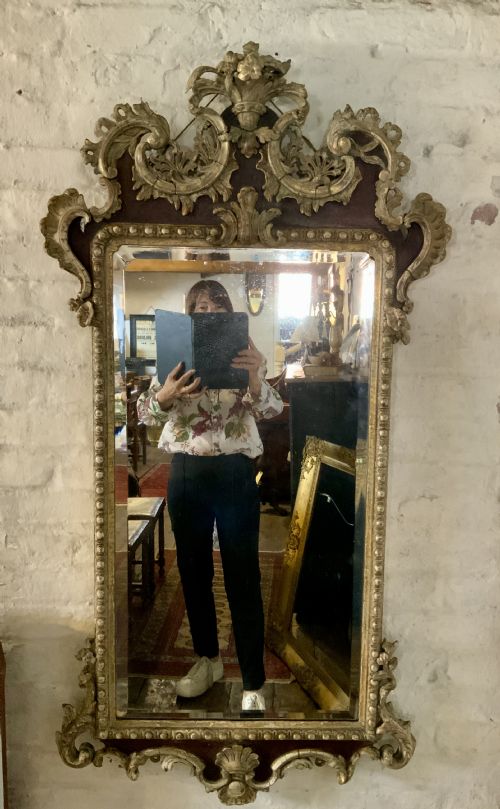
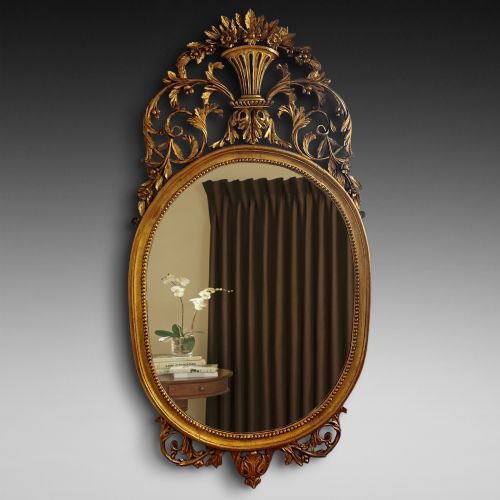
A georgian gilt glass mirror embodies the decorative ambitions of the eighteenth and early nineteenth centuries, surviving in forms designed to command a room. The selection encompasses grand overmantels, tall pier mirrors positioned between windows, and smaller dressing or wall variants.
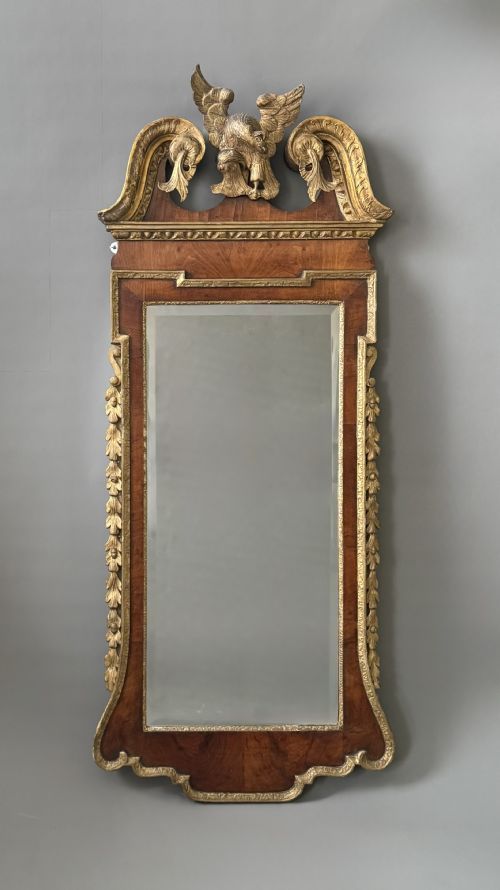
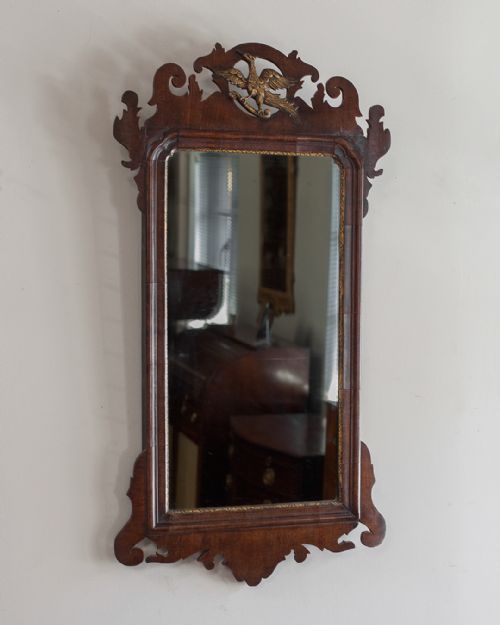
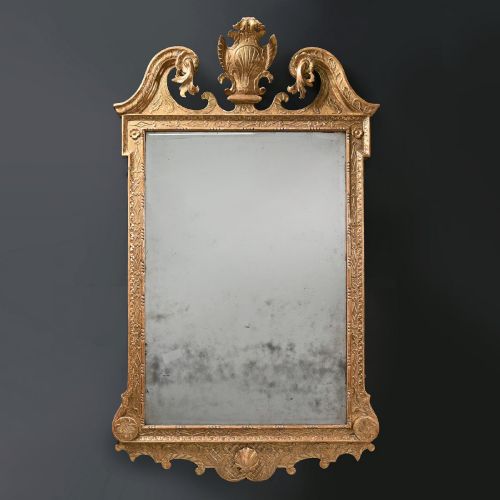
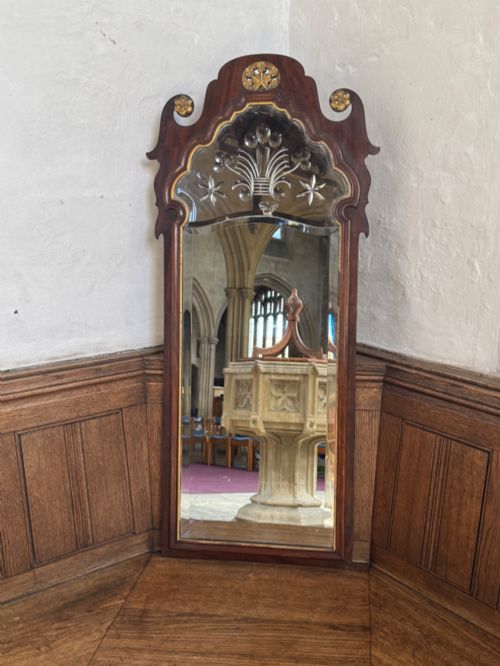
The prevailing examples bridge multiple eras, stretching from George I and George II gesso works through George III mahogany fretwork to the bolder lines of the Regency period. Many pieces reflect later revivals, maintaining traditional proportions and materials.
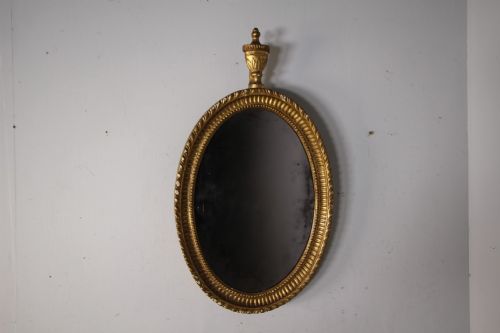
Makers utilised specific regional traits, from English walnut and mahogany frames to French giltwood designs. Buyers frequently encounter rectangular wall formats alongside oval, round convex, and architectural pier configurations.
How they were made
Carved wooden frames provide the structural foundation, executed primarily in timber such as mahogany, walnut, or sycamore, and frequently enhanced with gesso layers to receive surface gilding. Gold leaf and composition materials build up the relief ornament, from delicate floral swags to elaborate scrollwork.
Listings feature 18th century and Regency periods prominently, utilising giltwood, mahogany, and mercury glass.
What varies in quality
The crispness of the hand-carved detail distinguishes superior examples from standard production, particularly where gesso enrichment defines acanthus leaves or gilded mouldings. Superior proportion and harmonious scale elevate pieces originating from prominent design idioms.
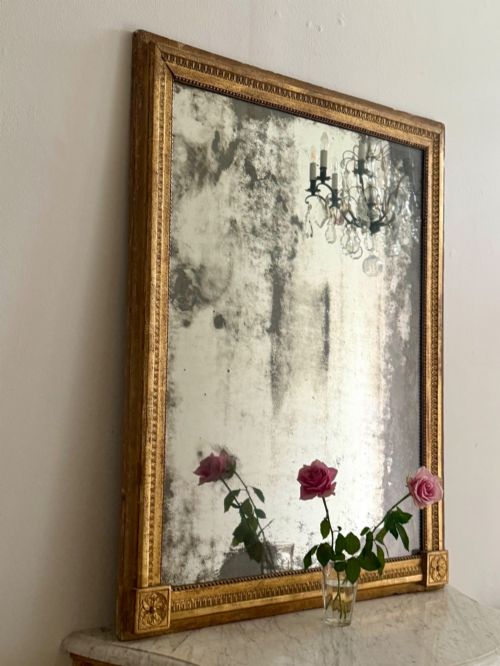
The preservation of original surface treatments dictates the character of the object, noting how gold leaf ages alongside the integrity of the underlying timber framework. Original glass plates with authentic foxing carry distinct visual weight compared to modern replacements.
The Georgian Gilt Glass Mirror Glossary
- Giltwood
- Timber carved and subsequently covered with gold leaf or metal leaf. This finish defines the reflective brilliance characteristic of formal period interiors.
- Gesso
- A plaster mixture applied to wood frames to create a smooth surface for carving and gilding. Artisans built up relief decoration using this compound before applying gold leaf.
- Pier Mirror
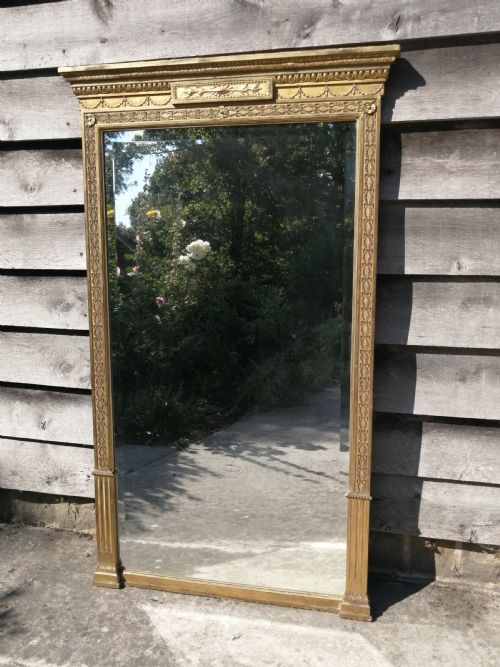
- A tall mirror designed specifically to hang on the wall space between windows. These pieces often sat above matching console tables.
- Mercury Glass
- Early mirror glass produced by applying a tin-mercury amalgam behind the glass plate. This technique creates a distinctive mottled reflection known as foxing over time.
- Parcel Gilt
- A finish where only specific carved elements of a wooden frame receive gilding while the underlying timber remains visible. This technique highlights walnut or mahogany grains.
Georgian Gilt Glass Mirror: Frequently Asked Questions
Where should I hang an overmantel mirror?
An overmantel mirror traditionally anchors the space directly above a fireplace mantelpiece, reflecting light and focal points across the room. Their generous horizontal proportions suit installation along principal chimney breasts.
Alternatively, these large formats function effectively above sideboard units or low commodes within principal reception rooms, provided wall fixings securely support the substantial weight of the timber and glass.
How do I identify a Regency mirror?
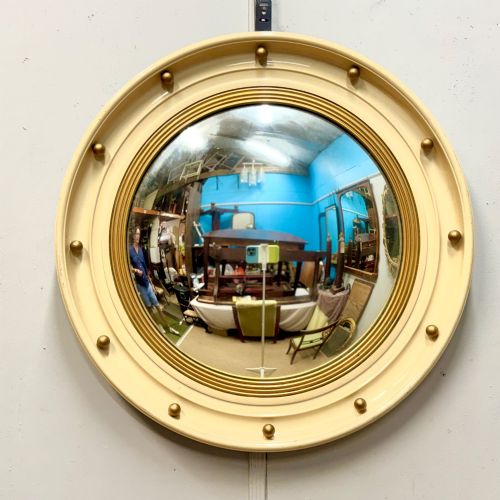
Regency mirrors frequently incorporate classical architectural motifs, bold round convex plates, and ebonised reeded details alongside giltwood finishes. These pieces reflect the early nineteenth-century taste for Roman and Greek revival aesthetics.
Proportions tend to be heavier and more monumental than earlier Georgian designs, often featuring prominent ball ornamentation along the inner frame or flanking columns.
What is foxed glass?
Foxed glass refers to the natural oxidation and degradation of the backing material behind historic mirror plates over decades or centuries. This process creates dark spots, cloudy patches, and softened reflections.
Rather than a structural fault, collectors often prize original foxing for the authentic historic atmosphere it imparts to eighteenth-century and early nineteenth-century looking glasses.