

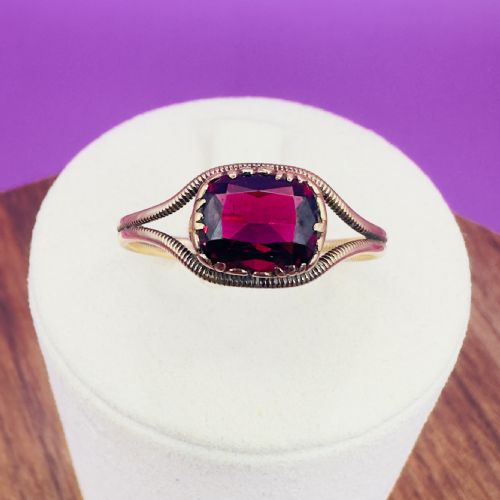


Georgian Gemstone Ring
A georgian gemstone ring brings centuries of hand-cut stones and rich gold work straight to your hand.
Georgian Gemstone Ring
When you search for a georgian gemstone ring, you are looking at jewellery forged in the eighteenth and early nineteenth centuries, encompassing periods marked by meticulous hand fabrication. The examples you are most likely to meet on this page span the Georgian era alongside connected Victorian and Edwardian periods, showcasing rich golds and deep silver settings.
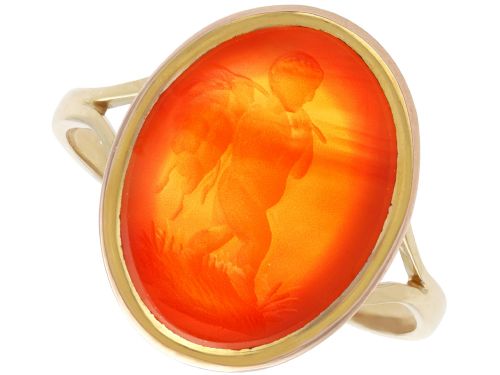
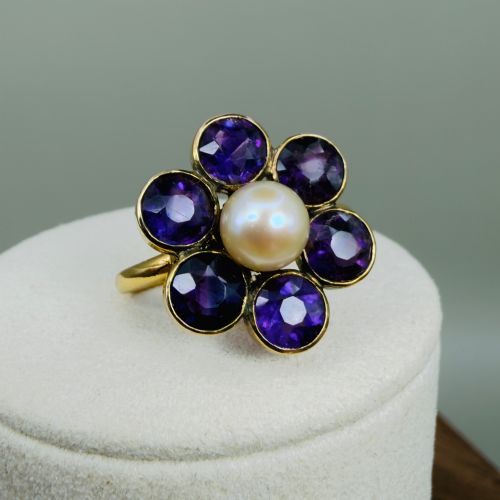
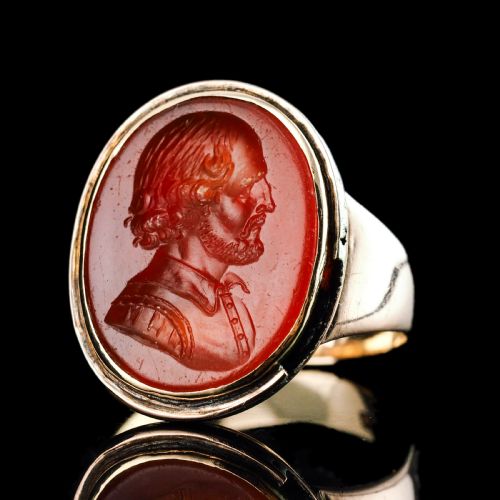
The forms range from intimate solitaire rings housing carnelian or garnet to complex cluster rings featuring amethyst, emerald, and pearl arrangements. Intaglio rings carved with classical female portraits, gentlemen, or allegorical figures also feature prominently among these early survivals.
Materials vary from glowing carnelian and banded agate to bright diamonds, rich rubies, and deep green emeralds. Each object reflects the distinct tastes of collectors who value the unhurried craft of past centuries.
How they were made
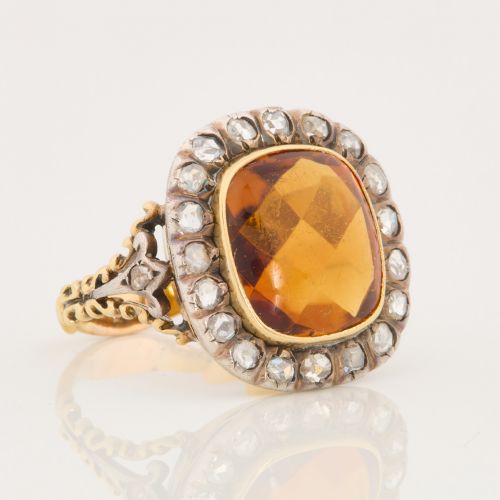
Makers utilised high carat gold, such as eighteen carat and fifteen carat gold, alongside silver settings designed to reflect light through closed foil backs. Stones were cut by hand, resulting in characteristic old mine cuts and rose cuts that sit softly within their bezels.
Intaglio designs were painstakingly carved into carnelian and agate to reveal detailed classical portraits and mythological figures. Cluster layouts positioned pearls and smaller diamonds tightly around central amethysts or emeralds using minute, hand-formed claws.
Georgian Gemstone Ring Retail Price Guide 2026
Typical asking prices for georgian gemstone ring among the pieces listed under this phrase on Sellingantiques today, from the lower quarter to the upper quarter. They describe what is for sale here now, not the wider market.
Listings feature periods spanning from the eighteenth century through to the Edwardian era, predominantly showcasing gold and silver rings.
What varies in quality
The depth and clarity of hand-carved intaglios separate ordinary stones from exceptional portrait carvings, where the expression of a classical figure remains crisp and legible. The choice of gem material also dictates the standing of a piece, with fine emeralds, bright diamonds, and unblemished natural pearls commanding greater attention.
The integrity of the metalwork, from substantial eighteen carat gold shanks to fine silver collets holding rose cut diamonds, dictates the overall execution. Proportion and balance within cluster configurations ensure that the central amethyst or garnet holds visual dominance without appearing crowded.
The Georgian Gemstone Ring Glossary
- Intaglio
- A gemstone carved with a sunken design so that it leaves a raised impression when pressed into wax. These motifs often depict classical portraits or allegorical figures.
- Cluster ring
- A ring design featuring a central prominent stone surrounded by a border of smaller gems. This arrangement maximises sparkle and presence on the hand.
- Old mine cut
- An early diamond cutting style characterised by a cushion shape, high crown, and large culet facet. It produces a warm, candlelit glimmer rather than modern brilliance.
- Rose cut
- A diamond cut featuring a flat base and a domed crown faceted with triangles. It allows light to pass through softly.
- Solitaire ring
- A piece set with a single gemstone as its primary focal point. In these early examples, the stone is typically secured in a heavy gold bezel.
Georgian Gemstone Ring: Frequently Asked Questions
How do I care for antique rings?
These pieces require gentle handling due to their age and delicate foil backs or closed settings. Avoid submerging them in water or using ultrasonic cleaners.
Store them separately in soft pouches to protect the softer stones like pearls, amethysts, and carnelian from scratching.
Are these rings suitable for daily wear?
While durable, antique jewellery benefits from mindful wear given its age of two centuries or more. Removing them during heavy tasks protects the fragile settings and hand-carved intaglios.
Regular checks by a specialist ensure the old mine cut diamonds and emeralds remain secure in their gold and silver mounts.
How do I identify a Georgian ring?
Look for characteristic construction methods such as closed-back settings, heavy gold work, and hand-cut stones like rose cuts or old mine cuts. The design motifs often draw from classical portraiture and nature.
Hallmarks are frequently absent or partial on these early pieces, making stylistic clues and material analysis essential for dating.