




Georgian Furniture Wine Cooler
When you examine a georgian furniture wine cooler, you find a sturdy timber vessel designed to chill bottles at the dining table.
Georgian Furniture Wine Cooler
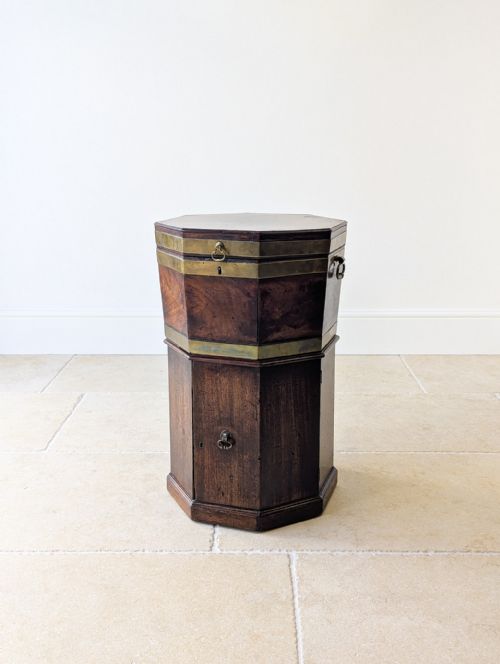
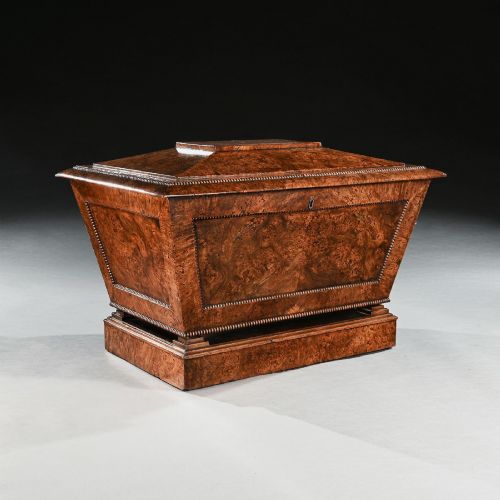
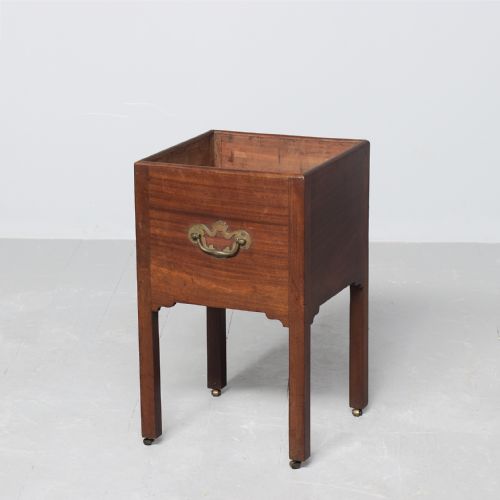
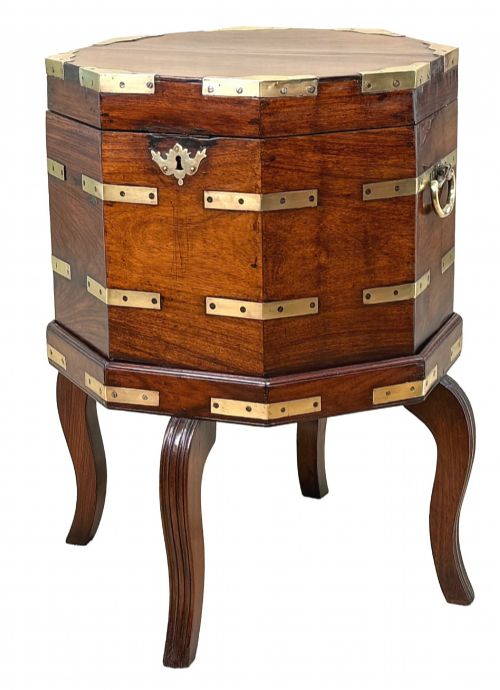
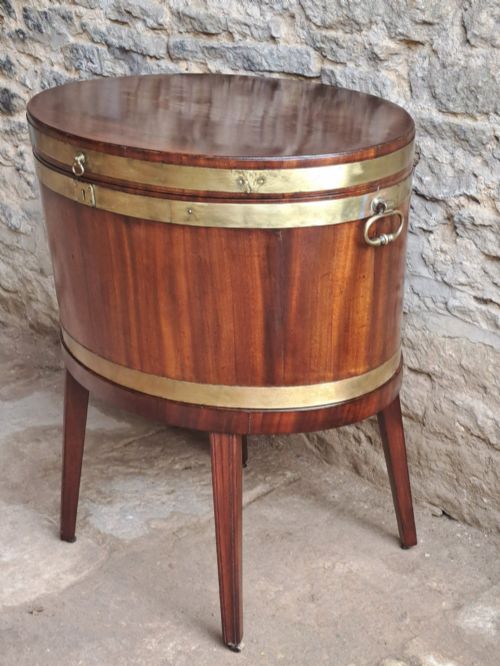
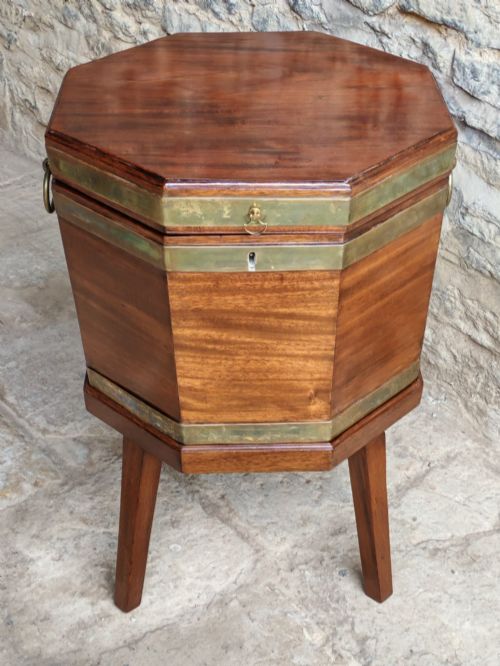
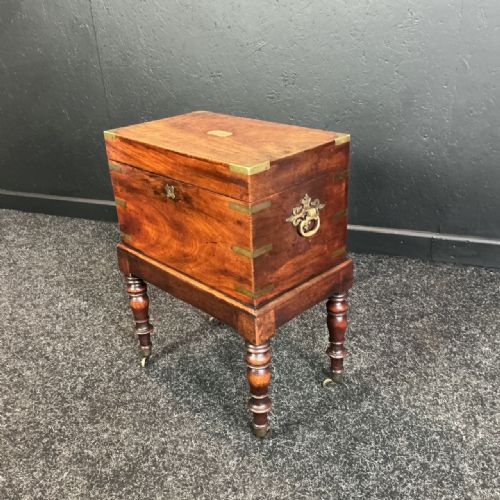
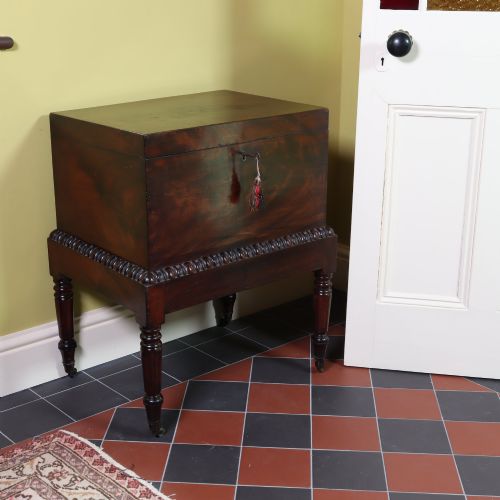
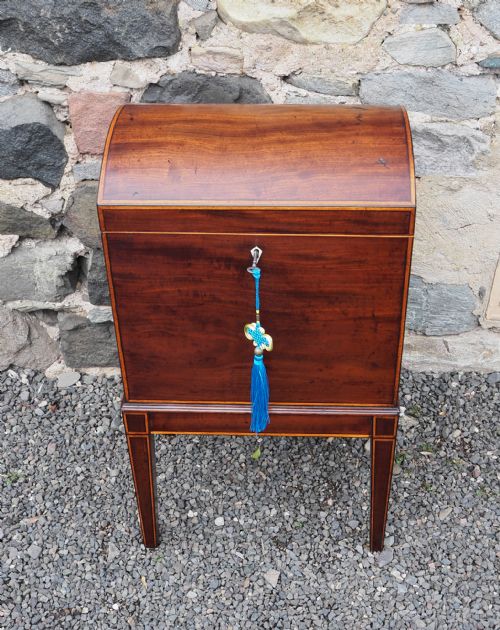
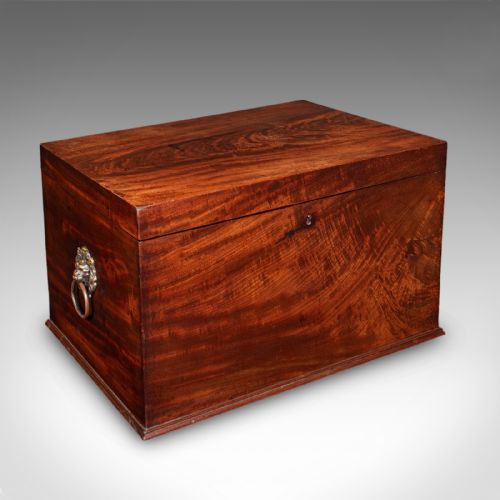
A georgian furniture wine cooler takes several distinct shapes, ranging from octagonal boxes to sarcophagus forms resting on paw feet. Many examples stand on independent legs, while others sit directly on the floor or function as low tabletop bottle stands.
Makers produced these pieces to hold wine bottles securely in lead-lined interiors, often compartmented for individual bottles. The form shifts from clean eighteenth-century geometric lines to bolder nineteenth-century classical proportions during the Regency and William IV eras.
Assessing quality in construction and material
The choice of timber grain defines the visual appeal, with flame mahogany and figured veneers commanding attention through rich movement and deep patina. Subtle details such as original brass fittings, intact lead linings, and well-executed boxwood stringing elevate a piece above standard utility items.
Proportion and structural integrity distinguish workshops like Gillows or regional Irish makers from lesser cabinetmakers. The survival of original stands and internal bottle dividers preserves the full utility and historical context of the piece.
Some nineteenth-century examples doubled as miniature chests of drawers, hiding the serious business of wine storage behind polite domestic deception.
Gillows·Gillingtons·Robert Strahan And Co
The Georgian Furniture Wine Cooler Glossary
- Sarcophagus shape
- A distinctive nineteenth-century style mimicking an ancient stone coffin, characterised by a domed lid and tapered body often resting on paw feet.
- Patina
- The surface sheen and deep colour developed by timber through age, handling, and regular polishing over decades or centuries.
- Boxwood inlay
- Narrow strips of pale wood inserted into contrasting darker timber surfaces to create geometric borders and decorative outlines.
Georgian Furniture Wine Cooler: Frequently Asked Questions
How were these coolers used during dinner parties?
Servants filled the interior lead-lined compartment with ice and water to chill wine bottles before bringing them to the dining table. Guests selected their drinks directly from the container as the meal progressed.
Because the heavy timber vessels stayed stationary on the floor or a small stand, they kept the bottles within easy reach of the host without cluttering the main dining surface.
Where should I place a wine cooler today?
These pieces function well as side tables, corner accents, or storage chests in a dining room or living space. Their generous proportions provide practical hidden storage for blankets, books, or modern bottles.
Keeping them away from direct heat sources protects the antique mahogany and veneer from drying out or splitting over time.
How do I distinguish between eighteenth and nineteenth-century examples?
Eighteenth-century pieces typically display straight tapered sides, octagonal geometries, or delicate bracket feet with restrained brass binding. They lean toward classical restraint and straightforward proportions.
Nineteenth-century variants frequently adopt bolder sarcophagus profiles, carved paw feet, and dramatic figured veneers like pollard oak or flame mahogany reflecting Regency and William IV tastes.
What is the purpose of the metal lining?
The internal lead or metal lining prevented melting ice water from soaking into the porous mahogany timber and rotting the joinery. It created a watertight basin that maintained low temperatures for the stored wine.
Many surviving pieces retain these original metal inserts, which serve as a primary indicator of authenticity and original function.