



Georgian Furniture C1800
Georgian furniture c1800 brings solid craftsmanship and rich timber into a room, offering practical storage and timeless utility.
Georgian Furniture C1800
When searching for georgian furniture c1800, buyers encounter robust domestic pieces designed for utility and understated elegance. The selection on this page spans the Georgian, 1800, and Regency periods, reflecting the transition from classical restraint to bolder forms.
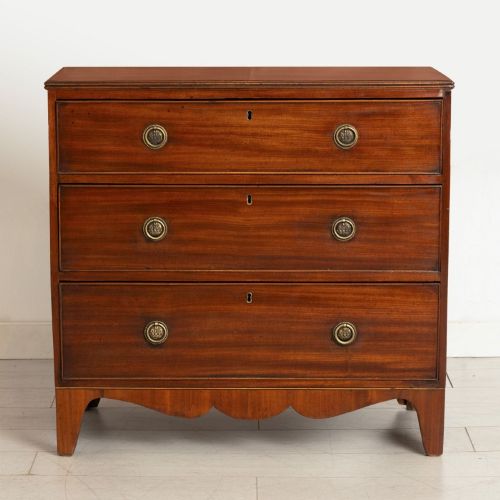
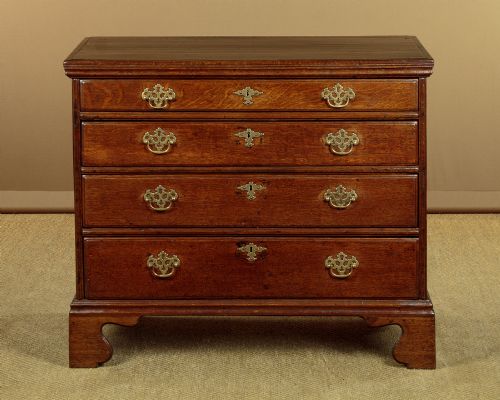
Most pieces met here take the form of chests of drawers, cupboards, and occasional seating, alongside desks and wardrobes. Timbers such as mahogany, oak, pine, and beech dominate these functional household items.
Origins include country workshop interpretations alongside more refined urban cabinet work. Buyers find both simple primitive designs and crossbanded mahogany pieces with brass handles.
Materials and construction
Cabinet makers utilised dense native and imported timbers, pairing sturdy structural woods like oak and pine with decorative surfaces of mahogany, sycamore, and beech. Crossbanding and curl mahogany veneers provide visual contrast on finer drawer fronts and breakfront wardrobes.
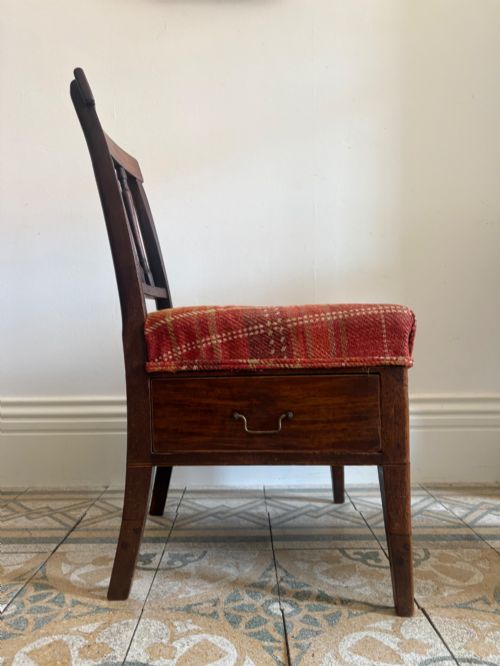
Metal hardware such as brass handles and iron fittings secure doors and drawers, while upholstered sections incorporate functional fabric. Joinery relies on traditional methods suited to heavy daily use across decades.
Georgian Furniture C1800 Retail Price Guide 2026
Typical asking prices for georgian furniture c1800 among the pieces listed under this phrase on Sellingantiques today, from the lower quarter to the upper quarter. They describe what is for sale here now, not the wider market.
The periods represented span Georgian, the year 1800, and Regency styles.
Judging quality
Quality differentiates by the selection of timber and the precision of surface decoration, such as figured mahogany veneers and neat crossbanding. Plain pine and primitive oak versions rely on robust utility rather than decorative refinement.
The integrity of original brass handles, working locks, and secondary woods indicates the level of craftsmanship invested in a piece. Finer examples balance structural stability with carefully matched grain patterns.
The Georgian Furniture C1800 Glossary
- Crossbanding
- A narrow strip of veneer applied to the border of a furniture surface with the grain running perpendicular to the main panel. This technique frames drawer fronts and tabletops.
- Curl mahogany
- Timber taken from the fork of the mahogany tree where branches meet the trunk, producing a feathery grain pattern. Cabinet makers used this for decorative impact on high-status surfaces.
- Kneehole desk
- A compact desk featuring a recessed central space for the user's legs, flanked by pedestals of small drawers. These pieces served domestic writing and storage needs.
- Breakfront
- A cabinet or wardrobe design where the central section projects forward from the flanking wings. This adds architectural depth to large case pieces.
- Primitive
- A descriptive term for vernacular furniture made with basic tools and local woods, often displaying charming utilitarian construction without academic styling.
Georgian Furniture C1800: Frequently Asked Questions
What woods were commonly used?
Makers utilised mahogany as a primary timber for fine urban items, often featuring curl grain or crossbanding. Oak, pine, and beech appeared frequently in utilitarian and country pieces.
Secondary woods supported structural elements within drawers and carcases, ensuring durability during daily domestic service.
How do I identify a piece from around 1800?
Look for the stylistic transition between late Georgian restraint and early Regency boldness. Proportions remained practical while surface treatments evolved.
Construction methods, hardware types, and timber choices provide further clues to date a piece accurately within this era.
Were these pieces painted originally?
Some functional items received painted finishes to protect softer woods or match interior decorative schemes. This treatment appears on country pieces and specific chest designs.
Painted surfaces alter the visual weight of the furniture compared to exposed polished timber.
How can I use a fold-over tea table?
These tables functioned primarily for social gatherings and tea drinking, opening up when guests arrived. Folded closed, they occupied minimal space against a wall.
Today they serve effectively as console tables or occasional surfaces in living areas and hallways.