







Georgian Fire Bucket
A georgian fire bucket brings utilitarian history directly to the hearth, offering robust leather or metal construction suited for modern fireside storage.
Georgian Fire Bucket
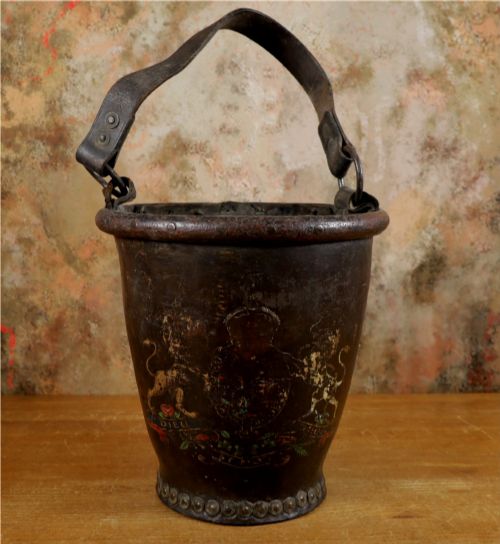
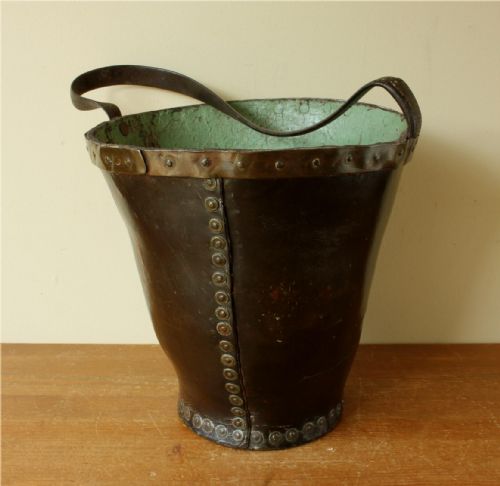
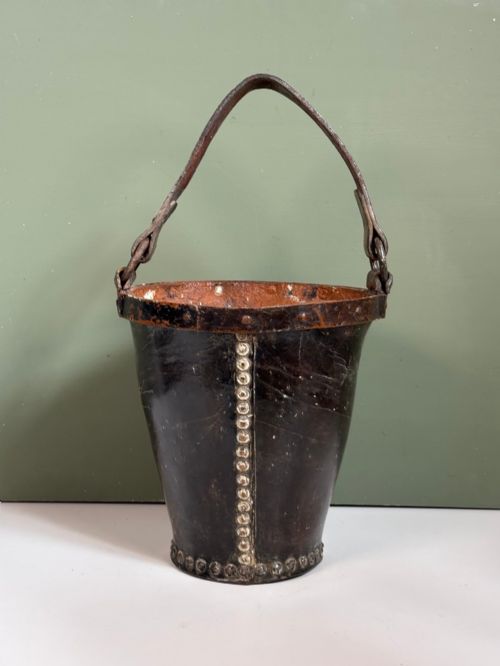
A georgian fire bucket encompasses sturdy vessels originally designed for emergency firefighting before evolving into decorative hearth accessories such as log bins and waste paper baskets. Buyers searching for a georgian fire bucket will encounter examples spanning the eighteenth and nineteenth centuries, often showing robust forms designed to stand beside the fireplace.
The selections on this page range from hand-painted leather containers bearing coats of arms to riveted copper and brass vessels. Alongside traditional fire buckets, the evidence includes related hearth accessories like log bins, scuttles, and planters shaped from metal or wood.
Examples originate from periods including the eighteenth century, the Georgian era, and the nineteenth century. Whether formed from boiled leather with metal rivets or shaped copper with brass mounts, these objects bring historical character into contemporary interiors.
Materials and construction
Construction relies heavily on thick leather and heavy-gauge copper, shaped to withstand demanding daily use. Artisans utilised metal rivets to secure seams on leather and metal bodies alike, ensuring structural strength.
Surface treatments involve hand-applied paint, pigment, and studwork to display coats of arms or decorative motifs. Brass mounts and handles provide functional contrast to the dark leather and weathered copper surfaces.
Georgian Fire Bucket Retail Price Guide 2026
Typical asking prices for georgian fire bucket among the pieces listed under this phrase on Sellingantiques today, from the lower quarter to the upper quarter. They describe what is for sale here now, not the wider market.
Some historical fire buckets featured lions and unicorns painted proudly on the side, ready to fight flames with royal support.
Judging quality and character
Quality rests in the integrity of the materials and the preservation of original surface details, such as hand-painted coats of arms or untouched patination on copper. Pieces featuring crisp studwork and sound structural riveting demonstrate superior craftsmanship.
The balance between utilitarian durability and decorative refinement defines the range. Items retaining their original pigment and integrated handles command attention for their survival through centuries of domestic service.
The Georgian Fire Bucket Glossary
- Boiled leather
- Leather hardened through a heating process in water or wax to create a rigid, durable vessel. This technique provided the waterproof qualities necessary for early firefighting equipment.
- Metal rivets
- Fasteners driven through overlapping sections of leather or sheet metal to secure structural seams. They provide both physical strength and a distinct industrial aesthetic.
- Log bin
- A large container designed specifically for holding firewood near a hearth. These vessels often adapt older buckets or copper pots for modern domestic storage.
- Coat of arms
- Heraldic imagery painted or stamped onto the exterior of a bucket. Such ornamentation frequently denoted the civic or private ownership of the fire equipment.
- Patina
- The surface sheen and coloration developed through age, handling, and exposure to the elements. On these pieces, it reflects decades or centuries of fireside use.
Georgian Fire Bucket: Frequently Asked Questions
What were these buckets used for?
These vessels originally served as rapid-response water carriers for putting out domestic fires before municipal fire brigades were common. Lines of people passed them hand-to-hand from a water source to the blaze.
Today, their durable construction makes them ideal for contemporary hearthside use as log bins, coal scuttles, or umbrella stands.
How do I clean a leather fire bucket?
Leather requires gentle maintenance to preserve its historic surface and any original hand-painted details. Dusting with a dry, soft cloth is usually sufficient for regular upkeep.
Avoid commercial cleaning liquids or excessive moisture, which can damage the aged hide and any surviving pigment or coat of arms.
Are copper and leather buckets waterproof?
Original pieces were designed to hold water for firefighting, but centuries of age mean many leather and riveted copper seams are no longer completely watertight. Using a modern inner liner is recommended if you intend to hold wet items or fresh plants.
Dry storage for logs, kindling, or magazines avoids placing stress on historical seams.
How do I tell an 18th-century bucket from a 19th-century one?
Dating relies on examining the materials, stitching methods, and the style of any painted decoration or metal studs. Eighteenth-century examples often feature heavy boiled leather with hand-forged iron or brass fixings and distinct heraldic work.
Nineteenth-century pieces frequently show machine-rolled sheet copper or softer leather coverings associated with decorative coal scuttles and log bins.