





Antique Fire Bucket Handle
An antique fire bucket handle brings rugged utility indoors, offering a tactile piece of maritime and domestic history for any hearth.
Antique Fire Bucket Handle
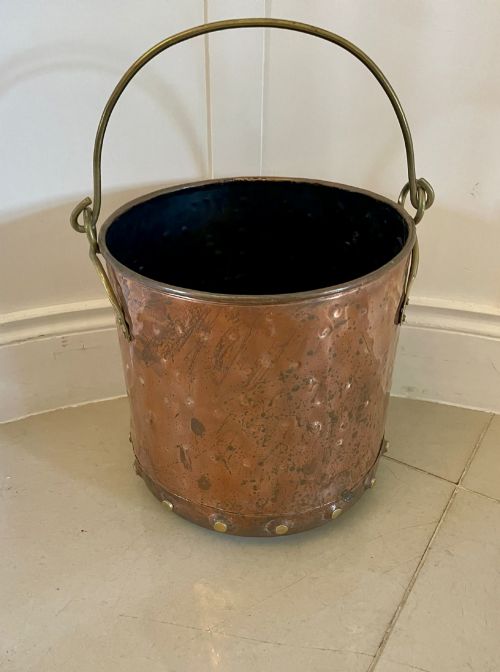
When you search for an antique fire bucket handle, you are looking at hardware that once secured leather, oak, or metal vessels designed for early firefighting. Most examples encountered here belong to broader fireside accessories and log bins from the Georgian and Victorian eras.
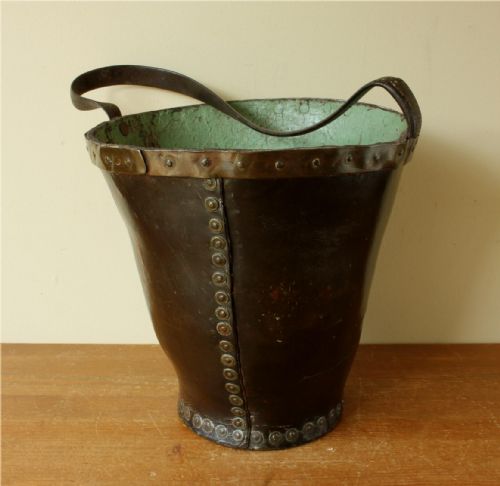
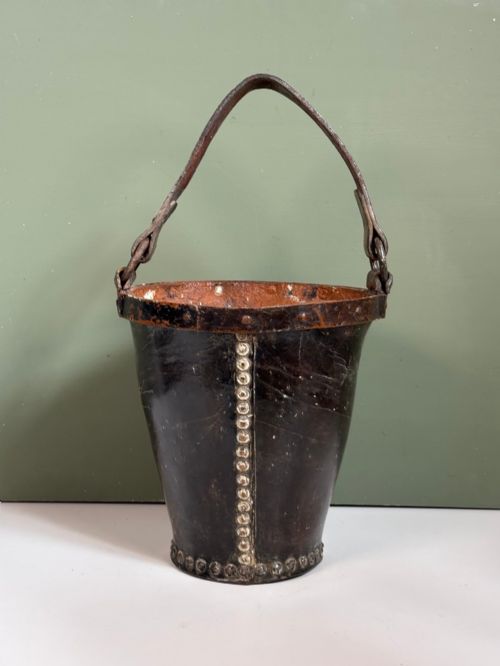
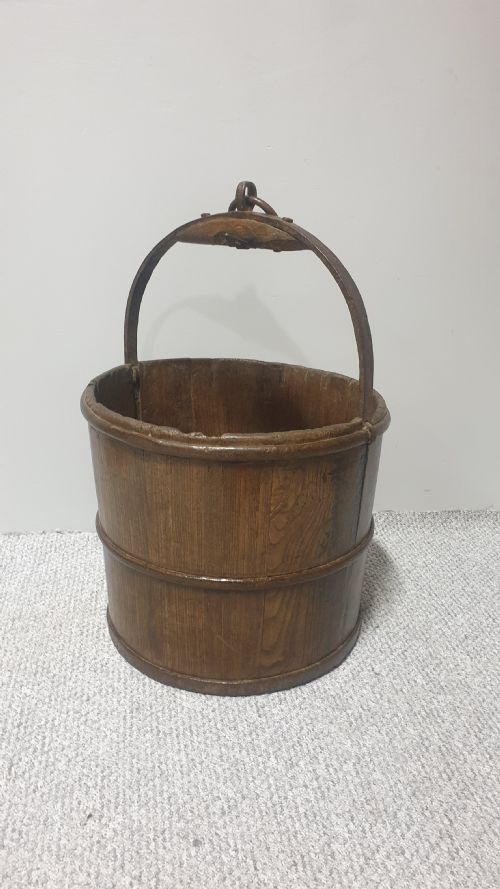
The selection ranges from heavy metal hardware to complete buckets fashioned from boiled leather and oak with iron reinforcements. These items now frequently serve as decorative accents, log buckets, or garden planters beside the hearth.
How they were made
Maker's methods relied on robust materials like copper, brass, wrought iron, and oak to withstand heavy daily use. Leather was often boiled to achieve rigidity, while metal vessels utilised riveted construction and hand-formed handles.
Details such as hand-painted crests on leather buckets or studded copper fixings show the standard craftsmanship of nineteenth-century workshops. Iron and brass components were shaped to bear weight securely, ensuring durability for practical tasks.
Antique Fire Bucket Handle Retail Price Guide 2026
Typical asking prices for fire bucket handle among the pieces listed under this phrase on Sellingantiques today, from the lower quarter to the upper quarter. They describe what is for sale here now, not the wider market.
Listings span the eighteenth, nineteenth, and Victorian periods, utilising materials such as boiled leather, oak, copper, and wrought iron.
What varies in quality
Quality separates standard utility items from pieces featuring armorial crests or refined maritime provenance, such as Royal Navy oak buckets. The gauge of the metal and the condition of the original leather or wood dictate the overall integrity.
Better examples retain their original structural handles and surface patination without excessive modern intervention. Superior pieces display thoughtful construction details, from careful riveting to balanced proportions in log bins and cauldrons.
The Antique Fire Bucket Handle Glossary
- Boiled leather
- Leather hardened through a hot-water or wax-immersion process. This technique created rigid vessels capable of holding water safely.
- Armorial crest
- A heraldic design painted or stamped onto an object. Such crests often denoted military, naval, or aristocratic ownership.
- Wrought iron
- Iron beaten into shape by hand while hot. This material provided strong, flexible fastenings for eighteenth and nineteenth-century containers.
- Coal scuttle
- A container designed to hold coal for a fireplace. These vessels frequently doubled in form with copper or brass construction.
Antique Fire Bucket Handle: Frequently Asked Questions
What were antique fire buckets used for?
These buckets formed part of early domestic and institutional fire safety systems. Households and ships kept them filled to tackle small flames quickly.
Over time, many surviving vessels transitioned to holding firewood, coal, or waste paper as modern firefighting methods evolved.
How do I date an antique fire bucket?
Dating relies on examining the materials, construction methods, and any visible armorial bearings. Georgian examples often feature hand-painted leather, while Victorian pieces lean towards heavy brass and copper.
Hardware fixings like hand-beaten iron rivets also provide clues to the manufacturing decade.
Can I use these buckets outdoors?
Many copper log bins and metal vessels adapt well to outdoor use as garden planters. Leather and early painted items require indoor placement to protect the surface.
Moisture management remains important if you decide to house plants inside antique metal containers.
How do I clean copper and brass pieces?
Maintenance depends on whether you prefer a bright polished shine or an aged dark patina. Most collectors preserve the historic surface by dusting gently rather than aggressive chemical cleaning.
Harsh abrasives can strip away centuries of oxidation that give antique metal its character.