


Georgian Figure Oil Painting
A georgian figure oil painting captures past life through layered pigments, bringing depth and character to a room.
Georgian Figure Oil Painting
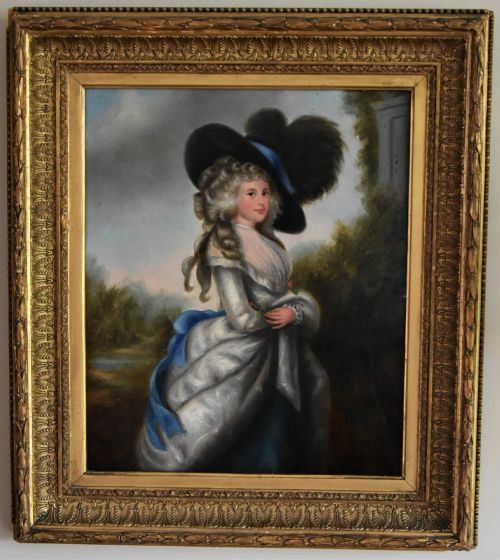
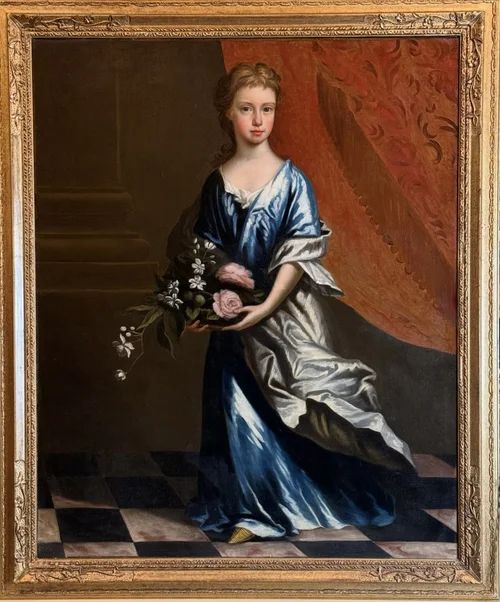
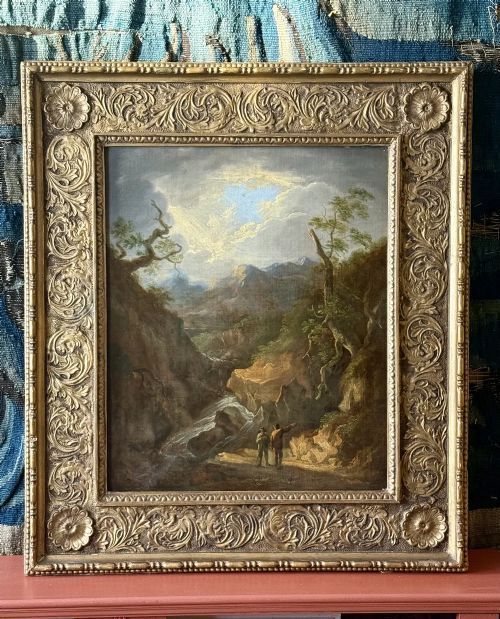
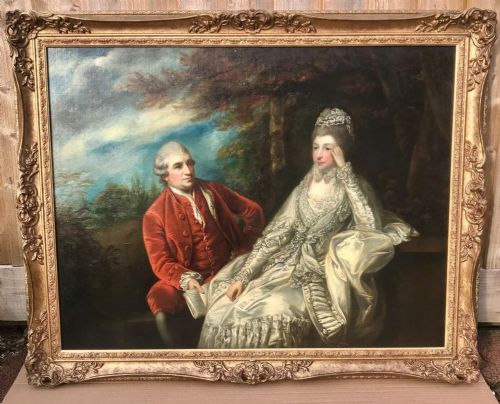
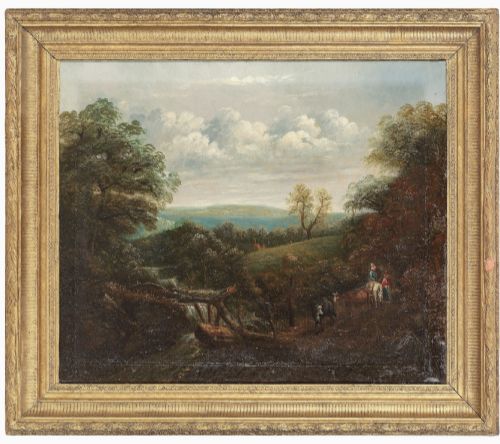
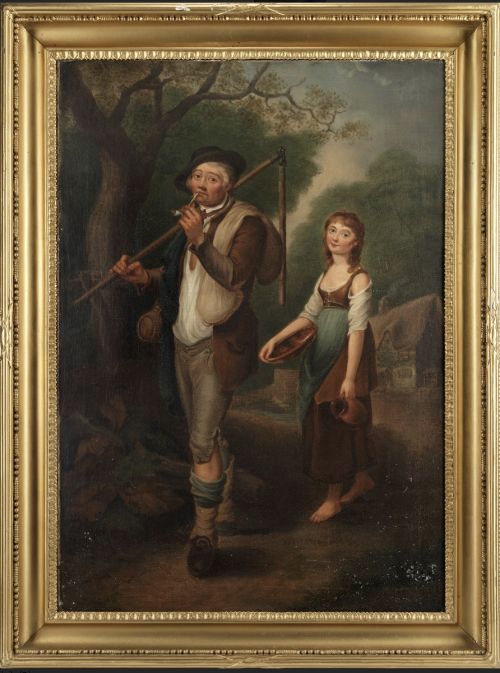
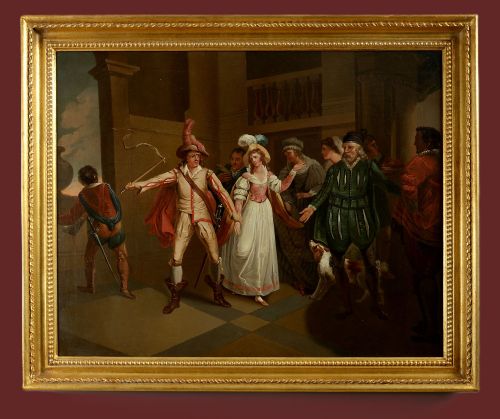
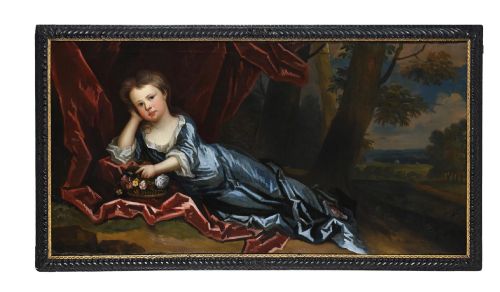
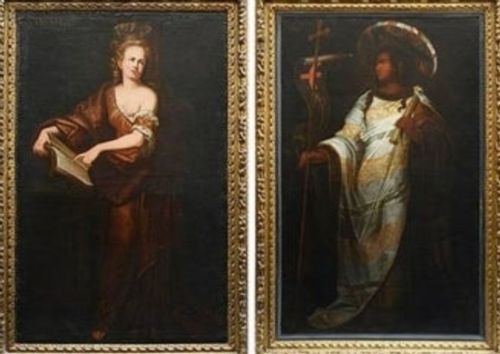
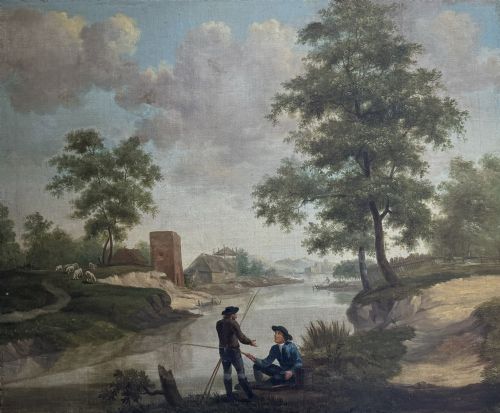
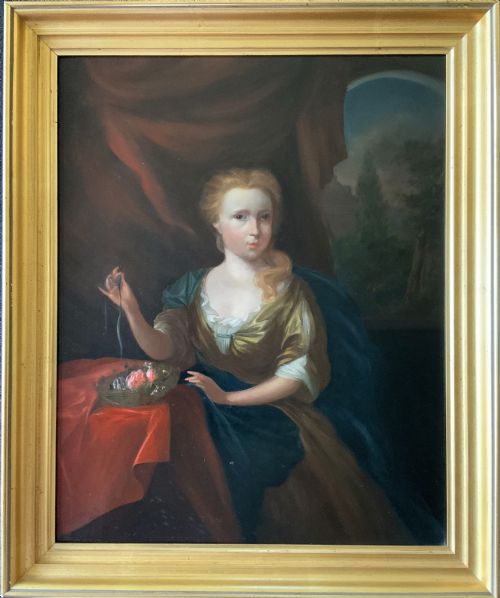
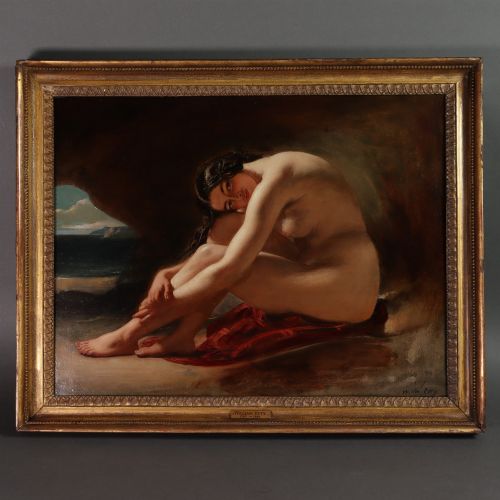
A georgian figure oil painting depicts human subjects within domestic, pastoral or classical settings, reflecting the aesthetic priorities of the eighteenth and early nineteenth centuries. These works range from intimate portrait studies to expansive landscapes populated by travellers, labourers or mythological figures.
Buyers on this page most frequently encounter portraits and narrative scenes executed on canvas or wood panel, often housed in period giltwood frames. The subjects bridge formal portraiture and genre painting, capturing the social texture of the period.
How they were made
Artists built these works using oil paint applied to stretched canvas, prepared wood panels or occasionally paper, layering pigment to achieve rich tonal variation. Grounds of gesso or lead white provided a stable foundation for the oil mediums.
Frames made from wood, gilded with gold leaf or finished as giltwood completed the construction, protecting the perimeter of the canvas while complementing the warmth of the painted surface.
Listings feature works spanning the eighteenth and nineteenth centuries, utilising oil on canvas, wood and paper supported by giltwood framing.
What varies in quality
The sophistication of brushwork and the anatomical confidence in rendering figures distinguish works of high accomplishment from simpler studio output. Masterful handling of light and shadow creates convincing three-dimensional form, whereas lesser works rely on stiff contours.
The integrity of the original canvas surface, the stability of the paint layers and the presence of a matching period frame significantly influence the standing of an individual piece within its genre.
Thomas Barker of Bath·Benjamin Barker of Bath·Charles D’Agar·William Etty·Giovanni Paolo Panini·William Tate·Joseph Wright of Derby·Frank Moss Bennett·Rolinda Sharples·Richard Wilson·Ramsay Richard Reinagle·Philip Mercier·John Verelst
The Georgian Figure Oil Painting Glossary
- Oil paint
- Pigment suspended in a drying oil, typically linseed oil, which allows for smooth blending and deep glazing. This medium defined European fine art production across the centuries.
- Giltwood
- Wood carved and covered with a thin layer of gold leaf or metal powder. It provides reflective framing for traditional canvases.
- Canvas
- Heavy woven fabric stretched across a wooden stretcher bar to form a rigid support for painting. Hemp and linen were common choices.
- Genre painting
- The pictorial representation of scenes from everyday life, involving ordinary people engaged in common activities. These works contrast with grand historical or religious subjects.
- Portraiture
- The representation of a particular person, capturing likeness, personality and social status through paint. Commissioned works often recorded family lineage.
Georgian Figure Oil Painting: Frequently Asked Questions
Where should I hang these paintings?
Choose an interior wall away from direct sunlight, radiators and damp spaces to protect the canvas and wood from thermal shock. Stable room temperatures prevent the paint layer from cracking.
Consider eye-level placement in rooms with controlled lighting to appreciate the fine brushwork and details of the figures.
Are these works signed?
Many historical paintings remain unsigned, as studio practice often left works unattributed or marked only by stylistic convention. Signatures, when present, may appear subtly in corners or on the reverse.
Attribution typically relies on stylistic analysis, brushwork comparison and historical documentation rather than an explicit signature.
How can I tell the period?
Dating relies on costume details, hairstyles, stretcher construction and the preparation of the canvas or panel. Pigment analysis and frame styles also offer reliable clues to the era of creation.
Comparative study with dated works by known schools helps narrow the decade in which the piece was painted.