



Georgian Elm Cabinet
A georgian elm cabinet offers rich, swirling grain and country character, combining practical storage with the distinctive warmth of native timber.
Georgian Elm Cabinet
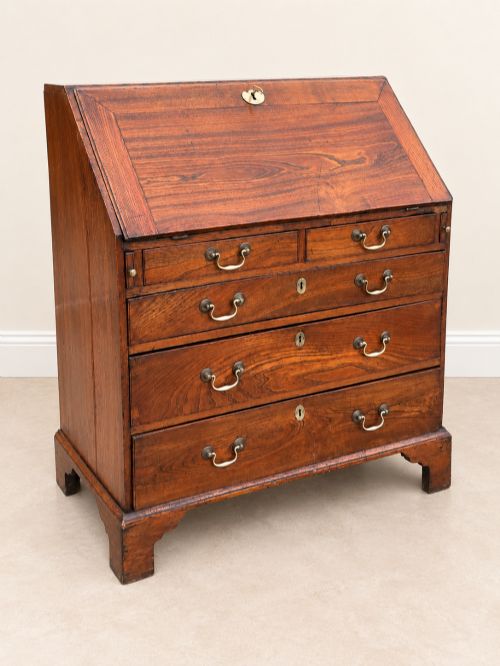
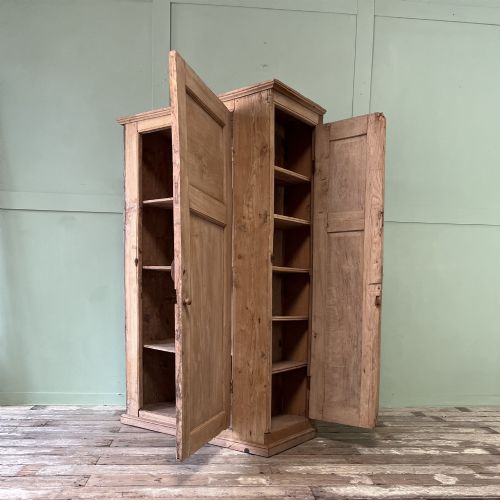
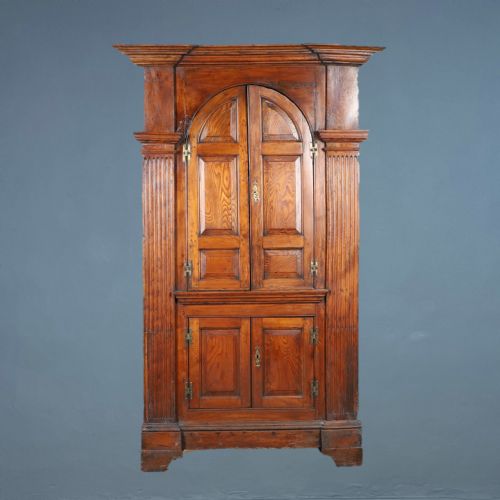
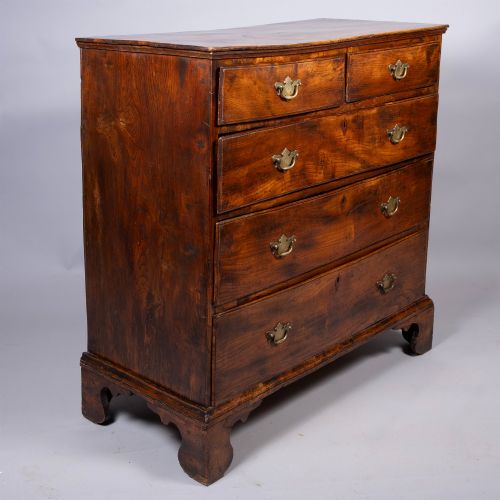
A georgian elm cabinet encompasses functional domestic pieces from the eighteenth and early nineteenth centuries, ranging from corner cupboards and food cupboards to bureaux and dresser bases. These items showcase the robust nature of native timber, often enriched by burr figuring or paired with oak and walnut.
Buyers frequently encounter regional vernacular forms, particularly Welsh examples, alongside formal architectural corner cupboards and small bureaux dating from the seventeen-fifties onwards. The selection spans straightforward country craftsmanship as well as more polished neoclassical designs utilising marquetry and decorative wood inlay.
Makers often exploited the natural movement and wild grain of elm, burr elm, and burr yew to create striking surface patterns on commodes and cellarettes. This combination of sturdy construction and decorative timber grain defines the visual appeal of these survival pieces from the period.
Materials and construction methods
Makers built these pieces primarily using solid elm and burr elm, frequently supplemented with secondary woods such as oak for structural stability and drawer linings. Artisans also integrated burr walnut, burr yew, and intricate wood inlay to create decorative focal points on commodes and bureaux.
Joinery techniques relied on traditional framing and panel construction to accommodate the natural twisting tendencies of elm timber. Brass hardware, including escutcheons and handles, provided functional contrast to the dark, figured wooden surfaces.
Georgian Elm Cabinet Retail Price Guide 2026
Typical asking prices for georgian elm cabinet among the pieces listed under this phrase on Sellingantiques today, from the lower quarter to the upper quarter. They describe what is for sale here now, not the wider market.
Elm trees have a stubborn habit of twisting as they grow, meaning cabinetmakers needed extra patience just to keep drawer fronts flat.
Assessing quality and craftsmanship
Quality rests significantly on the choice of timber, distinguishing plain boards from exceptionally figured burr elm veneers that display complex, swirling patterns. The integration of contrasting woods like burr walnut and yew further elevates the visual hierarchy of the piece.
Proportion and architectural detailing set finer formal pieces apart from simpler rustic country items, particularly in cornice mouldings and corner cupboard designs. The preservation of original brass mounts and untouched surface patination indicates superior historical integrity.
The Georgian Elm Cabinet Glossary
- Burr elm
- A growth deformity in the elm tree that produces highly figured, swirling wood grain patterns prized by cabinetmakers. This timber was frequently sliced into veneers for decorative furniture fronts.
- Dresser base
- A low sideboard or cabinet featuring drawers and cupboards, historically used for serving food and storing kitchen or dining equipment. These pieces often combine oak framing with elm panels.
- Corner cupboard
- A triangular storage unit designed to fit neatly into the corner of a room, saving floor space while displaying or hiding possessions. Examples range from simple wall-hanging versions to tall architectural standing pieces.
- Marquetry
- The art of applying decorative pieces of veneer to a structural surface to form intricate pictures or geometric patterns. This technique appears on late Georgian pieces alongside exotic and native timbers.
- Cellarette
- A dedicated lockable container or cabinet used for storing bottles of wine and spirits safely. Regency and Georgian examples in burr elm often featured fitted interiors for liquid storage.
Georgian Elm Cabinet: Frequently Asked Questions
What is a georgian elm cabinet?
A georgian elm cabinet is a storage piece, such as a food cupboard, corner cupboard, or bureau, built during the eighteenth or early nineteenth centuries using native elm timber. These items reflect both rustic country craftsmanship and more formal urban cabinetmaking styles.
Craftsmen valued elm for its toughness and distinctive grain, though its tendency to warp required skilled joinery. Today, collectors seek them for their warm tone and historical character.
How do I care for elm furniture?
Keep elm pieces away from direct heat sources and sudden temperature shifts to prevent the timber from splitting or warping. Maintain the wood by applying appropriate natural waxes rather than modern silicone polishes.
Gentle dusting with a soft cloth preserves the historic patination and protects the delicate burr veneers. Ensuring stable indoor humidity keeps the old joinery and brass fittings secure.
How were these cabinets used?
These cabinets served varied domestic functions, from storing provisions in country larders to holding books, writing materials, or table linen in polite rooms. Corner cupboards made efficient use of awkward spaces for display and storage.
Bureaux combined a sloping desk surface with drawers for private correspondence and paperwork. Cellarettes and commodes provided specialised storage for dining provisions and personal items.
How do I identify a georgian piece?
Look for construction traits typical of the period, such as hand-cut dovetails on drawer boxes and the use of secondary timbers like oak behind primary elm surfaces. Form, proportion, and timber choice often align with documented eighteenth-century design dictionaries.
Hardware placement, timber shrinkage patterns, and traditional finishing methods help distinguish genuine period examples from later revivals. Regional vernacular pieces often display local building traditions distinct from London workshop standards.