





Georgian Door Hardware
Georgian door hardware brings functional period detail to an entrance, offering solid brass and bronze knockers, knobs, and bell pulls for domestic restoration.
Georgian Door Hardware
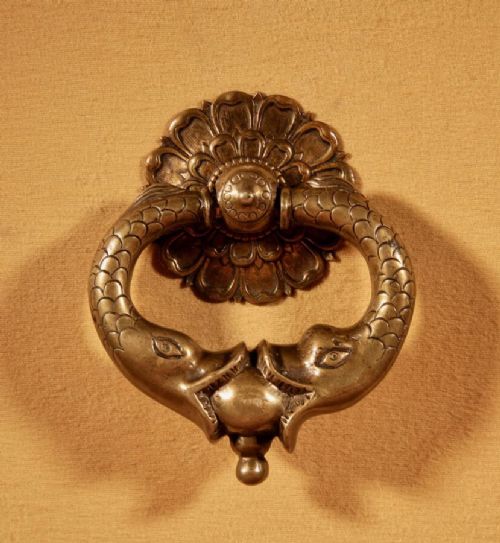
When you search for georgian door hardware, you encounter pieces designed to operate and adorn domestic entrances during the eighteenth and early nineteenth centuries. The objects range from heavy bronze door knockers to working oak box locks and brass centre door knobs.
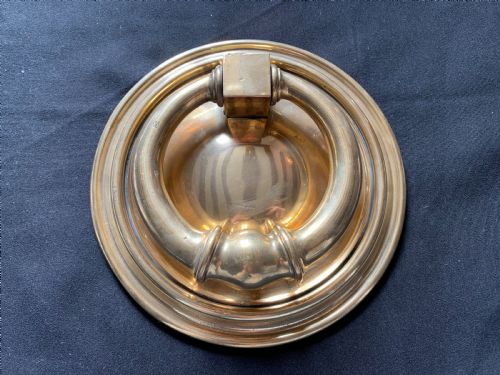
The selection here encompasses items from the Georgian and Regency periods alongside later Victorian interpretations and twentieth-century examples. You will frequently find brass knockers, ovular door knobs, and mechanical pull bells designed for period properties.
Materials and Construction
Metalworking dominates this category, utilising cast brass, solid brass, and bronze for knockers, handles, and pulls. Iron and steel appear in functional items such as box locks and keys, occasionally complemented by brass embellishments or horn.
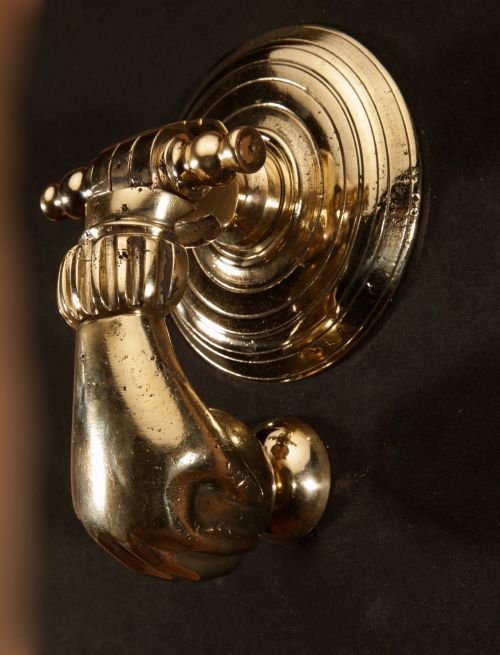
Joinery and timber work support the hardware, evidenced by solid oak box locks designed for heavy doors. Casting and hand-finishing methods shape the decorative wreaths, hands, and classical forms seen across the listings.
Listings feature items in brass, bronze, iron, and oak across Georgian, Regency, and Victorian periods.
Quality Variations
Material density and casting crispness separate the finer examples from standard production. Solid brass and heavy bronze castings retain sharper relief in decorative elements like laurel wreaths and classical mouldings compared to lighter alternatives.
Mechanical integrity defines the utility of locks and bell pulls. Complete sets retaining original keys, keeps, and operational internal mechanisms hold greater functional value for restoration projects.
The Georgian Door Hardware Glossary
- Box Lock
- A self-contained lock housed in a wooden or metal box fitted to the surface of a door rather than mortised inside. These units often include working keys and distinct brass embellishments.
- Centre Door Knob
- A fixed handle placed in the middle of a door rather than near the edge, typically used in pairs or singly to push or pull heavy entrance doors.
- Bell Pull
- A mechanical linkage mechanism featuring a handle or lever mounted on the exterior to ring a bell inside the house. Examples include ornate brass and horn assemblies.
- Finger Plate
- A flat protective plate mounted on the door surface around the handle area to prevent soiling of the timber. Single brass plates represent this group in period hardware.
Georgian Door Hardware: Frequently Asked Questions
How do I identify genuine period door hardware?
Examine the casting quality, weight, and material composition of the piece. Period items frequently show hand-finishing marks and heavier proportions in solid brass, bronze, or cast iron.
Check for matching historical manufacturing techniques and appropriate wear patterns consistent with age rather than artificial distress.
Can I use antique locks on modern exterior doors?
Many antique box locks remain fully functional and can be fitted to timber doors for daily use. Ensure you verify the dimensions and handing of the lock mechanism before installation.
Professional fitting may be required to align historical bolts and keeps with modern door frames securely.
What is a doctors knocker?
A doctors knocker is a specific vertical brass knocker style traditionally mounted on medical practitioners' doors to ensure a clear sound. These pieces often feature distinct proportions and mounting plates.
They serve as a recognised subcategory within classical brass door hardware and domestic metalwork.
How do I care for antique brass hardware?
Maintain brass and bronze surfaces by cleaning gently with a soft cloth to remove dust and environmental grime. Avoid harsh chemical polishes that strip historical patination and soften crisp casting details.
Preserving the natural surface finish enhances the visual character of period metalwork over time.