






Georgian Dining Table Centrepiece
A georgian dining table centrepiece anchors the dining surface with the presence of mahogany, silver or cut glass.
Georgian Dining Table Centrepiece
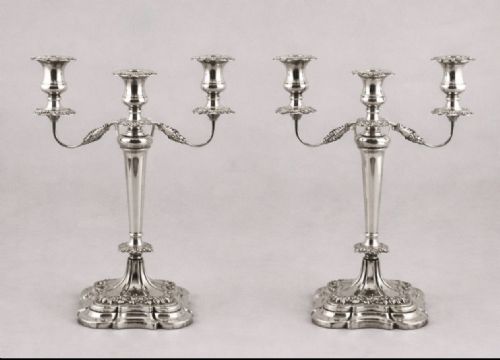
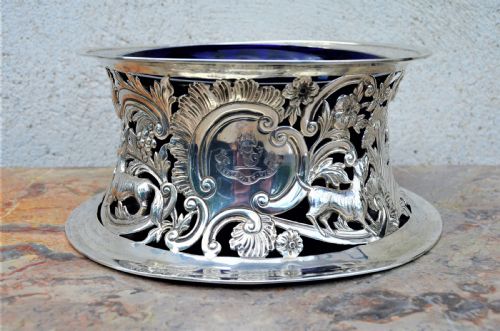
When you search for a georgian dining table centrepiece, you encounter items designed to occupy the middle of a dining surface during formal meals. The selection spans distinct forms originating from the eighteenth century onwards, including revolving lazy susans, cheese coasters, candelabra and epergnes.
The pieces appearing on this page range from solid and flame mahogany serving accessories to sterling silver and old Sheffield plate lighting fixtures. Makers and manufacturers from Georgian periods up to later revivals produced these works to hold food, condiments or light above the board.
How they were made
Makers fashioned wooden pieces from dense timbers like mahogany, often selecting flame mahogany veneer to create figured patterns on rotating lazy susans and cheese coasters. Joinery and turning formed the rotating mechanisms and circular frames required for table service.
Metal items relied on sterling silver or old Sheffield plate, a technique fusing a thin sheet of silver onto a copper base. Cut glass inserts and cast elements completed candelabra, epergnes and toast racks through silversmithing and glass-cutting traditions.
Georgian Dining Table Centrepiece Retail Price Guide 2026
Typical asking prices for georgian dining table centrepiece among the pieces listed under this phrase on Sellingantiques today, from the lower quarter to the upper quarter. They describe what is for sale here now, not the wider market.
What varies in quality
Quality rests upon the crispness of cast detail in silver or plate and the depth of figuring in mahogany timber. Superior examples exhibit harmonious proportions between glass components and their metal or wooden holders.
Age and original craftsmanship dictate the distinction between period items and later revivals. The retention of original glass inserts and unblemished silver plating separates the finest works from ordinary production.
James Dixon And Sons·Blagden Hodgson And Co
The Georgian Dining Table Centrepiece Glossary
- Old Sheffield Plate
- A composite material made by fusing a thin layer of silver to a copper core. This technique predates modern electroplating.
- Cheese Coaster
- A small, wheeled or stationary dish carriage designed to glide along the dining table surface. It held cheese or fruit within reach of guests.
- Lazy Susan
- A revolving tray placed on the table to assist with passing dishes. These items utilise wooden revolving pivots.
- Epergne
- An ornamental centrepiece featuring a central basket surrounded by smaller branches or dishes. It held fruit, flowers or sweetmeats.
Georgian Dining Table Centrepiece: Frequently Asked Questions
What is a georgian dining table centrepiece?
A georgian dining table centrepiece is an ornamental or serving object placed in the middle of a dining table. These items include silver candelabra, mahogany lazy susans, cheese coasters and glass epergnes.
Such pieces served functional roles during formal meals, holding food, condiments or candles while decorating the dining room.
How do I use a centrepiece today?
You can place a candelabra or epergne on a dining table or sideboard to create a focal point in a room. Wooden lazy susans and cheese coasters function well for serving items or displaying decorative objects.
Care should be taken with silver plate and old Sheffield plate surfaces by avoiding harsh abrasives during cleaning.
How do I date a mahogany piece?
Dating mahogany furniture involves examining the grain, construction methods and timber characteristics. Pieces from the eighteenth and early nineteenth centuries often display dense grain and hand-turned components.
Later revivals from the twentieth century show distinct manufacturing marks and tool signatures that differ from earlier work.
What is the difference between silver and plate?
Solid sterling silver consists of silver throughout the object, bearing hallmarks indicating metal purity and origin. Old Sheffield plate and silver plate involve a layer of silver over a base metal such as copper.
Examining edges and wear points often reveals the underlying base metal on plated items.