
Georgian Desk Table
When you search for a georgian desk table, you enter a world of practical writing furniture built for libraries, parlours and studies.
Georgian Desk Table
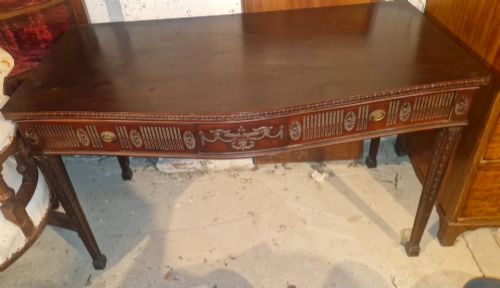
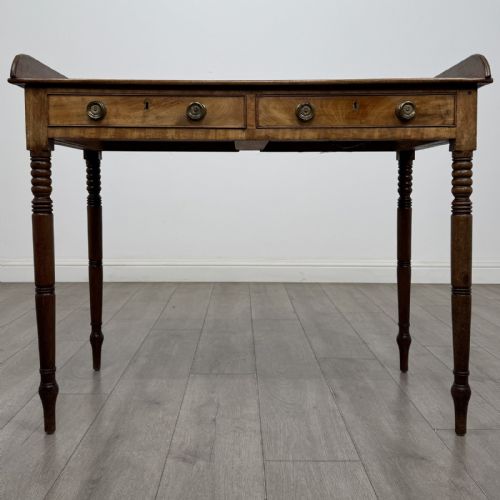
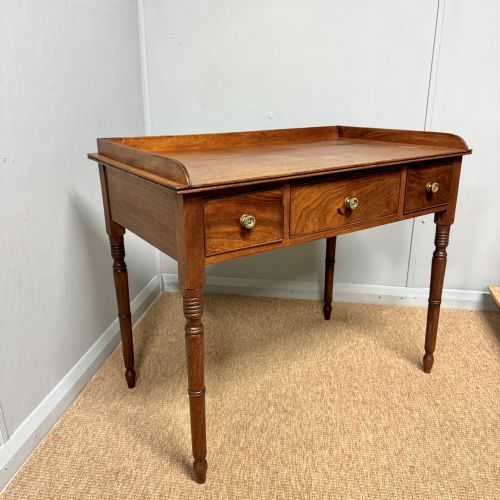
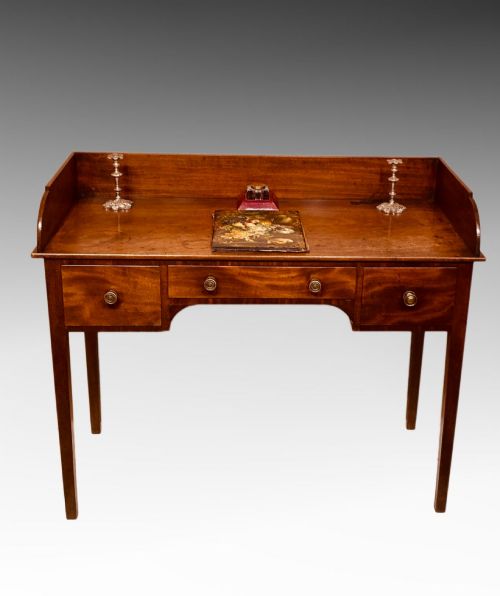
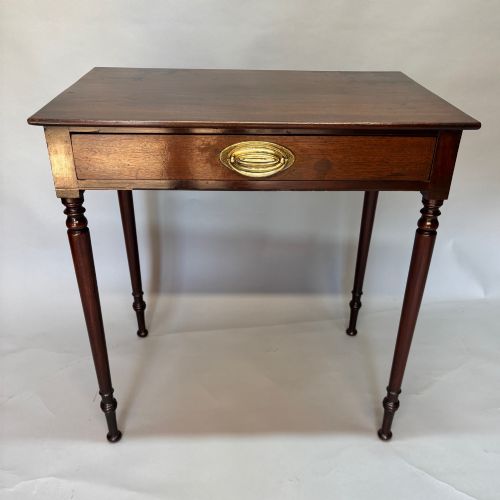
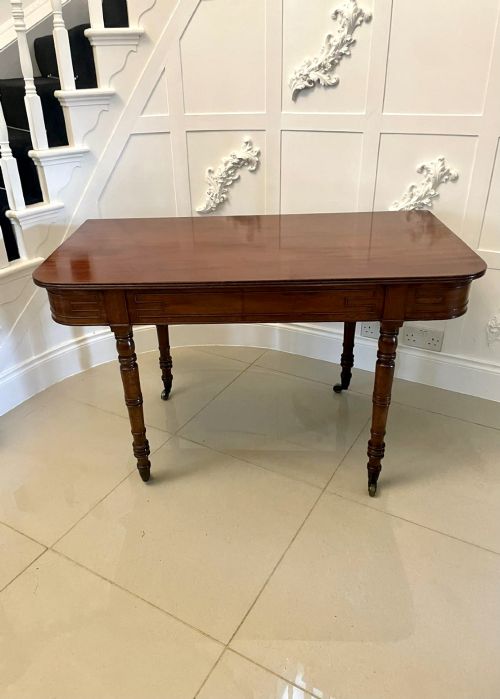
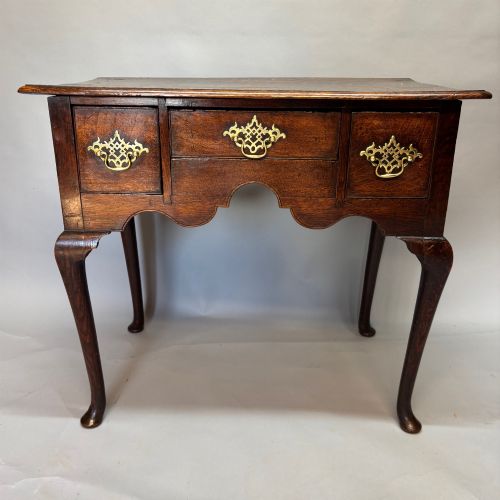
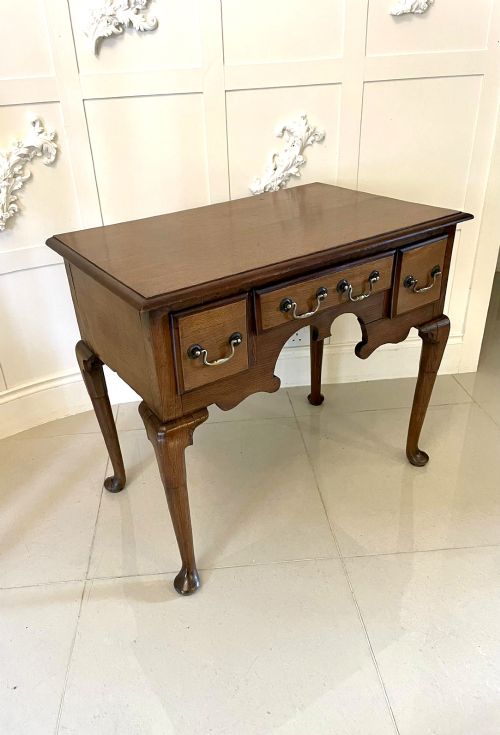
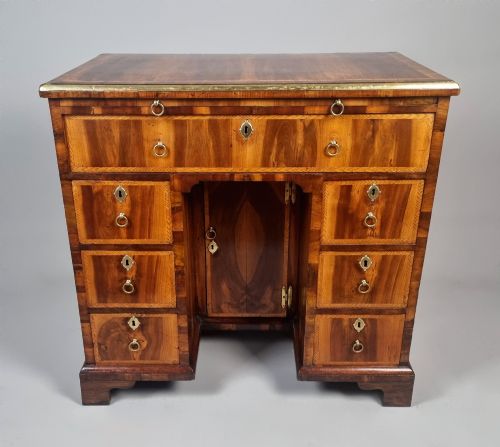
A georgian desk table bridges the functional demands of correspondence and the refined aesthetics of eighteenth and nineteenth-century cabinetmaking. You encounter side tables adapted for writing, kneehole desks, lowboys and daintier sofa tables designed for domestic use.
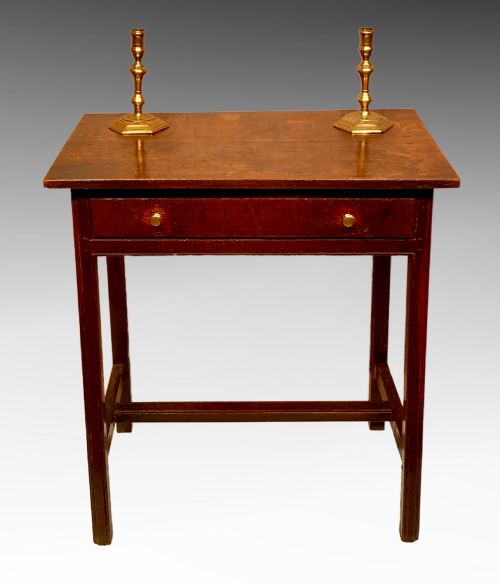
The versions most common on this page span the Georgian period itself, alongside later Regency interpretations and revival pieces from subsequent centuries. They appear in forms ranging from simple oak lowboys to substantial mahogany partners desks fitted with drawers.
Makers and workshops of the era produced these pieces to serve as portable writing slopes, dressing tables and library fixtures. Their adaptability meant a single form often served multiple domestic duties depending on the room it inhabited.
How they were made
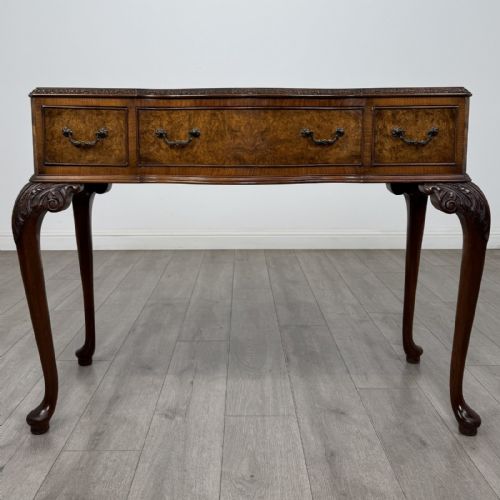
Cabinetmakers relied heavily on dense hardwoods, employing mahogany, oak and walnut as foundational structures. Finer examples incorporate veneers of burr walnut, satinwood and yew, matched symmetrically across drawer fronts and table tops.
Construction techniques involved traditional joinery such as dovetailing for drawer boxes and mortise and tenon frames. Brass hardware, including drop handles and escutcheons, alongside inset panels of leather, completed the functional design of the writing surface.
Listings feature items spanning the Georgian, Regency, and Edwardian periods, constructed in mahogany, oak, walnut, yew, and rosewood.
What varies in quality
The grade of timber selected for the primary surfaces and secondary carcases dictates much of the inherent value in these pieces. Figured grain patterns, choice veneers and solid secondary woods like oak distinguish finer specimens from utilitarian workshop output.
The crispness of hand-carved details, the neatness of dovetail joints and the retention of original brass fittings reveal the maker's original investment of time and skill. Structural integrity and untouched patination further separate standard items from exceptional survivals.
James Mein of Kelso·Gillows
The Georgian Desk Table Glossary
- Lowboy
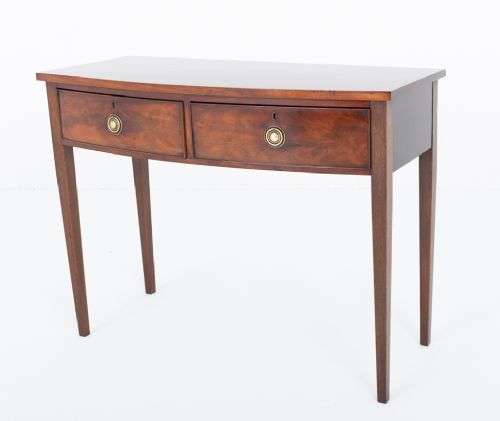
- A small table with one or more drawers, often used as a dressing table or writing desk during the eighteenth century. These pieces typically stand on slender cabriole or straight legs.
- Kneehole desk
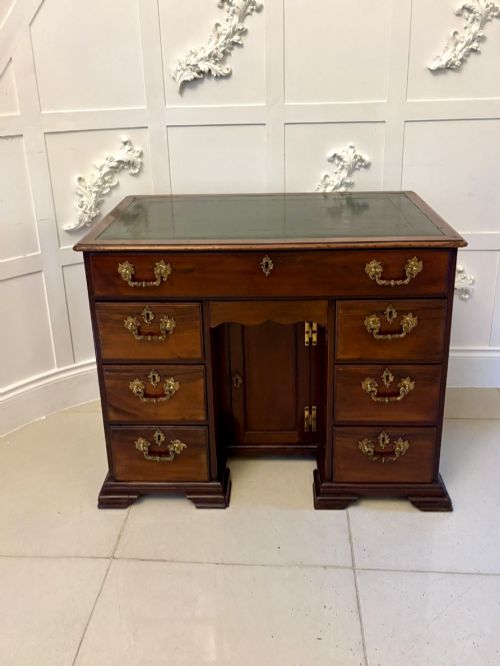
- A compact desk featuring a central recess for the user's legs, flanked by pedestals of small drawers. They offer substantial storage while maintaining a modest footprint.
- Sofa table
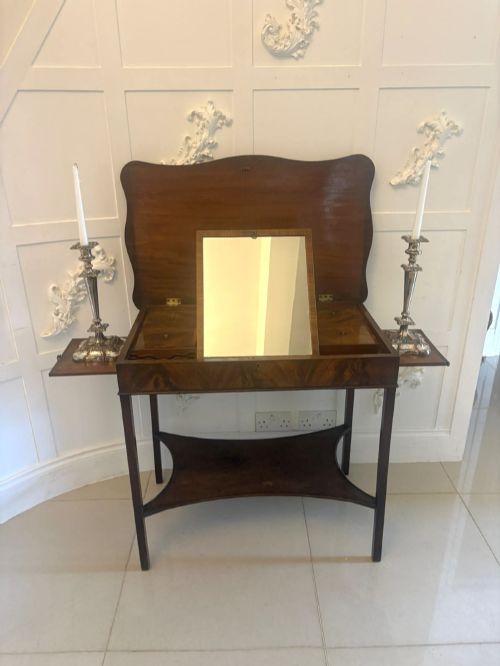
- A graceful, oblong table designed to stand in front of or beside a sofa, frequently featuring drop leaves at either end. Regency and Georgian examples often include small frieze drawers.
- Partners desk
- A large double-sided desk built with drawers and cupboards on both faces, allowing two people to work opposite one another. They frequently incorporate inset leather writing surfaces.
- Tambour
- A sliding shutter constructed from narrow strips of wood glued to a canvas backing, used to conceal pigeonholes and small drawers in specialised writing desks.
Georgian Desk Table: Frequently Asked Questions
What is the difference between a lowboy and a desk?
A lowboy is a compact table equipped with drawers, traditionally used for dressing or light writing, whereas a desk is specifically configured for extended clerical work with dedicated writing surfaces.
Lowboys tend to have taller, more slender legs and a shallower depth than standard pedestal or kneehole desks.
Where were these tables placed in a home?
These tables served multiple functions across different rooms, appearing in libraries, bedrooms as dressing tables, and drawing rooms as occasional writing surfaces.
Freestanding models were positioned to catch natural light from windows, while smaller side versions stood against hallway or parlour walls.
How do I identify a Regency piece from an earlier Georgian one?
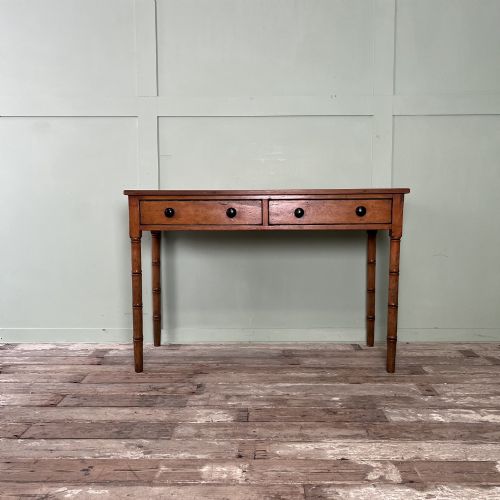
Regency pieces often display classical revival motifs, such as painted faux bamboo, brass inlay, or bolder rosewood veneers, reflecting early nineteenth-century tastes.
Earlier Georgian examples rely more on figured mahogany, walnut solids, and restrained carving styles like pad feet or bracket feet.
Are the leather inserts on the writing surfaces original?
Leather surfaces on writing tables and desks frequently required replacement over centuries of heavy use, though many period examples retain well-aged historical replacements.
Original leathers typically show deep patination, fine tooling around the borders, and signs of genuine wear consistent with the age of the timber carcase.