


Georgian Desk Lamp
A georgian desk lamp bridges historic side tables and lighting, offering practical illumination through period conversions and compact occasional tables.
Georgian Desk Lamp
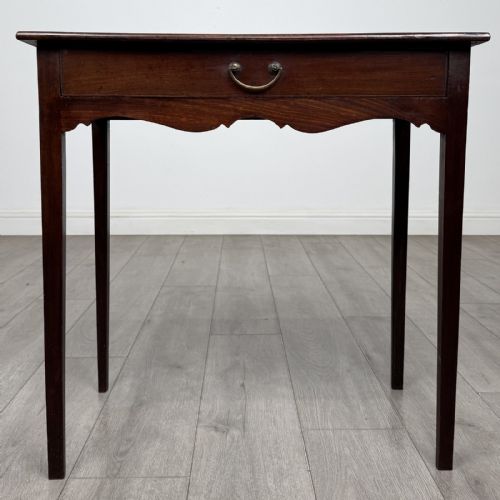
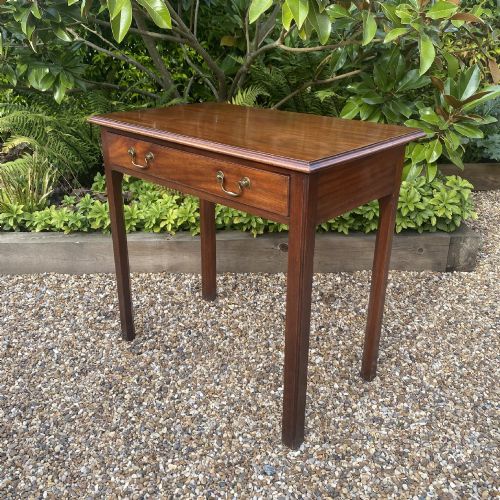
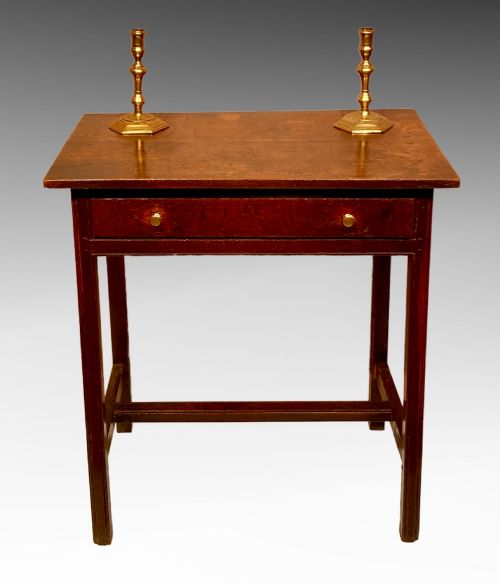
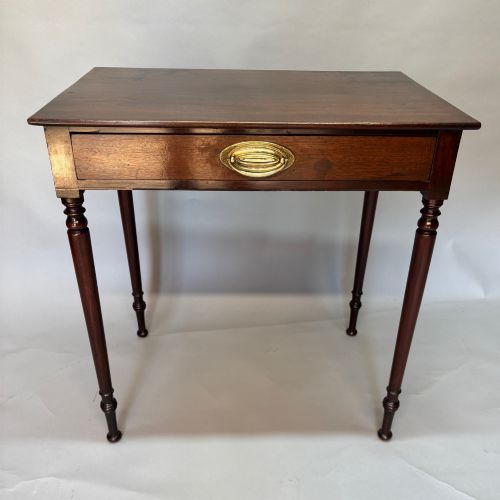
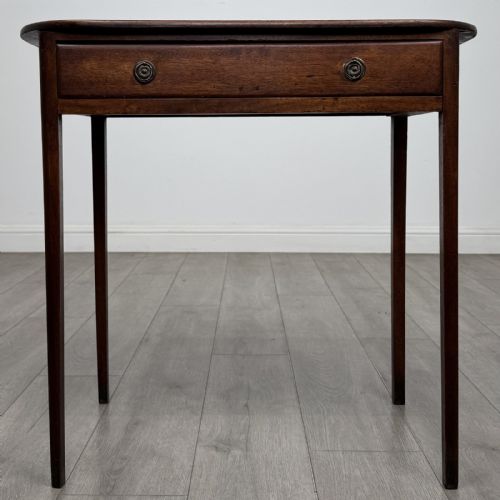
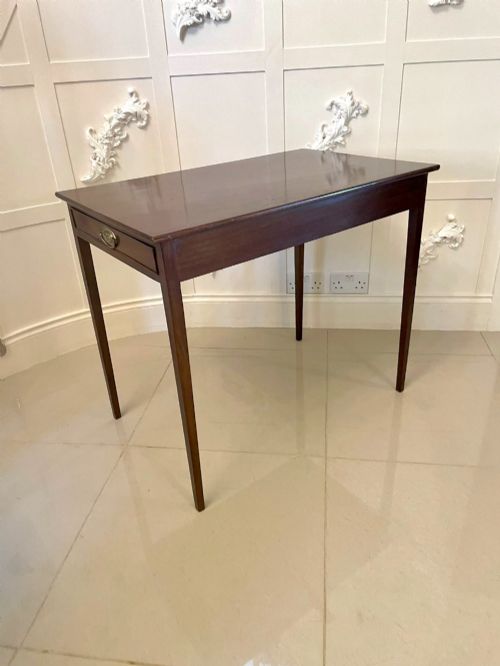
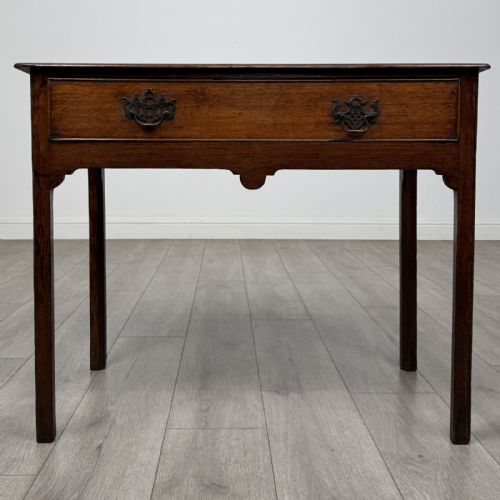
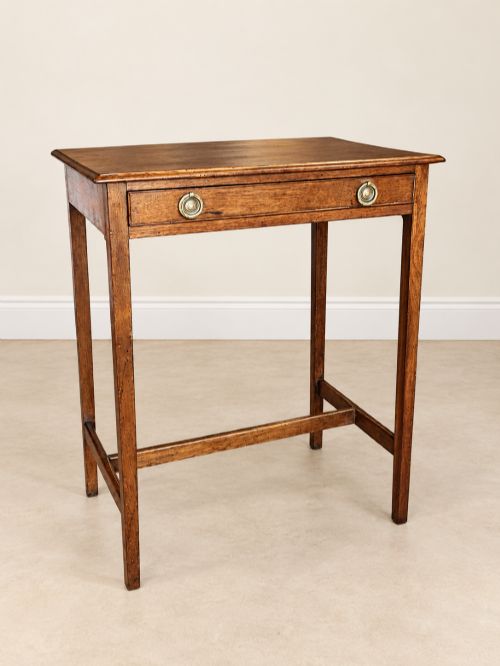
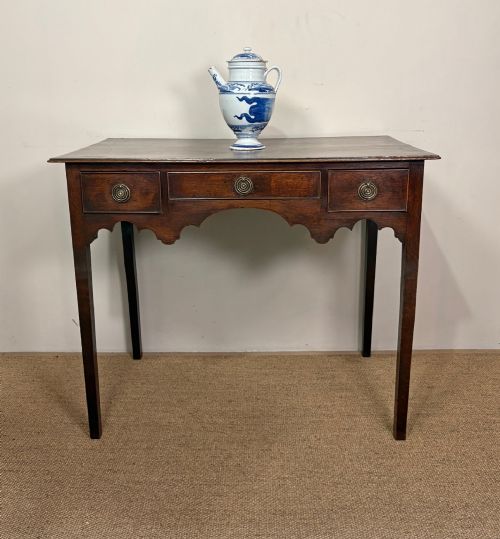
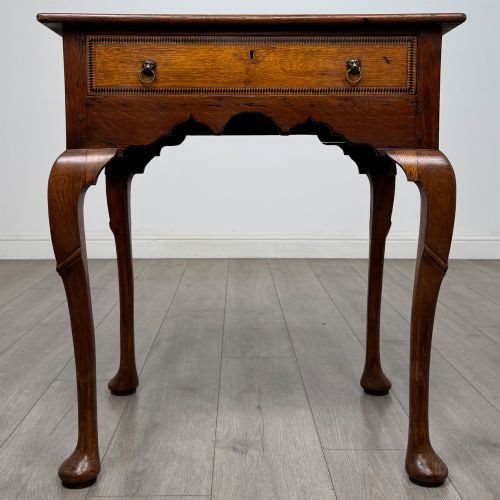
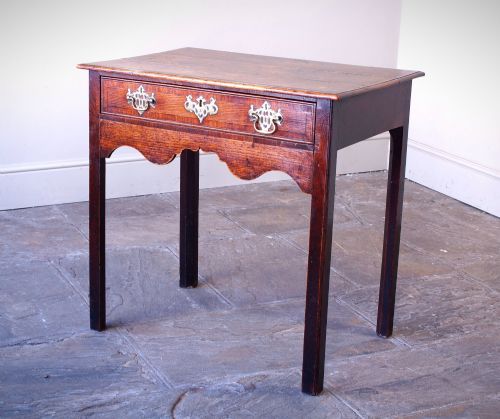
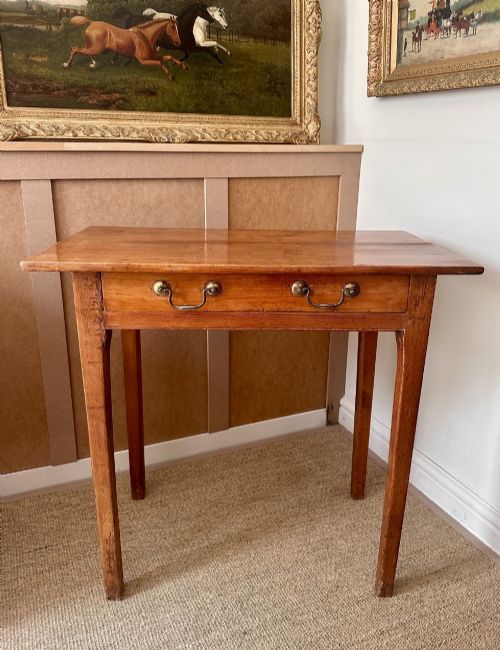
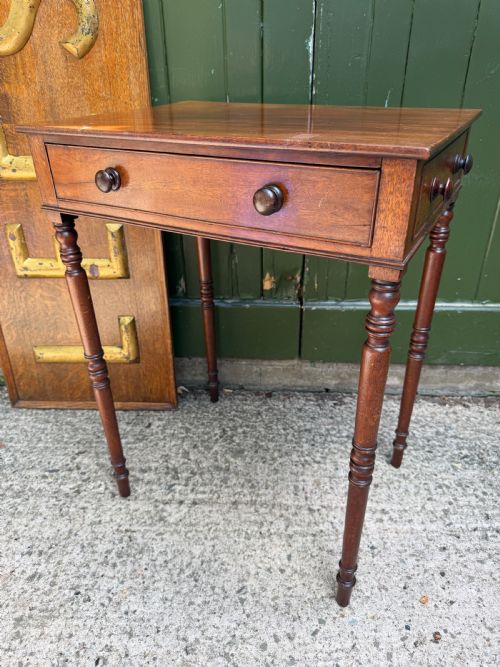
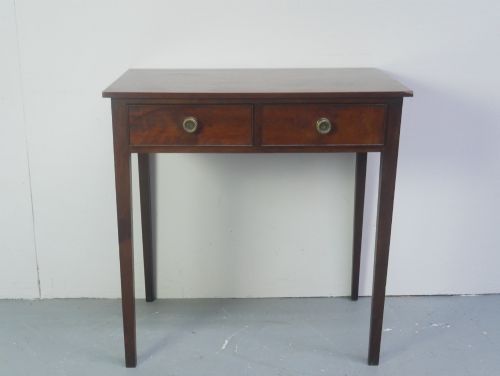
When you search for a georgian desk lamp, you encounter side tables, lowboys, and lamp conversions originating from the eighteenth and nineteenth centuries. These pieces encompass oak, mahogany, and elm formats originally built for domestic utility, now serving as characterful surfaces for modern illumination.
You are most likely to meet compact oak and mahogany side tables alongside nineteenth-century bronze and ormolu lamp conversions. These items reflect traditional English country and formal George III aesthetics, combining drawers and shaped tops with functional lighting.
How they were made
Cabinetmakers utilised solid timbers such as oak, mahogany, elm, and burr walnut, frequently constructing tables with single drawers and freestanding rectangular forms. Joinery relied on traditional techniques suited to domestic furniture production.
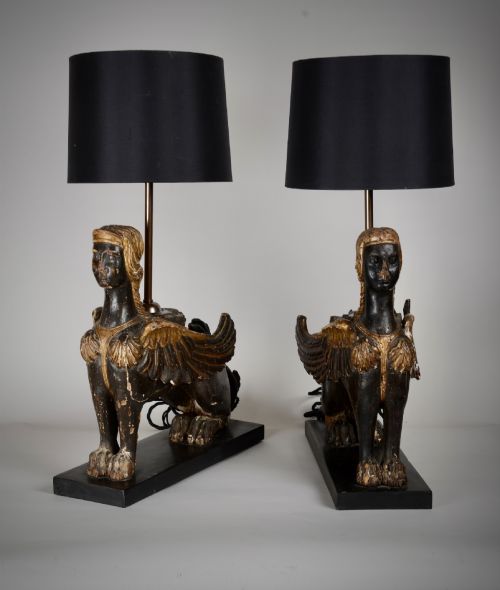
Metal components incorporate cast bronze and ormolu, while converted items integrate older vases and sculptural figures like sphinx or Atlas motifs. These materials demonstrate period metalworking and wiring adaptations.
Georgian Desk Lamp Retail Price Guide 2026
Typical asking prices for georgian desk lamp among the pieces listed under this phrase on Sellingantiques today, from the lower quarter to the upper quarter. They describe what is for sale here now, not the wider market.
Sphinx and Atlas figures shoulder the burden of illumination in surviving nineteenth-century lamp conversions.
What varies in quality
The distinction between tiers rests on timber selection, such as figured mahogany or well-patinated eighteenth-century oak versus plain pine. Proportion and the crispness of mouldings or drawer construction also separate standard utility items from finely drawn examples.
In lamp conversions and mounted pieces, the precision of the bronze casting and the integrity of the original object dictate the overall standard. Superior items display harmonious proportions and uncompromised structural material.
The Georgian Desk Lamp Glossary
- Lowboy
- A small domestic table with one or more drawers, typically supported on four slender legs. These low tables served various writing and dressing functions in eighteenth-century rooms.
- Ormolu
- Gilded bronze applied to decorative objects and furniture mountings. This technique creates rich metallic highlights characteristic of formal nineteenth-century pieces.
- Pembroke table
- A small occasional table featuring two hinged drop leaves on opposing sides. It offers adjustable surface area suited to versatile domestic placement.
- Satinwood
- A pale, highly figured timber utilised in refined cabinetmaking, particularly during revival periods. Its lustrous grain provides a striking contrast to darker woods.
Georgian Desk Lamp: Frequently Asked Questions
What is a georgian desk lamp?
A georgian desk lamp typically refers to period side tables, lowboys, or antique lamp conversions utilised as task or surface lighting.
These pieces combine eighteenth or nineteenth-century woodwork and bronze castings to provide functional illumination with historic character.
How were these tables used?
Original side tables and lowboys functioned as writing surfaces, dressing tables, or general utility stands in country houses and formal rooms.
Over time, many of these compact wooden forms and sculptural mounts have been adapted to support modern lighting.
How do I live with these items?
Placing these compact tables and lamps in a study or sitting room introduces practical surface area and warm historic lighting.
Their modest footprints allow them to integrate easily beside modern seating or heritage desks.