



Georgian Cutlery Set
A georgian cutlery set brings functional elegance to the dining table, pairing period craftsmanship with enduring silver and steel utility.
Georgian Cutlery Set
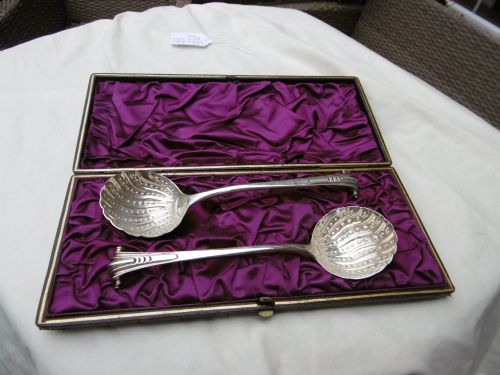
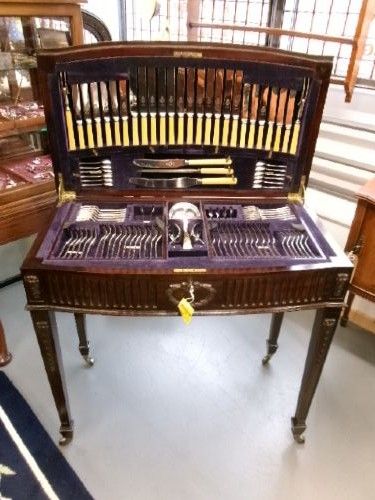
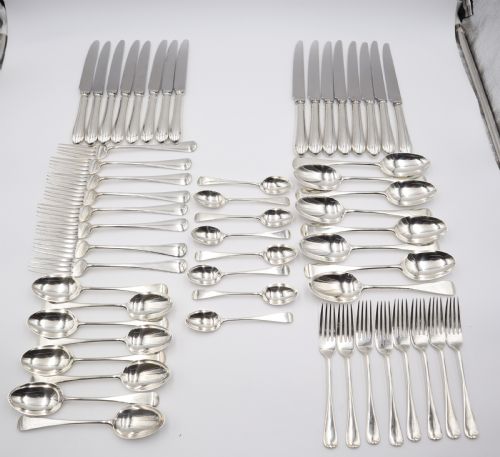
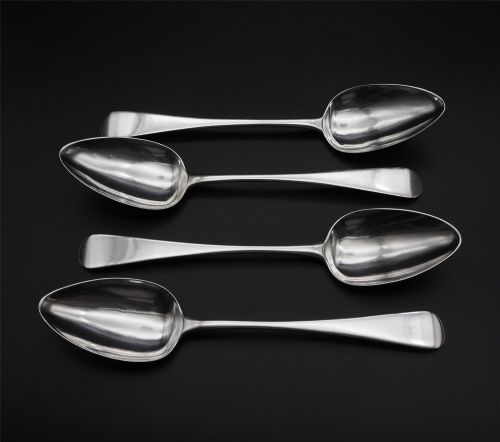
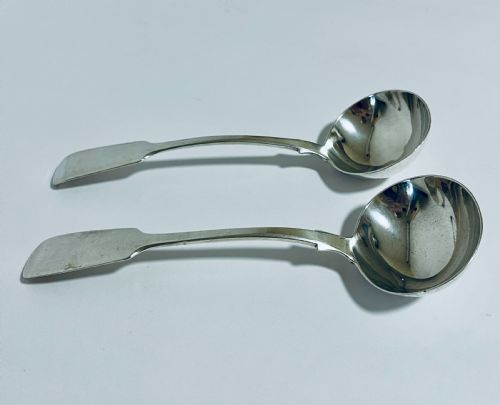
A georgian cutlery set encompasses matched or assembled groups of eating and serving utensils originating primarily from the 18th century and early 19th century. Buyers encounter service components ranging from dessert forks and tablespoons to complete canteens housing forks, spoons and knives.
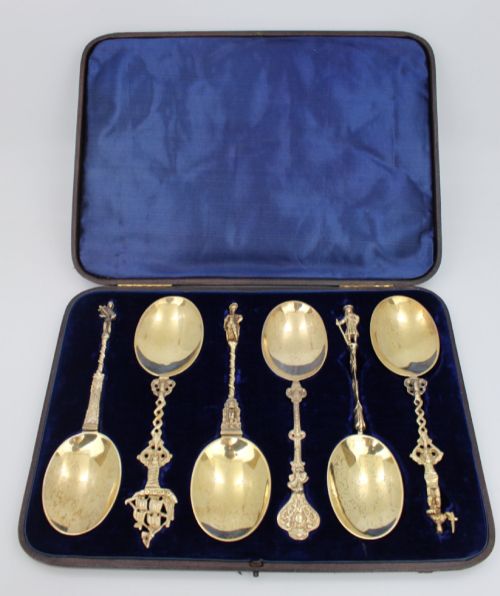
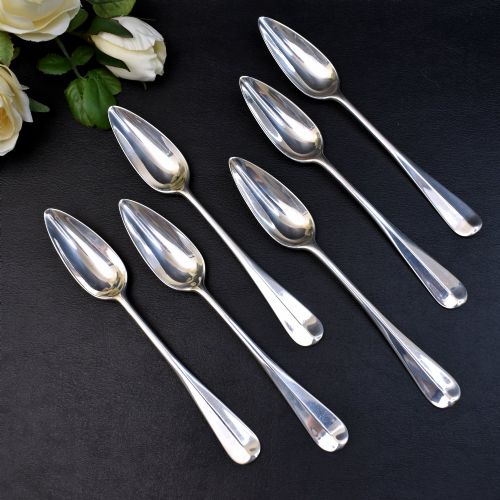
The selections span individual place settings, boxed presentation sets, and specialised implements like basting spoons and grapefruit spoons. Many forms reflect specific dining customs of the period, executed in sterling silver, steel, or plated metals.
How they were made
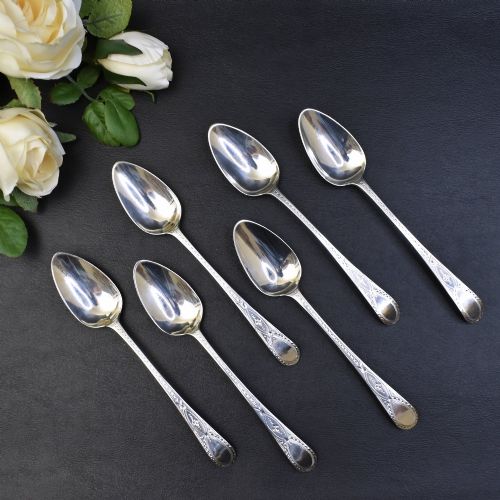
Makers utilised sterling silver and durable steel for the working components, frequently pairing them with handles fashioned from mother-of-pearl, horn, agate, or burr walnut. Many silver items feature hand-engraved bright-cut decoration or crisply struck maker marks and assay stamps.
Fitted storage cases incorporate protective linings of velvet, leather, and silk to safeguard the polished surfaces. Construction techniques combine traditional silversmithing methods with specialised cutler forging for blades and tines.
Georgian Cutlery Set Retail Price Guide 2026
Typical asking prices for georgian cutlery set among the pieces listed under this phrase on Sellingantiques today, from the lower quarter to the upper quarter. They describe what is for sale here now, not the wider market.
Listings feature sterling silver, silver plate, steel, and horn objects spanning the Georgian, Victorian, and Art Deco periods.
What varies in quality
The standard of execution depends on the crispness of the original chasing, engraving, and pattern work, such as Hanoverian or Old English motifs. Weight and gauge of the metal also dictate durability and feel in the hand.
The integrity of matched groupings and the presence of original fitted cases or presentation boxes influence desirability. Retained hallmarks and clear maker attribution elevate specific examples above standard production pieces.
Hamilton and Inches·E Coker·John Locker·Bateman·Elkington and Co
The Georgian Cutlery Set Glossary
- Sterling silver
- A silver alloy containing 92.5 percent pure silver and 7.5 percent other metals, typically copper, chosen for strength and lustre. This standard forms the basis of most high-grade antique eating utensils.
- Bright-cut
- An engraving technique utilising faceted V-cut grooves that reflect light from multiple angles. It creates brilliant geometric and floral borders on spoons and forks.
- Hanoverian pattern
- A popular 18th-century flatware style featuring a distinct ridge down the centre of the stem and a upturned terminal. It provides a comfortable grip during formal dining.
- Canteen
- A fitted box, chest, or case designed to house a complete set of cutlery securely. These enclosures often feature individual slots lined with velvet or silk.
- Basting spoon
- A large serving implement utilised for transferring pan juices during meat preparation or service. These extended utensils often feature ornate crests or shell motifs.
Georgian Cutlery Set: Frequently Asked Questions
How do I clean antique silver cutlery?
Use a soft microfiber cloth and a mild, non-abrasive silver cleaner formulated for antique pieces. Avoid harsh scrubbing brushes that can wear away delicate hallmarks or bright-cut engraving.
Store the items in dry, tarnish-resistant environments or fitted velvet-lined canteens when not in use. Regular, gentle maintenance preserves the natural patina accumulated over centuries.
Can I use these sets for dining today?
Many silver spoons, forks, and knives remain entirely functional for modern dining and special occasions. Sterling silver and steel utensils handle everyday use well if washed by hand promptly after meals.
Avoid putting antique cutlery into automatic dishwashing machines, as harsh detergents and high heat damage organic handles like mother-of-pearl, horn, and wood.
What does a matched set mean?
A matched set consists of pieces sharing identical patterns, maker marks, and stylistic periods, even if assembled over time. Silversmiths often gathered complementary spoons and forks to create harmonious service groupings.
Original factory sets share uniform hallmarks and wear patterns, whereas assembled matched sets demonstrate careful curation by collectors and dealers.
How do I identify the date of manufacture?
Examine the stamped hallmarks on silver items, which typically include maker initials, assay office symbols, and date letters. British silver bears specific stamps that pinpoint the exact year of creation.
Stylistic cues such as 3-pronged forks, Hanoverian terminals, and bright-cut engraving also help narrow the manufacturing era to the Georgian or Victorian periods.