




Georgian Crystal Tableware
Georgian crystal tableware brings brilliant sparkle to the table, offering heavy cut glass vessels designed for salt, sugar, and condiments.
Georgian Crystal Tableware
When you search for georgian crystal tableware, you are looking at functional table accessories made from heavy lead crystal and cut glass. These pieces include salt cellars, sugar casters, condiment jars, celery vases, and finger bowls.
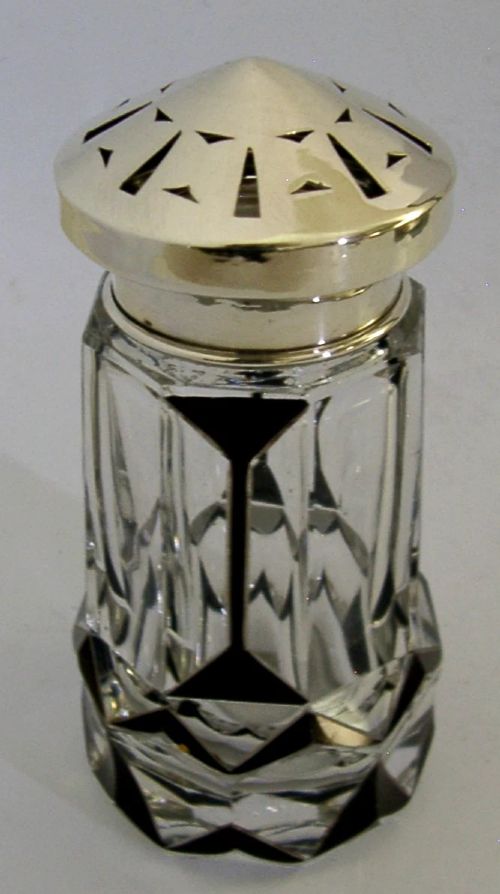
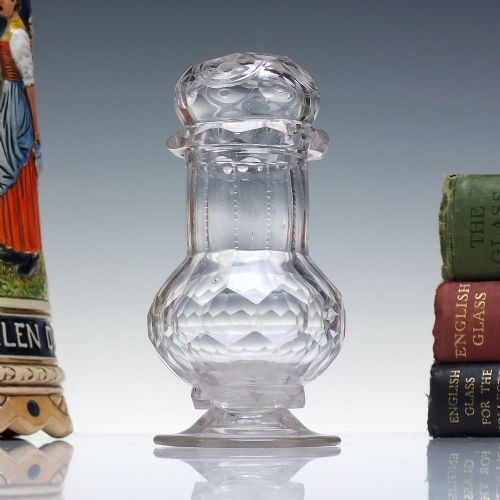
The most common versions met on this page are salt cellars and sugar casters dating from the Georgian, Regency, and 18th-century periods. Many feature crisp cut facets, engraved motifs, or fitted sterling silver mounts.
Makers and retailers like Asprey & Co. occasionally appear alongside unmarked domestic pieces from the late 18th and 19th centuries. The forms range from simple screw-foot casters to matched trios of salts with draped swag designs.
How they were made
These items rely on lead crystal and heavy glass blanks shaped by blowing or pressing. Artisans then applied deep wheel-cut facets, geometric patterns, and fine linear engraving directly to the surface.
Silver components such as collars, lids, and sifters were manufactured separately in sterling silver, sometimes incorporating colourful enamel details. Metal mounts were then fitted securely to the glass bodies.
Georgian Crystal Tableware Retail Price Guide 2026
Typical asking prices for georgian crystal tableware among the pieces listed under this phrase on Sellingantiques today, from the lower quarter to the upper quarter. They describe what is for sale here now, not the wider market.
Listings feature lead crystal and cut glass forms spanning the eighteenth and nineteenth centuries, including works associated with Asprey & Co.
What varies in quality
The distinction between standard utility items and superior pieces rests on the crispness of the cutting and the weight of the metal. Sharp, deep facets reflect light cleanly, while softer edges indicate heavier wear or simpler production.
Completeness alters the character of the piece, particularly where original matching saucers, screw feet, or hallmarked silver covers remain intact. Integrated sets such as matched trios or larger groups of finger bowls demand closer attention to uniformity across the whole group.
Asprey & Co.
The Georgian Crystal Tableware Glossary
- Lead crystal
- Glass containing lead oxide, which increases weight, brilliance, and refractive index. This material allows for deeper and sharper facet cutting.
- Sugar caster
- A perforated vessel used for sprinkling sugar over food. These often feature screw-foot mechanisms and sterling silver tops.
- Salt cellar
- A small open bowl or container placed on the dining table for holding salt. Examples frequently appear as matched trios or pairs with draped swag designs.
- Finger bowl
- A small bowl filled with water used for rinsing fingers between courses during formal meals. They appear in sets dating from the nineteenth century.
- Celery vase
- A tall vessel designed specifically to display celery upright on the dining table. These standing forms utilise thick crystal walls to support the height.
Georgian Crystal Tableware: Frequently Asked Questions
What is georgian crystal tableware used for?
These items served functional dining roles such as holding salt, dispensing sugar, storing preserves, and rinsing fingers. They were standard accessories on formal dining tables during the eighteenth and nineteenth centuries.
Today, collectors use them both as decorative display items and for practical dining purposes. Their durable lead crystal construction allows them to handle continued use.
How do I date georgian crystal tableware?
Dating relies on identifying cutting styles, form characteristics, and accompanying materials such as sterling silver mounts or enamel work. Eighteenth-century pieces often feature specific mechanical joints like screw feet.
Broader nineteenth-century production introduced wider ranges of table glass including engraved rinsers and matched celery vases. Comparing the weight and clarity of the glass provides further clues to the period.
Are sterling silver mounts common on these pieces?
Sterling silver frequently appears on sugar casters, sifters, and preserve pots as lids, collars, or fitted hardware. These metal elements were often hallmarked, providing reliable dates of manufacture.
Items like salt cellars and finger bowls more commonly rely purely on glass or crystal without added metal components.
How should I care for antique crystal?
Antique crystal requires gentle hand washing in warm water using mild detergent. Avoid sudden temperature changes to prevent thermal shock and potential cracking of the heavy glass.
Keep silver components polished separately to prevent tarnish transfer onto the surrounding crystal surfaces.