


Georgian Cream Boat
A georgian cream boat brings eighteenth-century elegance to the table, offering a graceful vessel for serving cream with unmatched historical charm.
Georgian Cream Boat
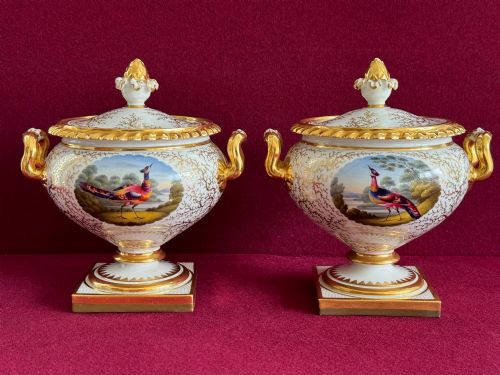
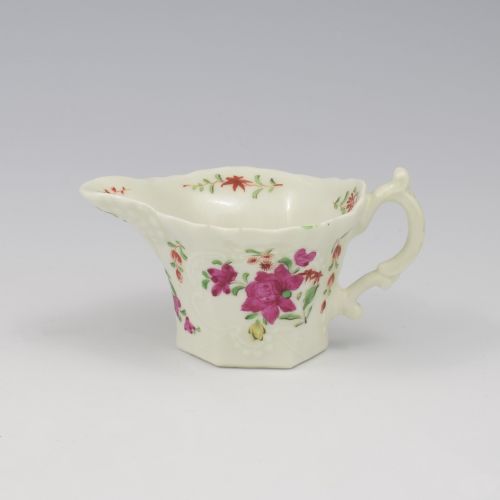
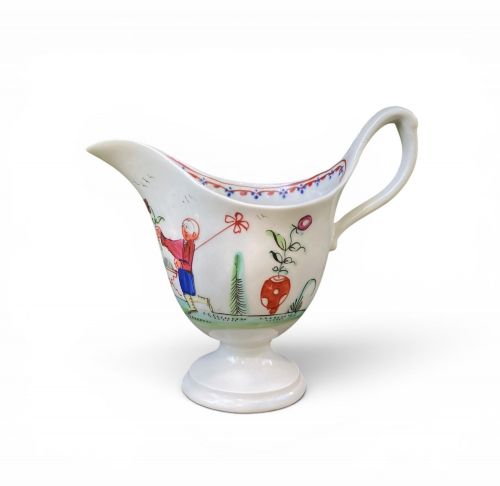
When searching for a georgian cream boat, a buyer encounters a refined selection of small ceramic and silver tableware vessels from the eighteenth and early nineteenth centuries. These pieces encompass cream jugs, sauce boats, sauce tureens, and specialised dolphin ewer cream boats designed for pouring cream at the dining table.
The versions most commonly met on this page range from delicate soft-paste porcelain examples decorated with botanical motifs to robust earthenware and gleaming sterling silver pieces. Originating across Georgian, Regency, and Edwardian periods, they reflect diverse stylistic developments from neoclassical restraint to exuberant rococo forms.
How they were made
Potters utilised soft-paste porcelain, pearlware, and earthenware, shaping them into distinctive forms such as hexagonal bodies and lamprey-handled dolphin ewers. Artisans applied intricate hand-painted designs, including botanical studies and numbered patterns, before firing the ceramics in kilns.
Silversmiths hammered and shaped sterling silver into vessels like cream pails and jugs, employing traditional metalsmithing techniques. These silver pieces often feature detailed hallmarks and maker's marks that record their origins.
Listings feature items spanning the eighteenth century through the Edwardian period, incorporating materials from enamel and gold leaf to sterling silver and soft-paste porcelain.
What varies in quality
The standard of modeling and moulding distinguishes exceptional examples from simpler wares, particularly in complex forms like dolphin ewers and moulded handles. Crispness of detail in the relief work and the precision of hand-painted porcelain decoration indicate the skill of the original maker.
The choice of material and the preservation of surface finish influence the character of each piece. Superior silver items display balanced proportions and clear silversmith marks, while fine ceramics retain the integrity of their original glaze and enamel colouring.
John Mackfarlan·New Hall·H & R Daniel·Derby Porcelain
The Georgian Cream Boat Glossary
- Soft-paste porcelain
- An artificial porcelain composition fired at lower temperatures than hard-paste, common in early English factories. It produces a warm, slightly creamy body with distinctive glaze pooling.
- Pearlware
- A refined earthenware developed in the late eighteenth century featuring a subtle bluish glaze that pooled in recesses. It was widely used to imitate more expensive Chinese porcelain.
- Dolphin ewer
- A specialised vessel shape featuring a handle formed as a scrolling sea creature or fish. This aquatic motif appeared frequently on eighteenth-century cream boats.
- Sauce tureen
- A covered container designed for serving warm or cold sauces at the table. These pieces often matched larger dinner services and sat upon fixed or detachable bases.
- Sterling silver
- An alloy of silver containing ninety-two point five percent silver and seven point five percent other metals, usually copper. It provides durability while maintaining a bright metallic lustre.
Georgian Cream Boat: Frequently Asked Questions
What is a georgian cream boat used for?
A georgian cream boat served as a table vessel for pouring fresh cream into tea or coffee during formal dining and social gatherings. Their compact size and pouring lips made them practical for individual placement around the table.
Over time, these pieces transitioned from functional dining implements into collectible display objects. Today, owners often utilise them as decorative cabinet pieces or small flower vases.
How do I care for antique porcelain cream boats?
Antique porcelain requires gentle hand washing in warm water with mild soap. Avoid abrasive sponges or harsh detergents that can damage delicate enamel decoration and historic glaze.
Keep these vessels away from extreme temperature fluctuations and direct sunlight to protect their colours. Display them on stable surfaces where they will not be knocked or dropped.
How do I distinguish pearlware from porcelain?
Pearlware is a refined earthenware body that appears slightly heavier and more opaque than porcelain. Examining the base often reveals a characteristic bluish tint in the glaze where it pools around the foot ring.
Porcelain, particularly soft-paste varieties, transmits more light when held up to a bright source. It also tends to feel smoother and lighter in the hand than earthenware alternatives.
What styles characterise these cream boats?
The pieces display prominent stylistic shifts ranging from asymmetrical rococo flourishes to balanced neoclassical symmetry. Makers incorporated classical motifs, botanical paintings, and marine themes such as dolphin handles.
Later Regency designs favored bolder gadroon borders and vibrant colour palettes. These stylistic changes help historians date individual pieces accurately.