




Georgian Couch
A Georgian couch brings formal elegance and generous proportions to a room, offering enduring comfort through classic woodwork and tailored upholstery.
Georgian Couch
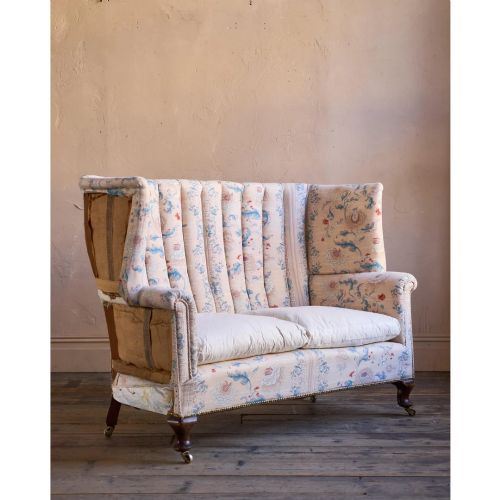
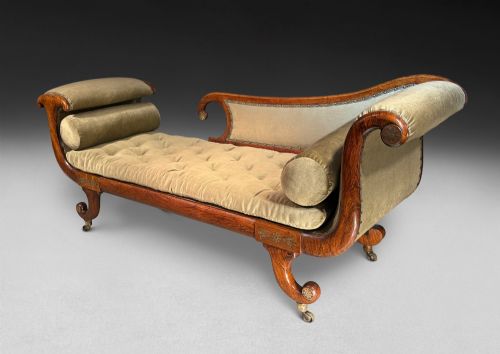
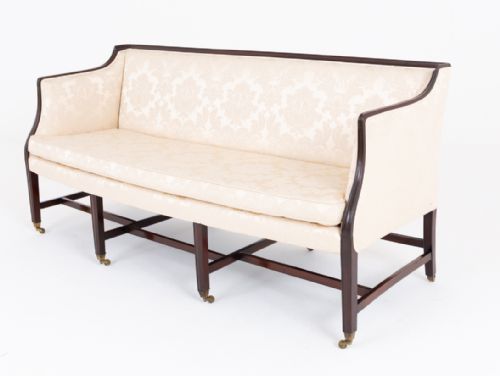
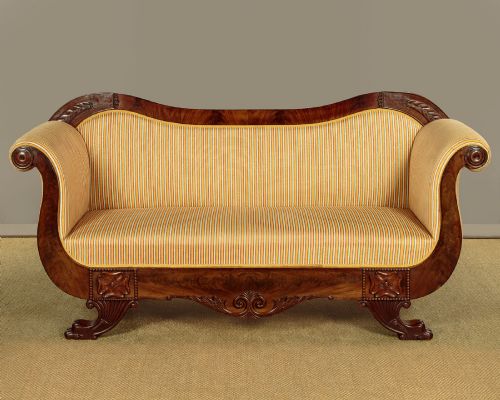
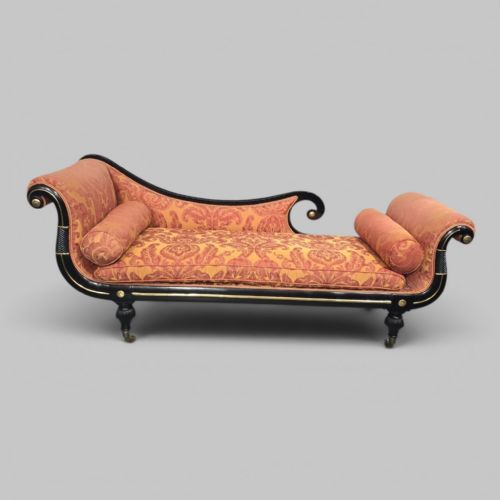
A georgian couch represents a sophisticated seating form spanning the eighteenth and nineteenth centuries, taking the shape of large settees, scroll-end couches, and refined chaise longues. Buyers seeking this furniture typically encounter mahogany or rosewood frames paired with traditional upholstery fabrics, spanning genuine period examples and later revivals.
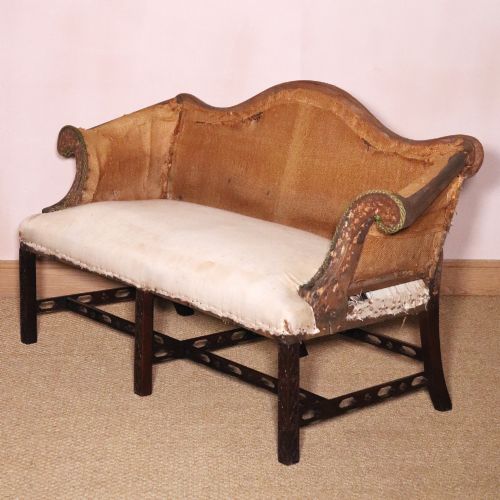
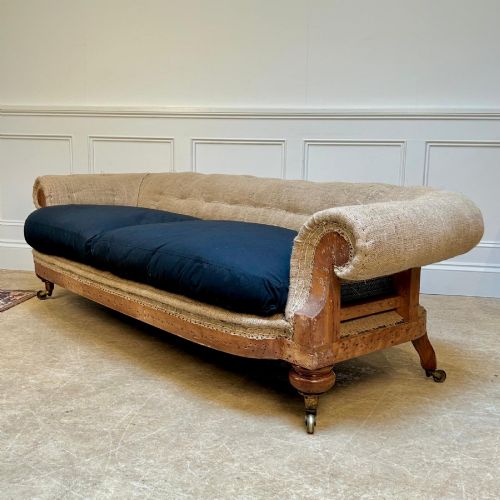
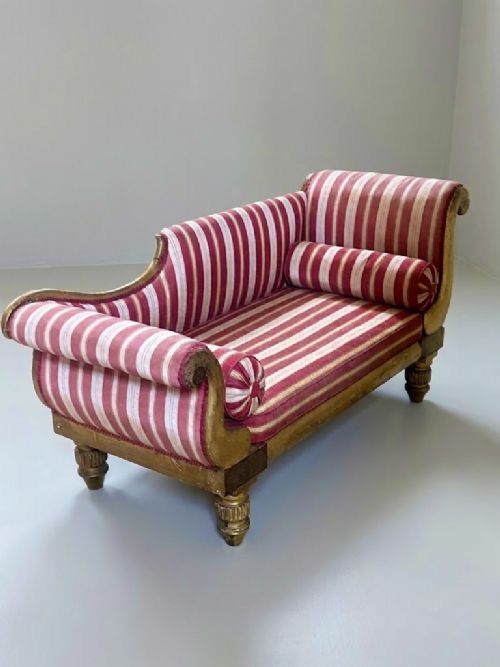
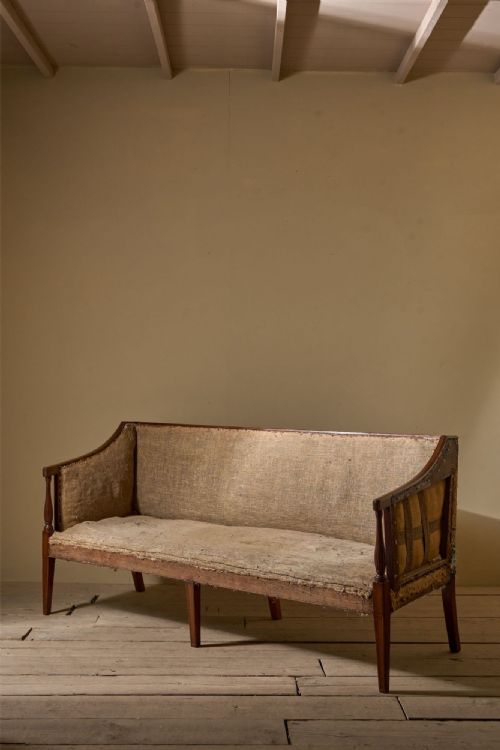
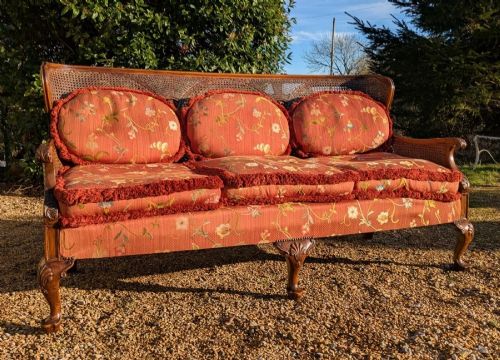
The selection ranges from early eighteenth-century walnut settees to Regency scroll-end couches and nineteenth-century country house sofas. Many pieces display distinct regional or stylistic traits, including camel-back profiles, fluted wingbacks, and brass inlay.
Makers and workshops of the period utilised robust native and exotic timbers to construct frames designed for formal entertaining and daily repose. Surviving examples often retain their original proportions, whether built as straight settees or asymmetrical daybeds.
Construction and Materials
Cabinetmakers built these frames primarily from solid mahogany, walnut, and simulated rosewood, employing traditional joinery to ensure structural integrity across broad spans. Timber selection dictated the weight and carved detail of each sofa, from restrained George III lines to opulent Regency giltwood.
Upholstery relied on traditional stuffing methods using materials such as hessian, horsehair, and feathers, enclosed in damask, silk, or modern textiles. Brass inlay and decorative mounts frequently enhanced the polished wood surfaces of Regency and William IV pieces.
Georgian Couch Retail Price Guide 2026
Typical asking prices for georgian couch among the pieces listed under this phrase on Sellingantiques today, from the lower quarter to the upper quarter. They describe what is for sale here now, not the wider market.
Many nineteenth-century scroll-end couches were designed specifically for daytime resting in grand country house libraries.
Judging Quality
Quality rests in the crispness of the timber carving, the integrity of the frame construction, and the fidelity of the proportions. Superior pieces maintain robust structural joints and balanced silhouettes without undue timber shrinkage.
The treatment of secondary woods and the sophistication of decorative elements, such as brass inlay or carved scroll ends, separate standard workshop output from exceptional country house commissions.
Miles and Edwards·Gillows
The Georgian Couch Glossary
- Chaise Longue
- An upholstered chair with a seat long enough to support the legs, combining the functions of a seat and a daybed. These pieces often feature a single raised end for reclining.
- Camel Back
- A sofa back featuring a graceful, continuous convex curve resembling a camel's hump. This profile became a hallmark of eighteenth-century seating design.
- Bergere
- An enclosed upholstered armchair or sofa with wooden framing and exposed woodwork. It typically incorporates cane work or tight fabric panels on the sides and back.
- Giltwood
- Timber treated with gold leaf or gold paint to produce a brilliant metallic surface. This finish appeared predominantly on high-status Regency and formal reception furniture.
- Scroll End
- A couch or sofa arm curved outward and downward in a tight scroll formation. This silhouette defines many Regency and nineteenth-century daybed designs.
Georgian Couch: Frequently Asked Questions
How do I identify a genuine period couch?
Examine the timber construction, tool marks on secondary woods, and the ageing of the frame joints. Period pieces exhibit hand-cut joinery and timber patination consistent with centuries of use.
Compare the proportions and decorative motifs against documented examples from the eighteenth and nineteenth centuries to confirm stylistic accuracy.
What is the difference between a settee and a chaise longue?
A settee provides a wide seat with a backrest and two arms designed for multiple people to sit upright. It maintains a symmetrical form suitable for formal rooms.
A chaise longue incorporates an elongated seat for reclining, often featuring one raised end or an asymmetrical back. It serves a semi-private function for resting during the day.
How should I care for antique upholstery and wood?
Protect wooden frames from direct sunlight and extreme temperature fluctuations to prevent timber splitting. Dust regularly with a dry, soft cloth and avoid chemical polishes.
Vacuum fabric upholstery gently using a low-suction attachment. Consult a specialist conservator for deeper textile cleaning or structural frame repairs.
Can I use a historic couch in a modern interior?
These pieces integrate well into contemporary spaces by providing a strong focal point and contrasting textures against minimal decor. Their classic silhouettes anchor modern living rooms and studies effectively.
Ensure the scale of the sofa matches the room dimensions and allows comfortable clearance for surrounding furniture.