

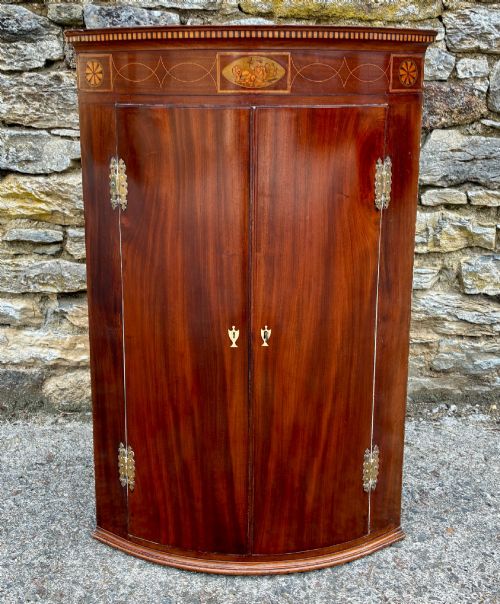
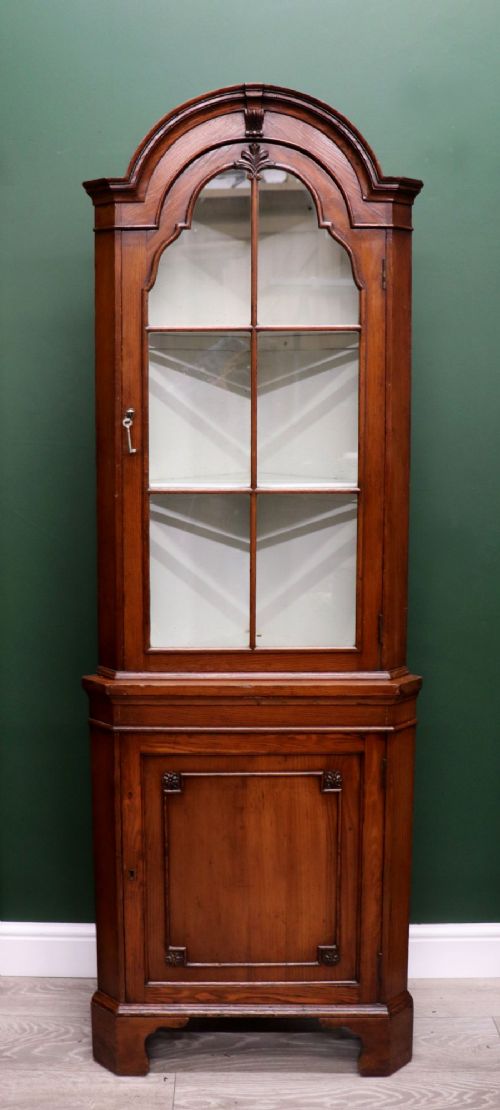
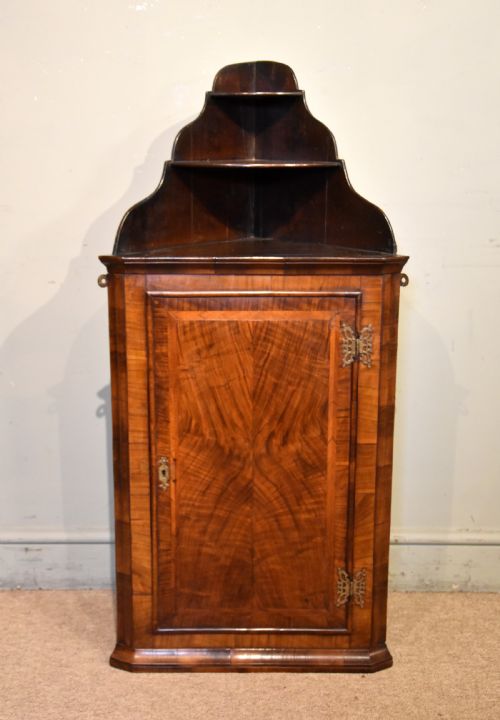
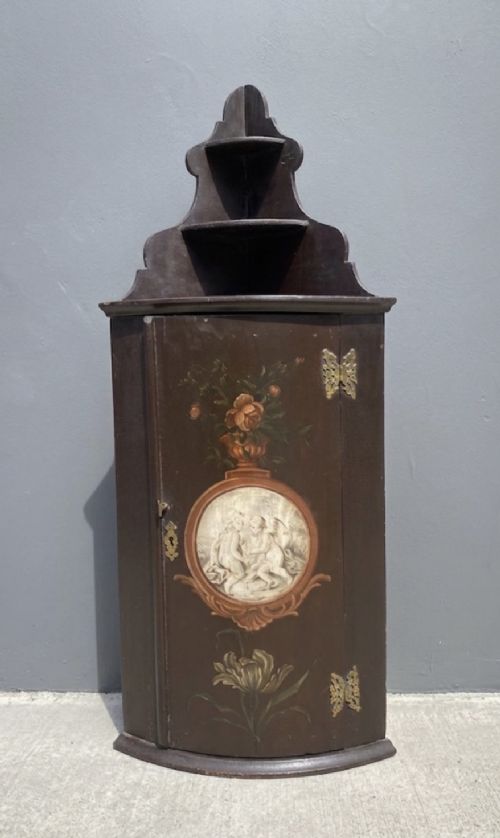

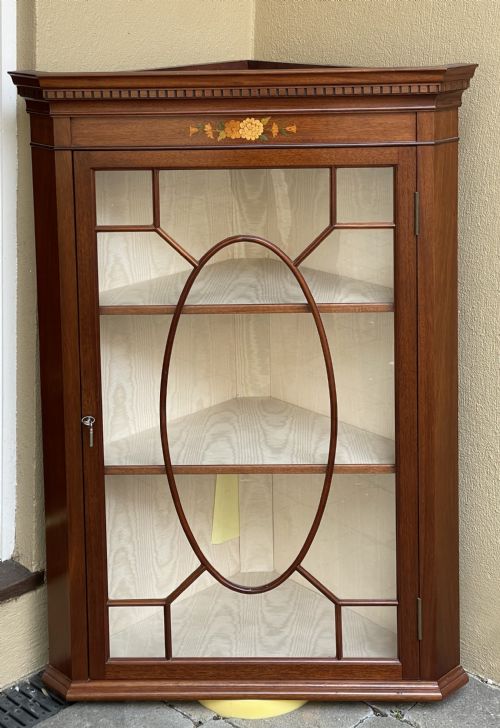


Georgian Corner Display Unit
A georgian corner display unit makes use of overlooked domestic space while bringing warmth and character to a room.
Georgian Corner Display Unit
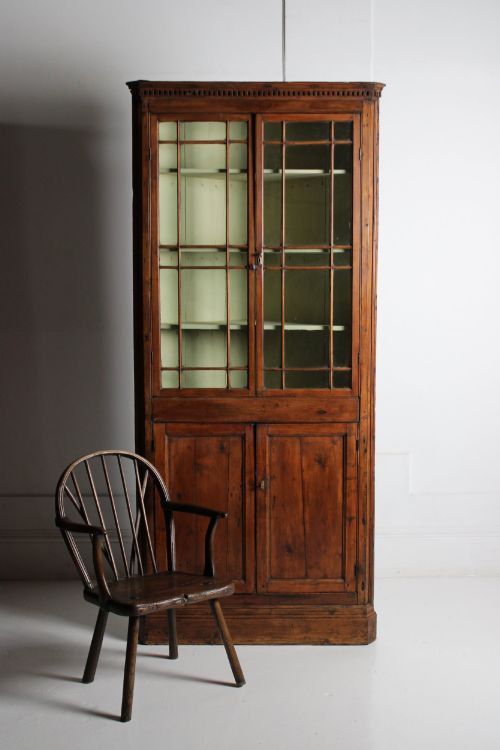
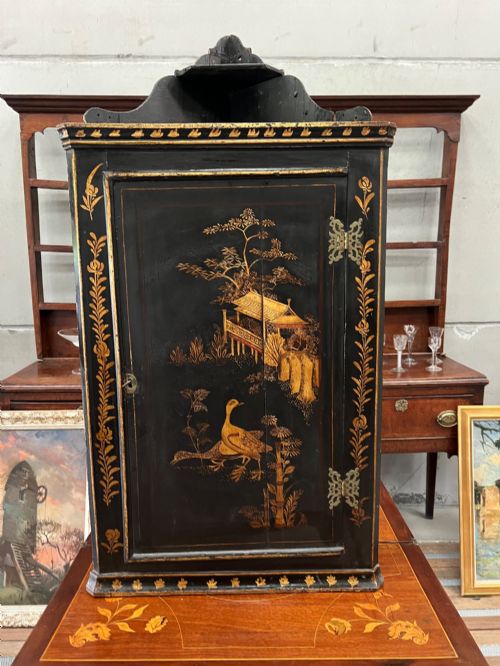
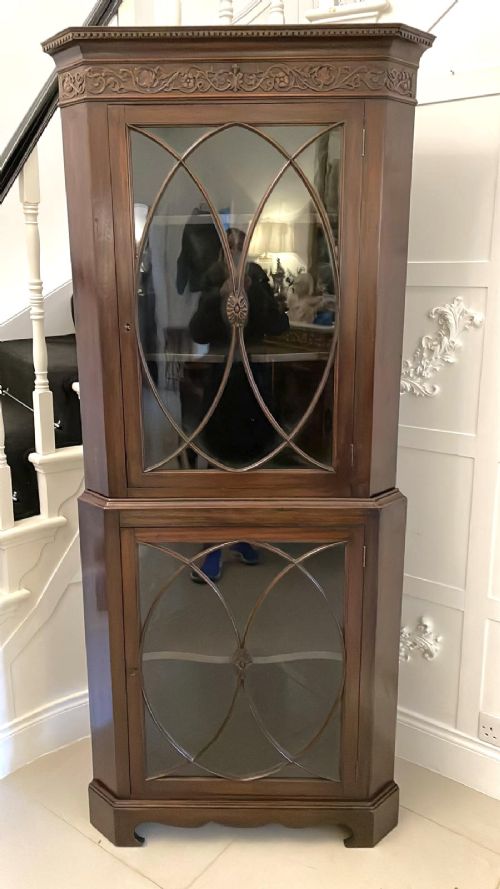
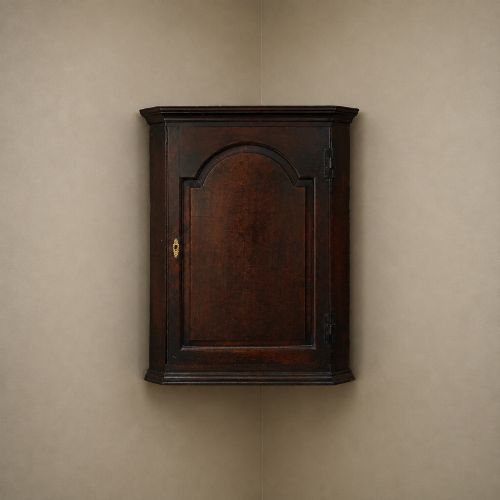
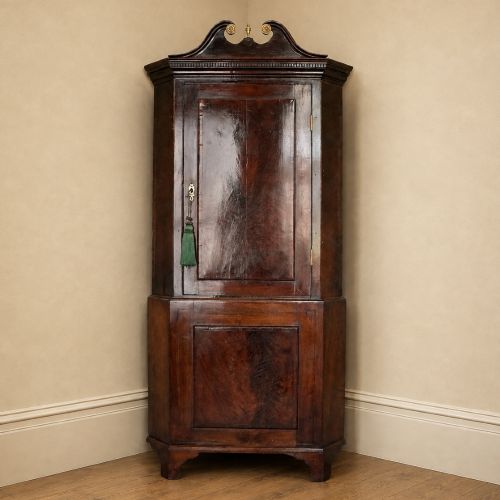
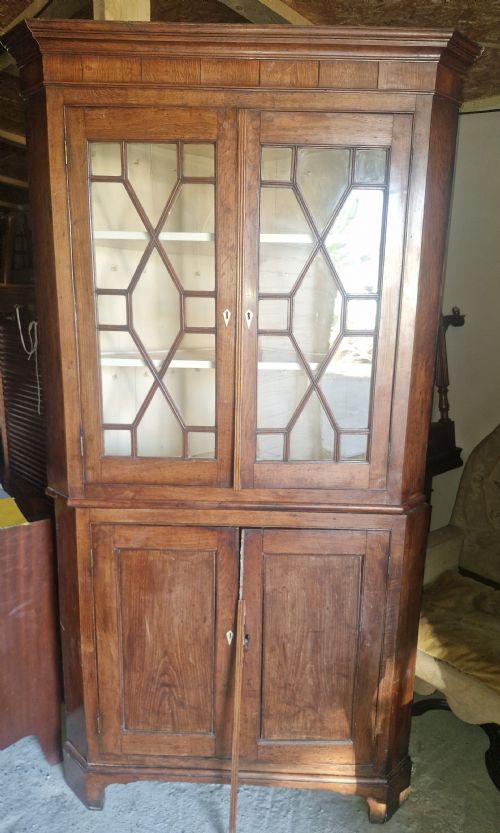
A georgian corner display unit brings architectural presence to unused room angles, appearing primarily as wall-hanging or floor-standing corner cupboards from the eighteenth and nineteenth centuries. These pieces utilise timber to fit snugly into room corners, often split into two parts for easier movement.
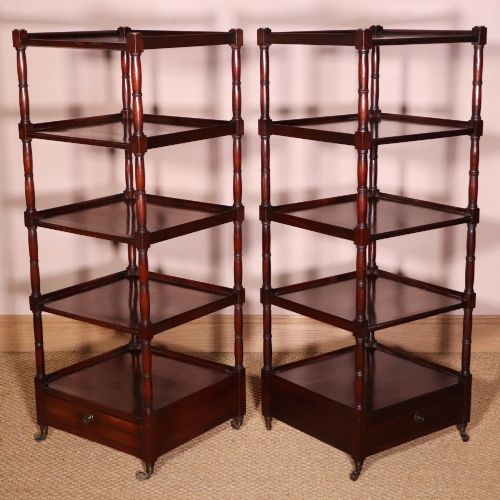
The selections span distinct periods, ranging from genuine Georgian items to later Edwardian and revival interpretations. Alongside traditional cupboards, the listings include related forms such as whatnots, etageres and open corner shelves designed for display.
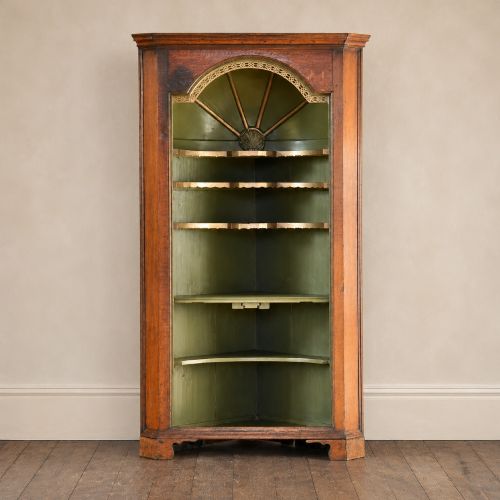
Woods vary from native oak and walnut to imported mahogany, frequently augmented by glass doors or painted surfaces. Buyers encounter barrel-backed interiors, bow fronts and broken arch pediments that denote formal placement in period interiors.
Materials and Construction
Cabinet makers relied heavily on solid timbers such as mahogany, oak and walnut, often selecting Cuban mahogany or burr walnut for figured grain patterns. Pine and painted wood served as structural bases or for pieces finished with original paint, red chinoiserie or simulated oak effects.
Glazing techniques involve astragal bars dividing glass panes to showcase interior shelves, while brass fittings secure doors and panels. Inlaid marquetry and fine carving add decorative contrast to the primary timber surfaces of floor-standing and wall-hanging units.
Georgian Corner Display Unit Retail Price Guide 2026
Typical asking prices for georgian corner display unit among the pieces listed under this phrase on Sellingantiques today, from the lower quarter to the upper quarter. They describe what is for sale here now, not the wider market.
Listings feature mahogany, oak, walnut and pine, spanning the eighteenth to the twentieth centuries.
Judging Quality
Quality rests on the selection of timber and the crispness of architectural details such as astragal glazing bars and broken arch pediments. Superior examples exhibit well-figured mahogany or burr walnut alongside proportionate construction that integrates harmoniously with the room.
The integrity of original surfaces, whether polished mahogany, painted finishes or brass hardware, dictates the desirability of a piece. Finer cabinets maintain balanced proportions across two-part forms and barrel backs without heavy structural alterations.
The Georgian Corner Display Unit Glossary
- Astragal glazed
- Glass doors divided into smaller panes by narrow wooden bars. These glazed frames allow porcelain or glass collections to be displayed safely.
- Barrel back
- A curved interior back panel designed to fit a circular corner configuration. This shape mirrors the curve of the exterior cabinet frame.
- Etagere
- A set of open shelves used for displaying small ornaments or books. They appear in freestanding formats alongside traditional corner cupboards.
- Whatnot
- A multi-tiered stand used for storage and display in domestic rooms. These pieces share floor space with corner cabinets across several periods.
Georgian Corner Display Unit: Frequently Asked Questions
What is a corner cupboard?
A corner cupboard is a storage piece specifically built with a triangular footprint to fit directly into the corner of a room. These units maximise spatial efficiency while offering display or enclosed storage.
Versions range from small wall-hanging models to tall two-part floor-standing cabinets constructed from mahogany, oak or walnut.
How do I style a corner unit?
Placing a corner unit into a neglected room angle draws the eye upward and introduces historical character. Glass-fronted doors allow ceramics or glassware to be arranged securely on the internal shelves.
Open etageres and whatnots provide lighter alternatives for displaying smaller decorative objects without enclosing them behind wooden or glass doors.
How do I date a cabinet?
Dating relies upon timber selection, construction methods and stylistic markers such as pediments and glazing patterns. Eighteenth-century pieces often feature solid oak or early mahogany construction with hand-cut joinery.
Later Edwardian and revival examples replicate these earlier Georgian forms while utilising machine-sawn timber or different interior framing.
Are all corner cabinets tall?
Cabinets vary significantly in height, spanning compact wall-hanging versions and substantial two-part floor-standing furniture. Wall-hanging cupboards attach directly to wall studs to sit above tables or seating.
Tall floor-standing designs extend from the floor upwards, sometimes split into upper and lower sections for transport.