



Georgian Condiment Pot
These Georgian condiment pot examples bring functional elegance to the table, offering versatile vessels for mustards and seasonings.
Georgian Condiment Pot
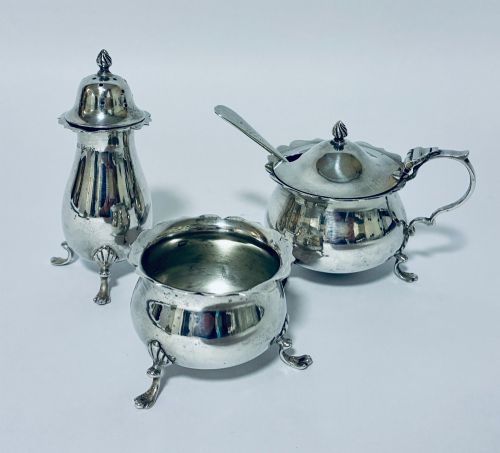
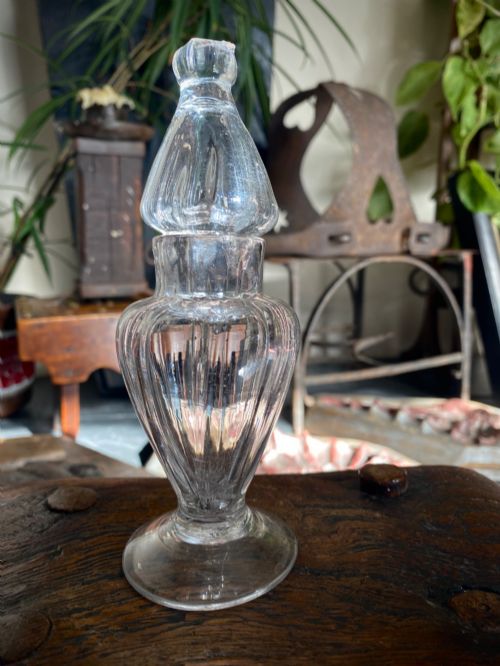
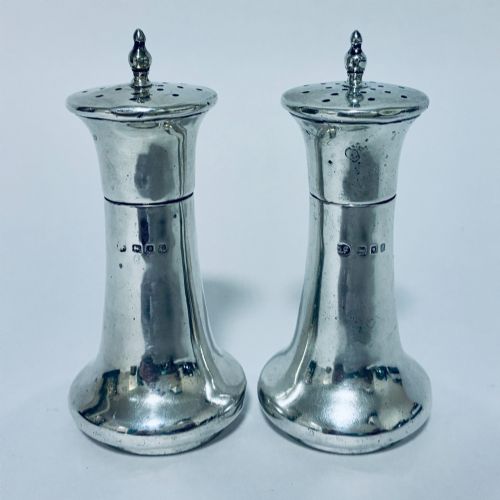
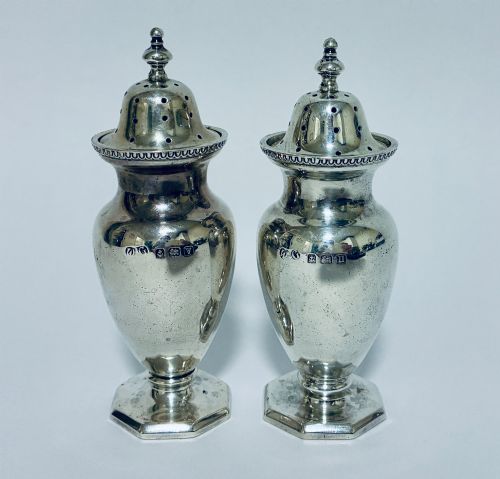
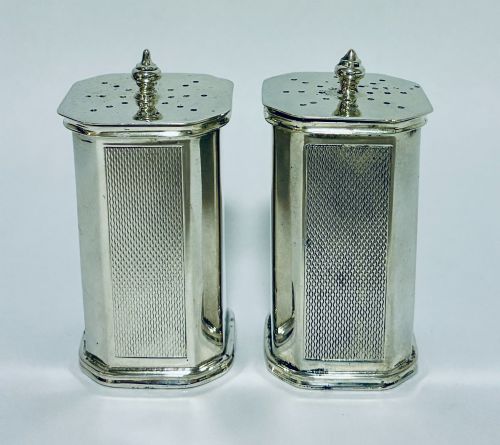
A georgian condiment pot serves as a traditional table vessel designed for holding mustards, salts, peppers, and preserves during meals. When exploring this selection, buyers encounter various forms including mustard pots, salt cellars, and pepper casters spanning the Georgian era and subsequent revival periods.
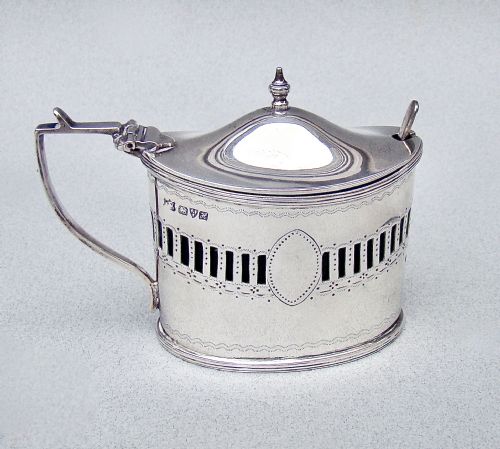
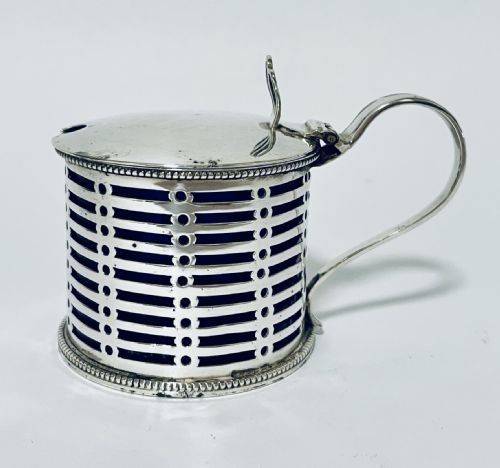
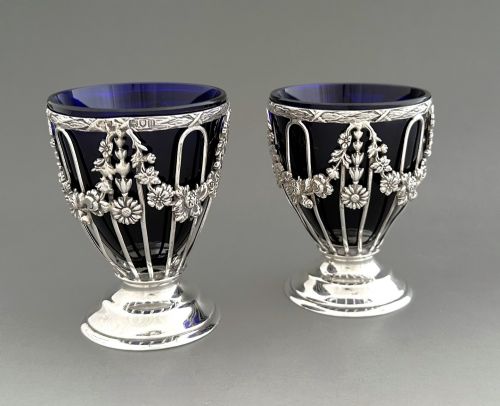
The objects frequently appear in sterling silver and lead glass, often accompanied by blue liners or delicate wirework frames. Most pieces date from the eighteenth and nineteenth centuries, alongside Edwardian and Georgian Revival interpretations that maintain classic proportions.
Materials and Making
Makers utilised sterling silver and heavy lead glass, shaping the metal through smithing and casting while forming the glass via hand-blowing and cutting techniques. These materials combine to create durable tableware intended for frequent dining use.
Silver components feature crisp hallmarks indicating maker and origin, while glass vessels display precise facets or smooth blown contours.
Georgian Condiment Pot Retail Price Guide 2026
Typical asking prices for georgian condiment pot among the pieces listed under this phrase on Sellingantiques today, from the lower quarter to the upper quarter. They describe what is for sale here now, not the wider market.
Listings feature sterling silver, lead glass, and cobalt glass across Georgian, Victorian, and Edwardian periods.
Quality Variations
Excellence in these pieces rests upon the crispness of the silver work, the weight and clarity of the glass, and the integrity of any original liners. Superior examples display balanced proportions and legible maker marks.
Lighter construction and later revival pieces often differ from heavier eighteenth-century originals in thickness and hand-finished detail.
Alfred Marston·Matthew Boulton·Robert Hennell I·Charles Stuart Harris·Viners
The Georgian Condiment Pot Glossary
- Sterling silver
- A silver alloy containing 92.5 percent pure silver by weight, widely used for durable tableware.
- Lead glass
- Glass containing lead oxide, known for increased weight and optical clarity.
- Wirework
- Open framework created from soldered metal wires, often forming baskets or tubs for glass liners.
- Hallmark
- An official stamp applied to precious metals indicating purity, maker, and assay office.
Georgian Condiment Pot: Frequently Asked Questions
What is a condiment pot used for?
These vessels were placed on dining tables to hold prepared mustards, salts, peppers, and preserves for diners to serve themselves.
They formed part of larger cruet sets or matched table services during formal meals.
How do I clean antique silver pots?
Clean silver components gently with a specialised micro-abrasive silver polish and a soft cloth to preserve the surface and hallmarks.
Avoid submerging pieces with fitted liners or glued components in water for extended periods.
Are glass liners original to the pots?
Many silver mustard pots and condiment tubs include coloured glass liners, often cobalt blue, designed to protect the silver from acidic contents.
Original liners fit precisely within the silver wirework or pierced body without rocking.
How can I tell the age of a silver pot?
Check the interior or base for stamped hallmarks, which record the assay office, date letter, and maker's mark.
Stylistic details like plain bodies or Regency outlines also offer strong clues to the period of manufacture.