

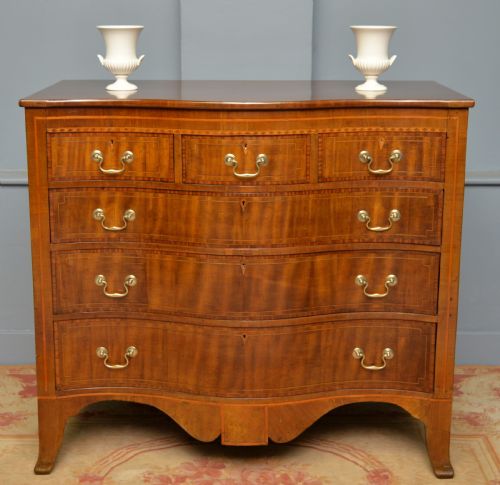


Georgian Commode Box
A georgian commode box is a piece of historical utilitarian furniture built for private sanitation or storage, crafted to blend discretion with fine cabinet-making.
Georgian Commode Box
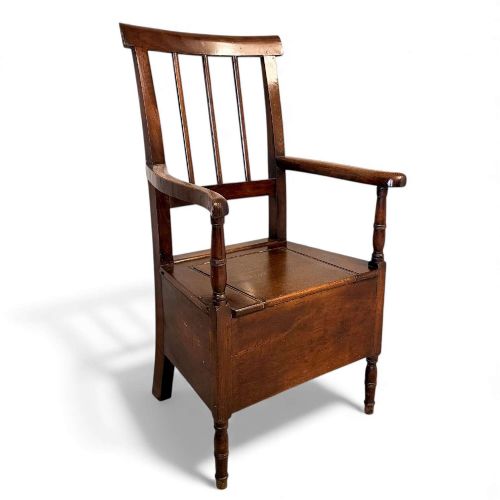
A georgian commode box or close stool is a specialised domestic item designed to conceal a chamber pot whilst presenting the dignified appearance of a regular seat or small cabinet. The pieces available in this category span the eighteenth century and the Regency period, demonstrating how private household functions were masked behind polite joinery.
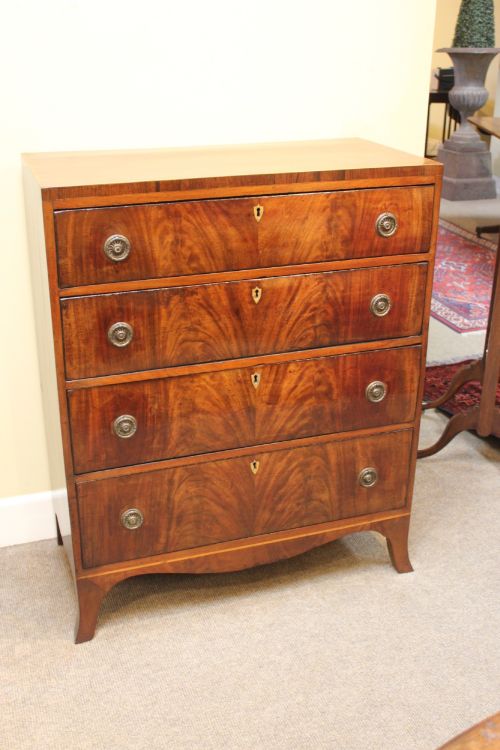
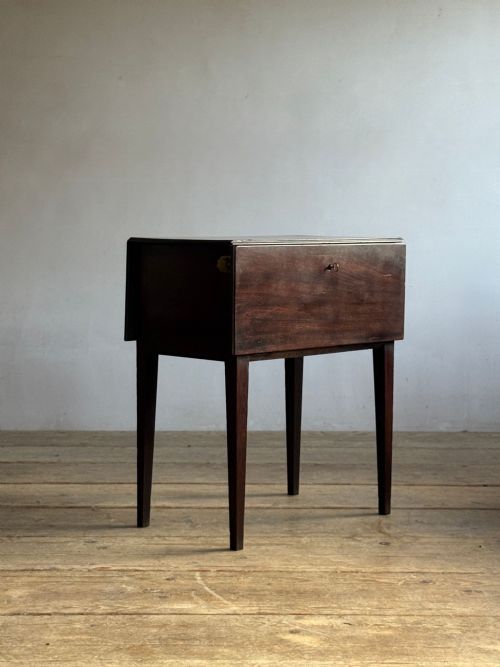
Most examples you will encounter take the form of armchairs, box stools, or close stools rather than bedroom chests. They often utilise sturdy timbers like oak and mahogany, reflecting the practical domestic requirements of British households during the Georgian era.
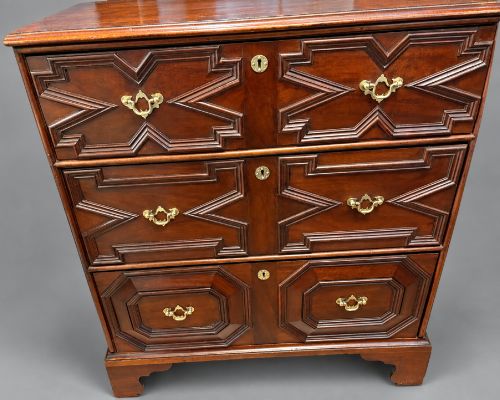
Beyond the standard box stools, the selection includes related miniature furniture and chest forms from the eighteenth and nineteenth centuries. These smaller items show the same cabinet-making ambition on a reduced scale, serving specialised domestic storage needs.
How they were made
Cabinet-makers constructed these items using solid woods such as oak and mahogany, often applying walnut or flame mahogany veneer for decorative effect. Timber selection was vital for pieces that needed to endure daily domestic use while maintaining a polished exterior.
Joinery techniques included precise framing for box seats and hinged lids, complemented by brass hardware for handles and closures. Craftsmen ensured that internal compartments for pots or storage remained secure and concealed within the structural frame.
Georgian Commode Box Retail Price Guide 2026
Typical asking prices for georgian commode box among the pieces listed under this phrase on Sellingantiques today, from the lower quarter to the upper quarter. They describe what is for sale here now, not the wider market.
Many a polite tea guest sat upon an eighteenth-century close stool entirely unaware of the domestic secret housed within its sturdy oak frame.
What varies in quality
The distinction between ordinary and superior pieces rests on the choice of timber and the refinement of the cabinet work. Finer items incorporate figured veneers like amboyna or burr, alongside careful inlay work that elevates a utilitarian object into a polished interior furnishing.
Proportion and structural integrity also separate standard regional items from high-status London examples. Well-executed joinery ensures that lids, arms, and internal compartments operate smoothly without compromising the exterior silhouette.
The Georgian Commode Box Glossary
- Close stool
- A portable seat enclosing a chamber pot, designed to look like a small cabinet or box stool. These items were essential furnishings in upper- and middle-class bedrooms before indoor plumbing.
- Commode chair
- An armchair with a modified seat frame built to house a sanitary pan below. They combine the upholstery and woodwork of standard seating with hidden domestic utility.
- Flame mahogany veneer
- A thin slice of mahogany timber cut from the fork of the tree to produce a flickering, decorative grain pattern. Cabinet-makers applied this to visible surfaces for visual impact.
- Serpentine
- A furniture front or top shaped with a convex centre flanked by concave curves. This contour requires skilled woodworking and adds movement to chests of drawers.
Georgian Commode Box: Frequently Asked Questions
What is a georgian commode box?
A georgian commode box is a piece of historic furniture designed to house a chamber pot discreetly beneath a hinged seat or lid. These items allowed for private sanitation within bedchambers before the arrival of modern indoor plumbing.
Cabinet-makers built them to resemble ordinary armchairs, box stools, or small chests so they would blend into the formal decor of a room. Their dual purpose makes them fascinating examples of period domestic engineering.
How were these boxes used historically?
Households utilised these pieces in bedrooms and dressing rooms for nighttime or private personal hygiene. Servants would empty and clean the internal ceramic or metal vessels contained within the wooden frames.
Over time, some pieces were adapted or repurposed as standard storage boxes or seating once indoor sanitation systems became common. Their robust construction allowed them to survive these shifts in domestic utility.
What woods were used for them?
The listings show that makers relied heavily on native oak and imported mahogany for the primary structural framework. Walnut and satinwood also appear in period construction.
Finer examples incorporate decorative elements like flame mahogany veneer, burr veneer, and amboyna. These choice timbers elevated a purely utilitarian object into a polished furniture piece.
How do I date a piece?
Dating relies on observing construction techniques, timber choices, and stylistic markers associated with specific periods like the eighteenth century or Regency era. Early pieces often feature solid oak or walnut framing, while later Regency items introduce refined mahogany veneers.
Comparing the hardware, joinery style, and overall form against documented examples helps narrow down the decade of manufacture. Minor details in the turning of legs or the cut of mouldings provide further clues.