




Georgian Collector Silver
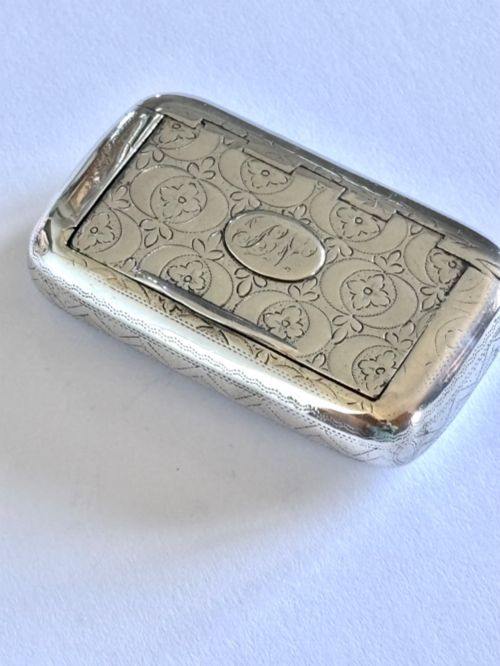
Georgian collector silver comprises boxes, vinaigrettes, and small items prized for intricate bright-cut engraving and silver-gilt finishes.
Georgian Collector Silver
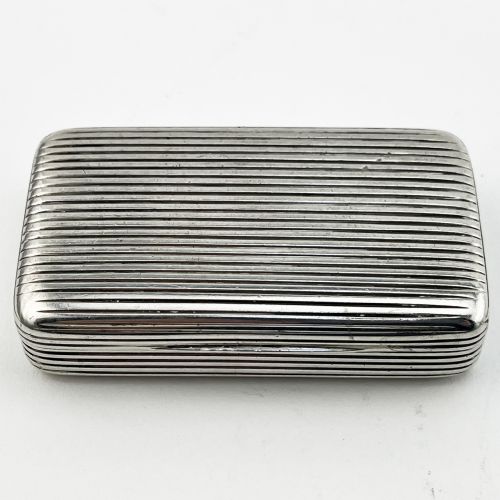
Snuff boxes and vinaigrettes dominate the offerings, often accompanied by nutmeg graters, cutlery, and miniature warming pans. These pocket items represent the domestic luxury and personal accessories of the period.
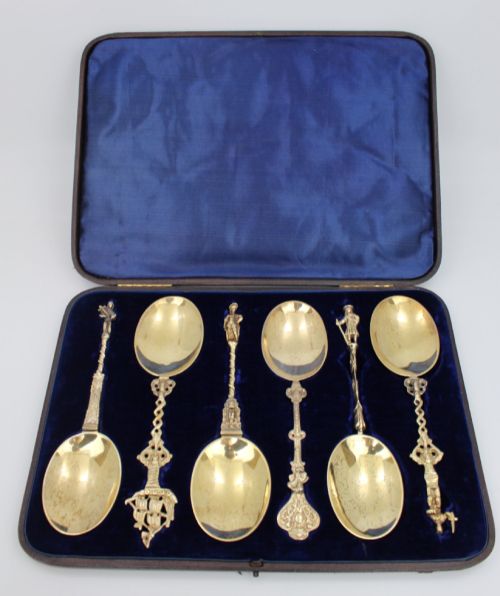
The selection ranges from early George III bright-cut containers to William IV pieces and nineteenth-century cased sets. Each object reflects the refined metalwork skills of regional workshops and urban silversmiths.
How they were made
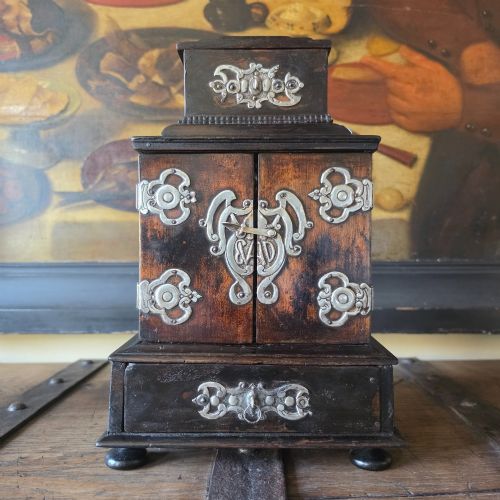
Makers fashioned these objects from sterling silver and silver-gilt, frequently combining metal with organic materials such as tortoiseshell, coquilla nut, and wood. Desk sets incorporate glass seals alongside fitted wooden or leather-covered presentation cases.
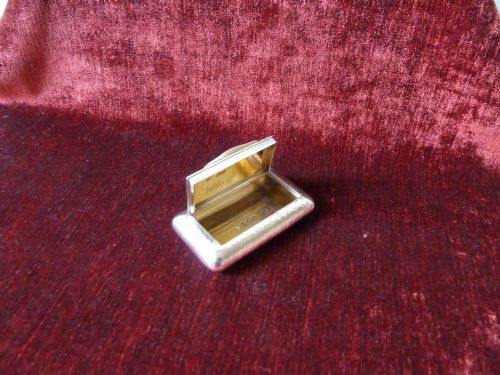
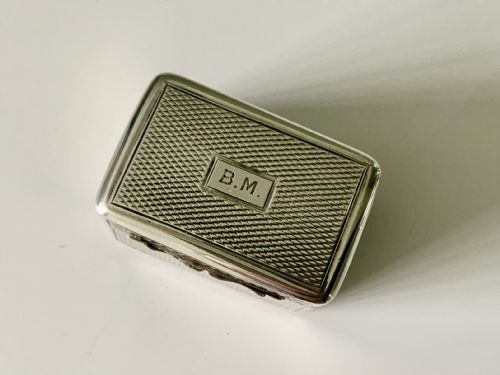
Surface decoration relies on meticulous bright-cut engraving to catch the light on small curved lids and panels. Interior gilding protects the silver from corrosive contents like snuff and aromatic vinegars.
Georgian Collector Silver Retail Price Guide 2026
Typical asking prices for georgian collector silver among the pieces listed under this phrase on Sellingantiques today, from the lower quarter to the upper quarter. They describe what is for sale here now, not the wider market.
Listings feature sterling silver, silver-gilt, tortoiseshell, and coquilla nut across Georgian, Victorian, and Edwardian periods.
What varies in quality
Quality diverges in the crispness of the bright-cut engraving and the preservation of the original silver-gilt finish across the exterior and interior surfaces. Superior examples retain intact interior gilding and sharp, legible maker marks.
The presence of original fitted cases, such as red Moroccan leather boxes or velvet-lined interiors, elevates the standing of pieces like vinaigrettes and miniature sets. Selection also depends on the integration of organic elements like tortoiseshell or coquilla nut without structural splits.
John Shaw·Deakin and Francis·Nathaniel Mills
The Georgian Collector Silver Glossary
- Bright-cut
- An engraving technique using faceted cuts to create a geometric pattern that reflects light from multiple angles. This method defined the surface ornamentation on many pocket boxes.
- Vinaigrette
- A small ornamental box featuring an internal pierced grille to hold a sponge soaked in aromatic vinegar. These items served as personal deodorisers during the Georgian era.
- Silver-gilt
- Silver that has been coated with a thin layer of gold on its surface. This treatment provides a rich warm tone and protects the underlying metal.
- Nutmeg grater
- A miniature container housing a small metal rasp for grating spice at the dining table. They were pocket-sized accessories for personal use.
- Treen
- Small handmade wooden objects produced by turning or carving. These items appear combined with silver mounts in domestic utensils.
Georgian Collector Silver: Frequently Asked Questions
What is georgian collector silver?
Georgian collector silver encompasses small portable metalwork items produced primarily in the eighteenth and early nineteenth centuries. These items include pocket boxes, vinaigrettes, and desk accessories.
They reflect the personal adornment and portable luxury habits of their original owners. Collectors prize them for their detailed engraving and compact scale.
How were vinaigrettes used?
Vinaigrettes served as personal scent containers containing a sponge soaked in aromatic vinegar. Owners opened the outer lid to inhale the refreshing vapours through an internal pierced grille.
They were carried in pockets or reticules during social gatherings. The interior gilding protected the silver from the acidic nature of the vinegar.
How do you date these pieces?
Dating relies on stamped hallmarks indicating the assay office, year letter, and maker's mark. Stylistic indicators like bright-cut engraving also point to specific periods.
Assay marks provide the most direct evidence for the year of production. Documentation in fitted cases can offer additional context.
How should I store them?
Store these silver items in stable environments away from excessive humidity and direct sunlight. Original velvet or leather cases provide suitable protection against knocks and surface scratches.
Avoid abrasive cleaning methods that remove bright-cut detail or gilding. Minimal handling preserves the remaining surface finishes.