





Georgian Coat of Arms
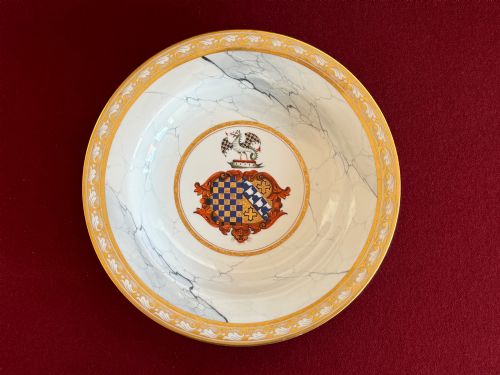
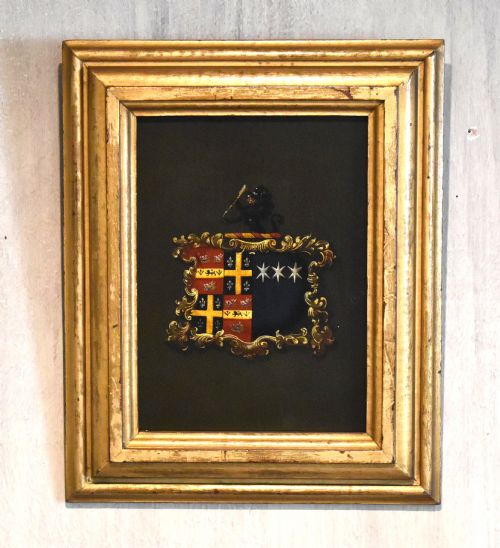
A georgian coat of arms carries centuries of heraldic authority, surfacing on painted leather fire buckets, porcelain plates and carved wooden wall plaques.
Georgian Coat of Arms
A georgian coat of arms encompasses a striking variety of objects, from armorial porcelain plates and engraved glass to leather fire buckets and wooden console tables. These pieces originate primarily from the eighteenth and nineteenth centuries, spanning Georgian, Regency and William IV periods.
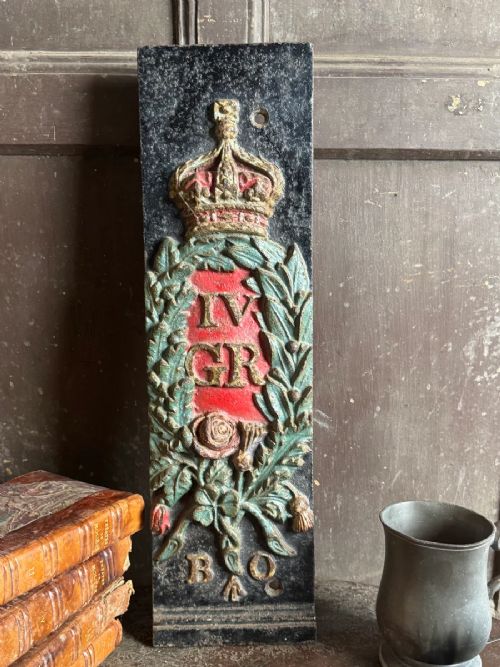
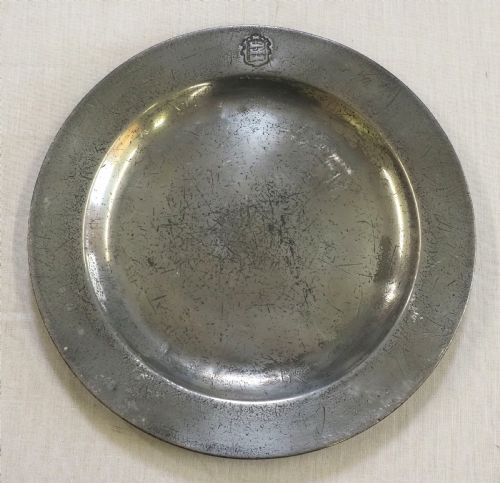
The most common formats on this page are ceramic plates and platters bearing hand-painted armorial bearings, alongside leather coaching panels and fire buckets. Buyers also encounter metalwork items such as Old Sheffield plated wine ewers, cast iron architectural plaques and pewter plates.
Many of these heraldic items trace back to specific domestic or institutional commissions, connecting the objects directly to prominent families, guilds and government departments. The stylistic influences range from Neoclassical and Rococo Revival to Chinese Export porcelain ordered specifically for the British market.
Materials and Technique
Ceramics and glass rely on detailed hand-painting and engraving to render heraldic charges with precision, utilising porcelain bodies and lead glass. Makers applied armorial enamel colours and gilding before firing or finishing the pieces for wealthy patrons.
Leather and metal items involve entirely different crafts, employing stitched thick leather for fire buckets and painted coaching panels, alongside cast iron, pewter and Old Sheffield plate for durable armorial hardware.
Georgian Coat of Arms Retail Price Guide 2026
Typical asking prices for georgian coat of arms among the pieces listed under this phrase on Sellingantiques today, from the lower quarter to the upper quarter. They describe what is for sale here now, not the wider market.
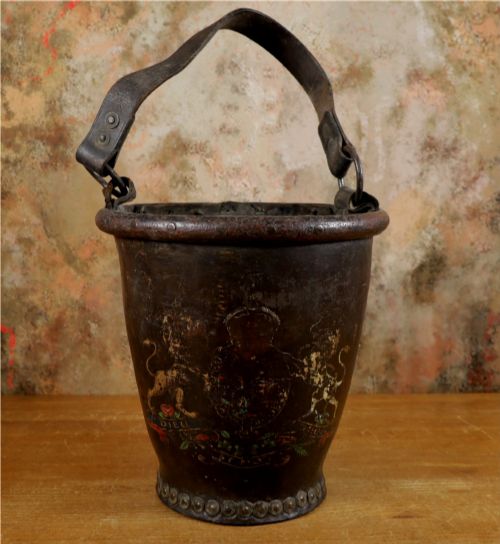
A leather fire bucket stands ready to douse a Georgian townhouse blaze while displaying a brightly painted lion and unicorn crest.
Craft and Condition
Quality in a georgian coat of arms rests upon the crispness of the heraldic painting, the fidelity of the armorial bearings and the skill of the modelling. Fine porcelain pieces show delicate brushwork in the enamel crests, while superior leather buckets maintain strong structural integrity and clear polychrome paint.
The distinction between standard utility items and top-tier commissions lies in the depth of provenance and the sophistication of the manufacture, such as detailed polychrome wood carvings or comprehensive armorial dinner services.
Barr Flight And Barr·Chamberlain Worcester·Minton·Wood And Michell
The Georgian Coat of Arms Glossary
- Armorial
- Relating to heraldic arms or a coat of arms. These bearings appear painted on porcelain, engraved on glass or stitched into textiles.
- Old Sheffield Plate
- A composite material made by fusing a thin layer of silver to a copper base. This technique was widely utilised for luxury tablewares and wine coolers before electroplating.
- Chinese Export
- Porcelain manufactured in China specifically for European and American markets. These wares frequently incorporated bespoke European family coats of arms painted to order.
- Coaching Panel
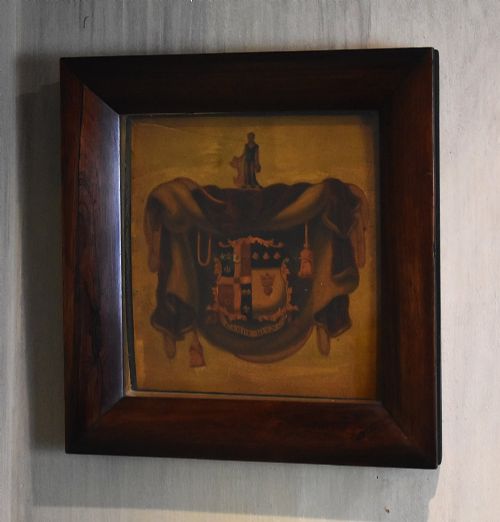
- A painted section of a horse-drawn carriage bearing a family crest. These panels were often removed and framed as wall art when carriages were dismantled.
- Rummer
- A large, heavy drinking glass popular during the eighteenth and nineteenth centuries. They were frequently engraved with armorial bearings for toasts and formal dinners.
Georgian Coat of Arms: Frequently Asked Questions
What is a georgian coat of arms?
A georgian coat of arms refers to heraldic displays created during the Georgian and Regency eras, appearing on decorative plates, leather fire buckets, glass and wooden furniture.
These pieces celebrate family lineages, municipal bodies or institutions through painted, carved, engraved or stitched armorial bearings.
How were armorial fire buckets used?
Leather fire buckets formed part of the essential safety equipment in country houses and town mansions during the eighteenth and nineteenth centuries.
They were kept in readiness for bucket chains to combat fires, painted with family coats of arms to identify the estate owners.
Where should I display a coaching panel?
Heraldic coaching panels suit large wall spaces in studies, hallways or living rooms where their painted wooden surfaces can be appreciated.
Ensure they hang away from direct heat sources and strong sunlight to preserve the historic paint and leather substrates.