



Georgian China Service
A georgian china service gathers porcelain and earthenware for the table, bringing period character and hand-painted detail straight to dining rooms and display cabinets.
Georgian China Service
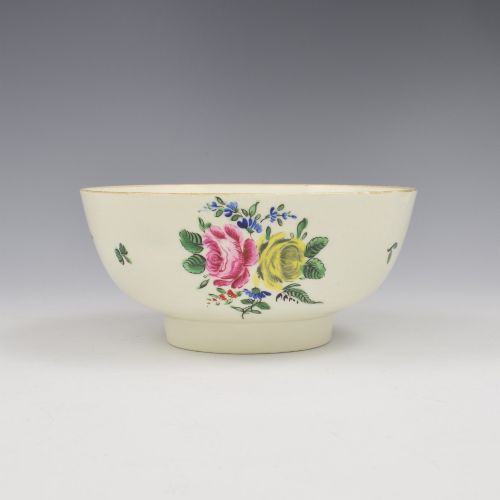
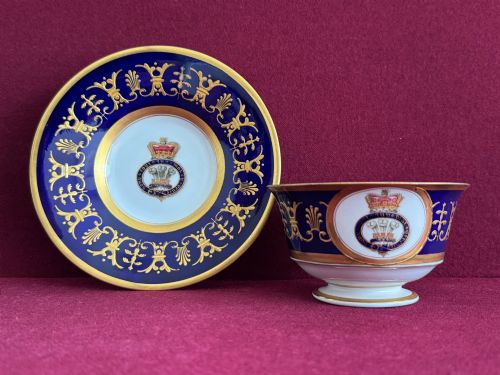
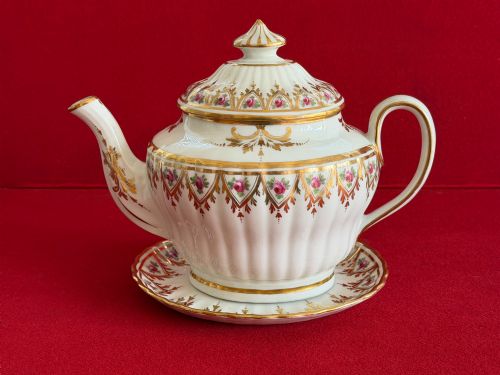
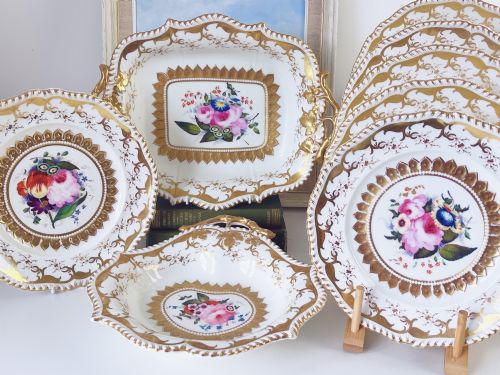
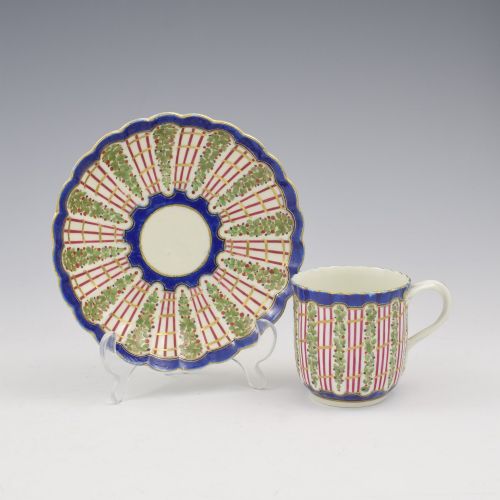
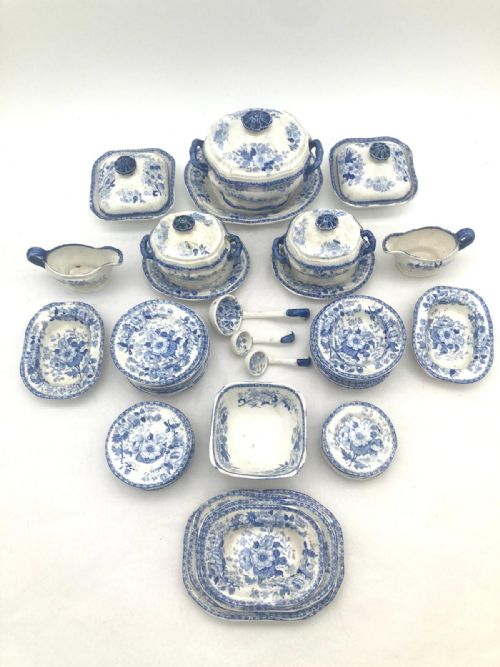
A georgian china service comprises matching sets and individual table components spanning the eighteenth century, the nineteenth century, the Georgian period, and the Regency era. Buyers searching for a georgian china service will encounter varied forms including dessert services, dinner services, teapots, cups and saucers, slop bowls, sauceboats, and sucriers.
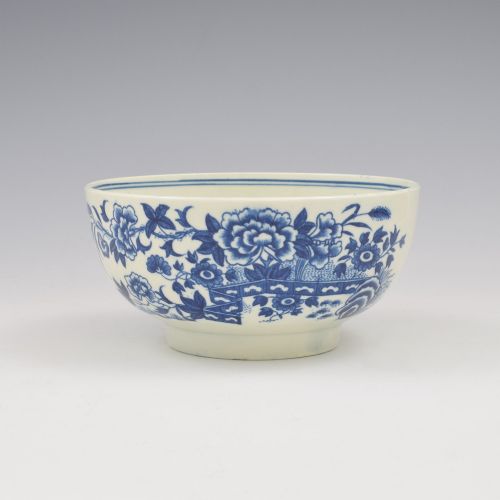
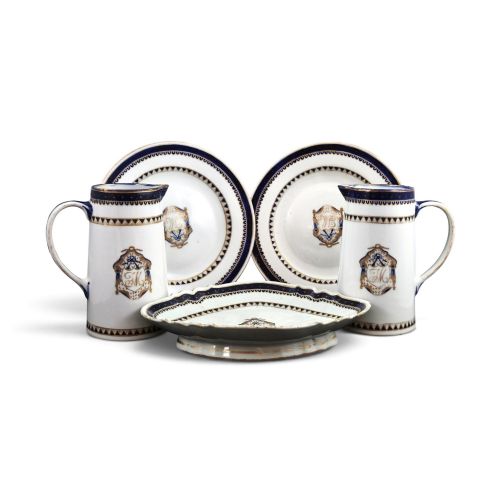
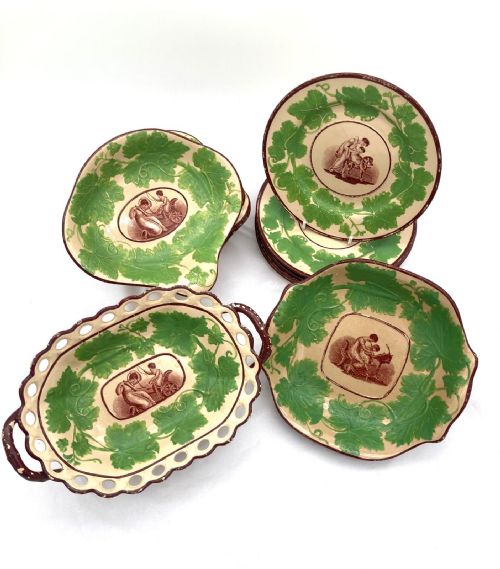
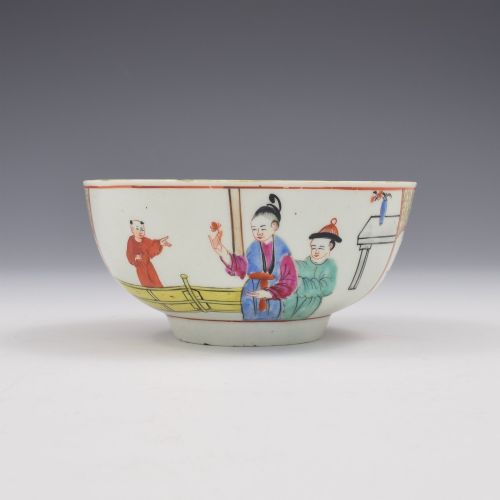
The selections on this page draw from established factories and domestic makers, featuring tea wares decorated with transfer printing alongside larger dessert services painted with fruit and floral patterns. Pieces range from early soft-paste porcelain slop bowls to ironstone china and Chinese export porcelain created for Western markets.
Materials and manufacture
Potters constructed these services using porcelain, soft-paste porcelain, earthenware, ceramic, and patent ironstone china. Artisans applied glaze and enamel decoration, frequently highlighting details with gold leaf.
Factories employed hand-painted artistry for botanical and figural scenes, alongside blue and white transfer printing for sheet patterns. Specific pieces combine moulded forms with painted borders and gilt highlights executed by trained decorators.
Georgian China Service Retail Price Guide 2026
Typical asking prices for georgian china service among the pieces listed under this phrase on Sellingantiques today, from the lower quarter to the upper quarter. They describe what is for sale here now, not the wider market.
Gentlemen of the eighteenth century required dedicated slop bowls to empty their tea leaves before the next pour.
Separating the grades
Quality rests upon the crispness of the moulding and the skill of the hand-painted brushwork applied to plates, cups, and bowls. Superior examples display detailed botanical painting by named artists or careful execution of complex transfer patterns.
The integrity of the glaze, the brilliance of the enamel colours, and the preservation of the original gold leaf define the upper tier of these table wares. Complete sets or pairs demonstrate greater factory ambition than isolated utility items.
New Hall Porcelain·Royal Flight Barr and Barr·Grainger Lee and Co·Minton·Spode·Derby Porcelain·Hicks Meigh and Johnson·Wedgwood·Mason's·Coalport
The Georgian China Service Glossary
- Slop bowl
- A large bowl used during tea service for the disposal of spent tea leaves and dregs. These bowls often match the decorative scheme of the associated cups and saucers.
- Sucrier
- A covered vessel designed to hold sugar on the tea table. They appear in porcelain and ironstone alongside matching teapots.
- Soft-paste porcelain
- An artificial porcelain composition fired at lower temperatures than hard paste, prevalent in eighteenth-century English factories. It produces a warm, slightly translucent body.
- Ironstone china
- A dense, durable ceramic body patented in the nineteenth century to rival true porcelain. It withstands heavy table use while accepting rich enamels and gilding.
- Chinese Export Porcelain
- Porcelain manufactured in China specifically for Western trade and markets, frequently featuring monograms or European-influenced designs.
Georgian China Service: Frequently Asked Questions
What pieces make up a service?
A service typically includes matching plates, bowls, cups, saucers, teapots, and serving vessels intended for tea or dessert.
Individual items from broken sets often survive independently on the market.
How do I date these ceramics?
Dating relies on factory marks, paste composition, stylistic shifts between the eighteenth and nineteenth centuries, and recorded pattern numbers.
Handwritten pattern numbers and painted factory marks provide the most direct chronological evidence.
Can I use these for dining?
While these ceramics were created for functional dining and tea service, age and delicate glazes often lead modern owners to use them primarily for display.
Gentle hand washing preserves fragile enamels and gold leaf against modern detergents.
What is Chinese export porcelain?
Chinese export porcelain refers to wares made in China for European and American buyers during the Georgian era.
These pieces frequently combine Chinese potting traditions with Western monograms and heraldry.