




Georgian Ceramic Centerpiece
A georgian ceramic centerpiece brings eighteenth and nineteenth century dining tables to life with porcelain baskets, ironstone comports and painted tureens.
Georgian Ceramic Centerpiece
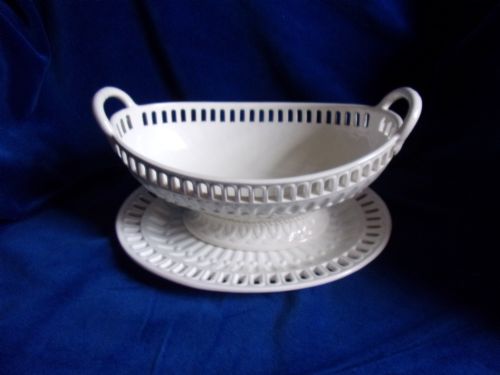
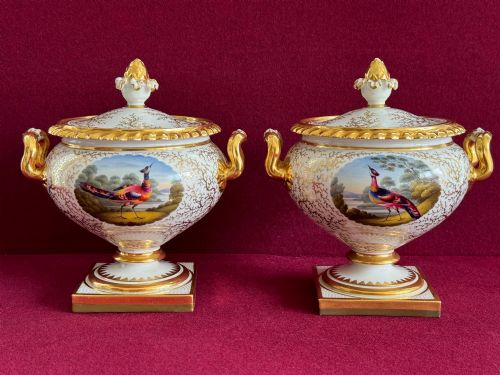
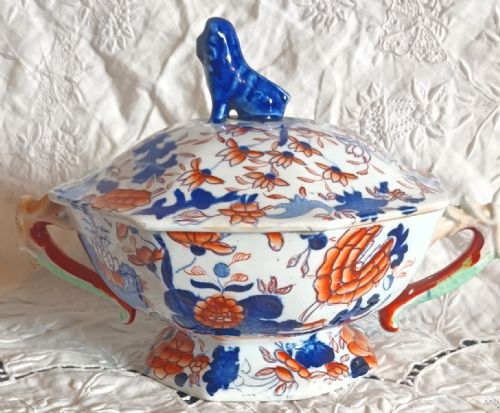
When you search for a georgian ceramic centerpiece, you encounter formal table vessels designed to hold fruit, ice, flowers or sweetmeats during grand dining services. These objects anchor the table arrangement, drawing the eye through height, colour and intricate modelling.
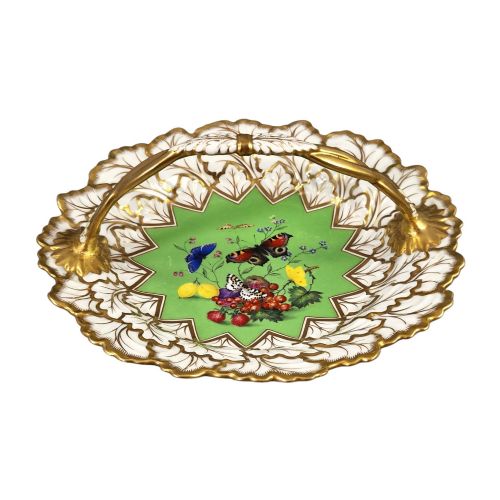
The pieces listed here span the eighteenth and early nineteenth centuries, covering the Georgian and Regency periods. You meet porcelain baskets, ironstone comports, chestnut baskets, punch bowls and tureens.
Origins include English factories such as Worcester, Derby, Minton and Mason's, alongside continental porcelain workshops. The selection leans heavily towards handled baskets and footed comports.
How They Were Made
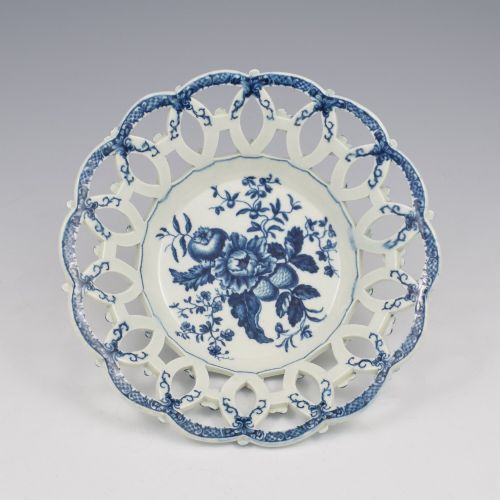
Potters shaped these vessels using porcelain, creamware, pearlware and ironstone, applying glazes before firing the ceramic body. Many items incorporate pierced galleries, woven strapwork or shell motifs modelled by hand or pressed in moulds.
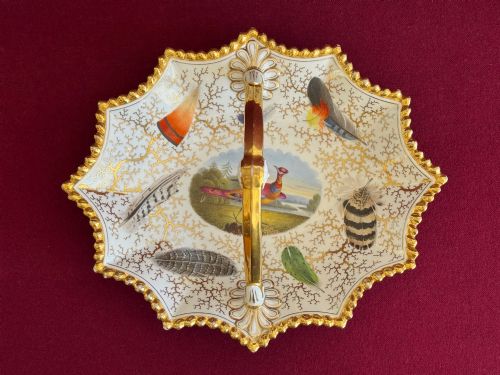
Decoration relies on underglaze blue and white transfer printing, hand-painted enamel colours and rich gilding with gold leaf. Transfer-printed scenes depict blue and white landscapes, while painted patterns range from Chinoiserie motifs to titled views.
Georgian Ceramic Centerpiece Retail Price Guide 2026
Typical asking prices for georgian ceramic centerpiece among the pieces listed under this phrase on Sellingantiques today, from the lower quarter to the upper quarter. They describe what is for sale here now, not the wider market.
Listings feature items from the eighteenth and nineteenth centuries, spanning the Georgian, Regency and 1800 periods.
What Varies in Quality
Quality rests upon the crispness of the modelling, particularly in pierced basketwork, applied shell forms and moulded ironstone handles. Finer pieces retain sharp detail where the clay meets the glaze, without blurring or pooling.
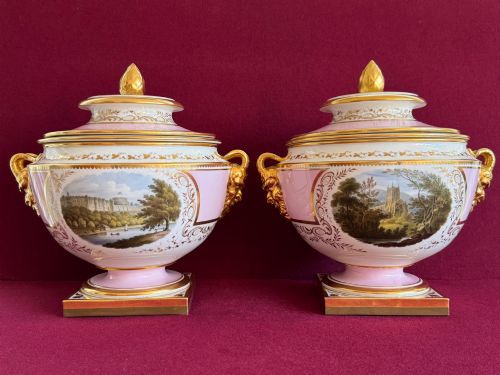
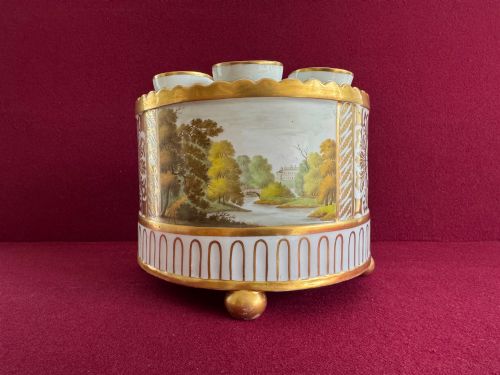
The skill of the painting and gilding separates standard production from superior work. Hand-painted enamels, detailed landscapes and carefully applied gold leaf distinguish master factory output from simpler transfer-printed wares.
Flight Barr and Barr·Wedgewood·Mason's Patent Ironstone·Derby Porcelain·Minton Porcelain
The Georgian Ceramic Centerpiece Glossary
- Comport
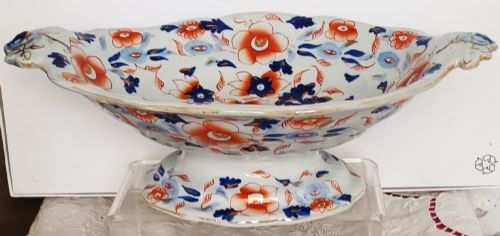
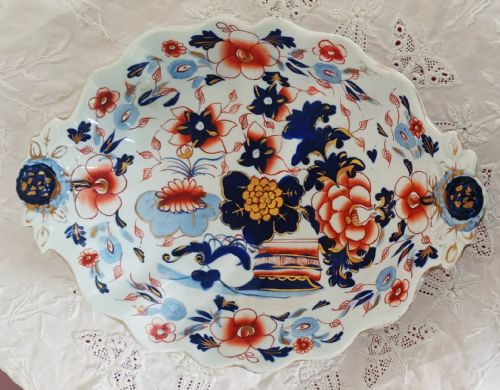
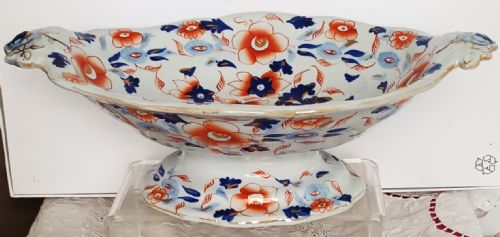
- A footed dish or bowl raised above the table surface, used for serving fruit or sweetmeats. These pieces often feature ironstone bodies with Japan patterns.
- Tureen
- A deep covered vessel designed for serving soups, vegetables or sauces at the table. Examples appear in porcelain and ironstone.
- Bough Pot
- A ceramic vessel intended for holding flowering branches or cut stems for interior decoration. They usually include fitted pierced covers.
- Ironstone
- A dense, durable type of earthenware patented in the nineteenth century to rival true porcelain. It accepts heavy glazes and vibrant enamels.
- Pearlware
- A refined earthenware developed in the late eighteenth century featuring a subtle blue-tinted glaze that pooled white.
- Transfer Printing
- A technique of applying engraved designs to ceramics using paper tissue from a copper plate. This process created consistent blue and white patterns.
Georgian Ceramic Centerpiece: Frequently Asked Questions
What were these centerpieces used for?
Dining tables of the period relied on elaborate set-pieces to display fruit, sweets, ice or flowers during multi-course meals. They served both a practical function for food and a decorative role to impress guests.
Larger bowls and baskets held fruit or cooling ice, while smaller stands presented sweetmeats or decorative bough arrangements. Their placement at the centre of the table created a focal point for the room.
How do I distinguish Georgian from Regency pieces?
Georgian ceramics from the eighteenth century often feature softer curves, hand-painted floral motifs and delicate shell or basket mouldings. Dr Wall Worcester and early continental pieces typify this refined aesthetic.
Regency items from the early nineteenth century introduce bolder forms, ironstone bodies, and stronger decorative schemes like Chinoiserie and Japan patterns. Makers such as Flight, Barr and Barr and Mason's defined this later, more robust style.
How do I care for antique ceramic centerpieces?
Wash these pieces gently by hand in warm water using mild soap, avoiding modern dishwashers entirely. Harsh detergents and abrasive pads will damage delicate enamels and wear away gold leaf gilding.
Display them away from direct sunlight and areas subject to sudden temperature shifts. Support heavy ironstone comports and porcelain bowls from the base rather than the handles when moving them.