

Georgian Carved Splat Chairs
Georgian carved splat chairs bring solid timber frames and pierced wooden backs into the room, offering sturdy dining and desk seating.
Georgian Carved Splat Chairs
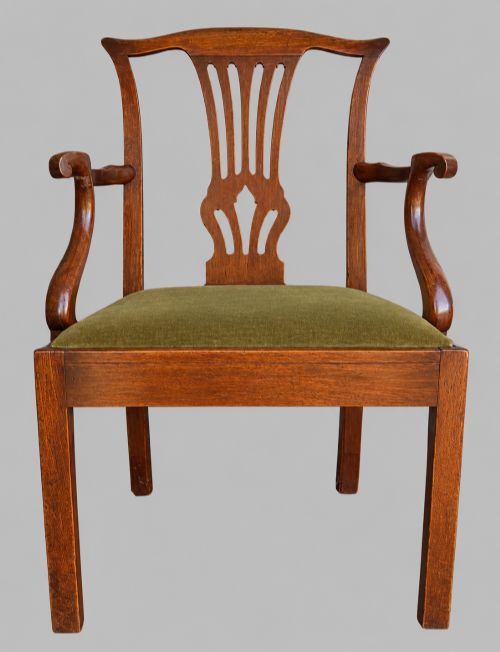
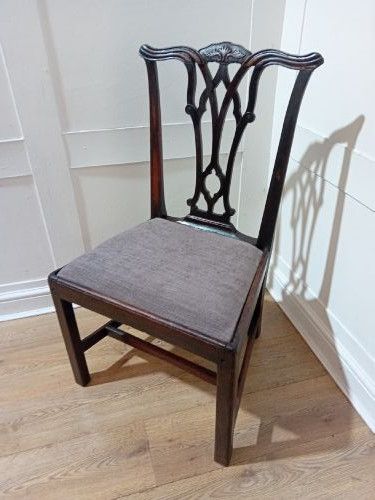
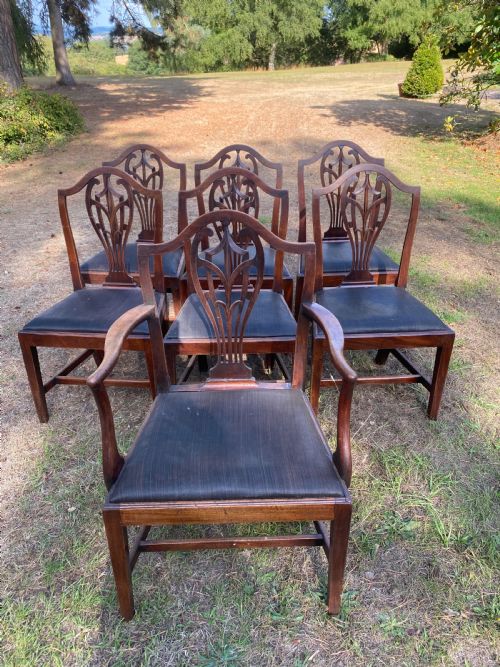
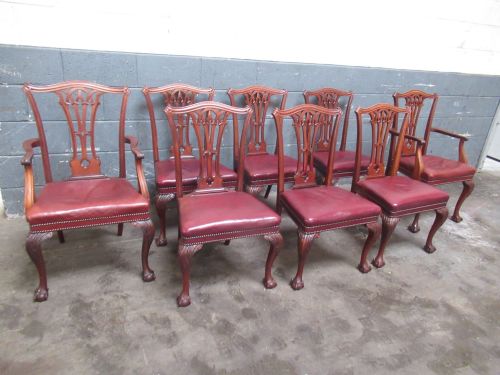
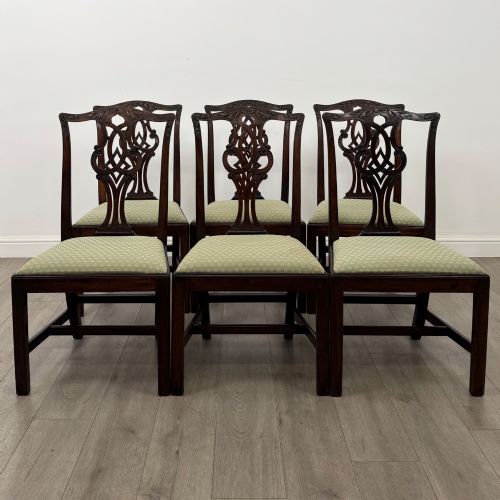
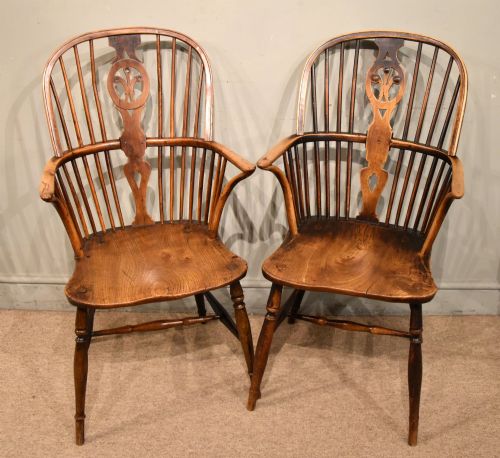
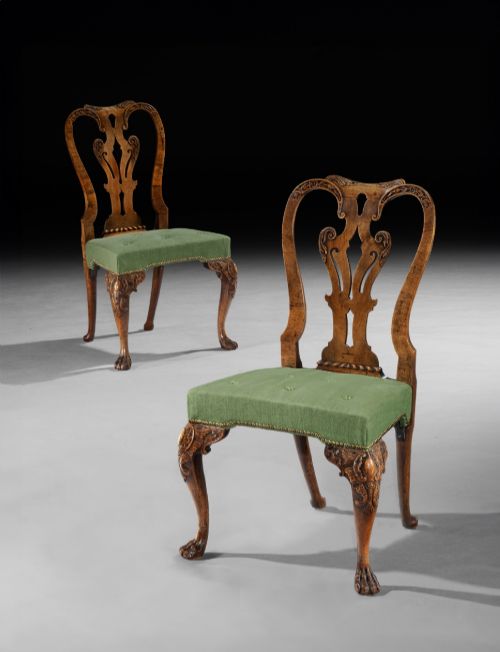
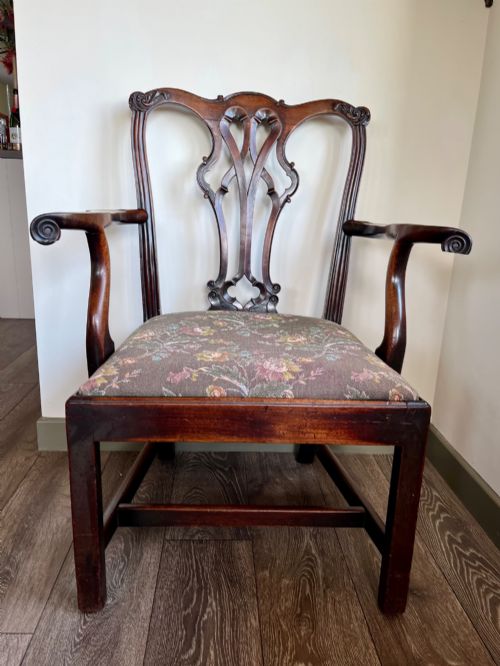
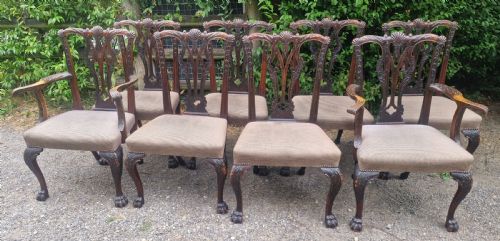
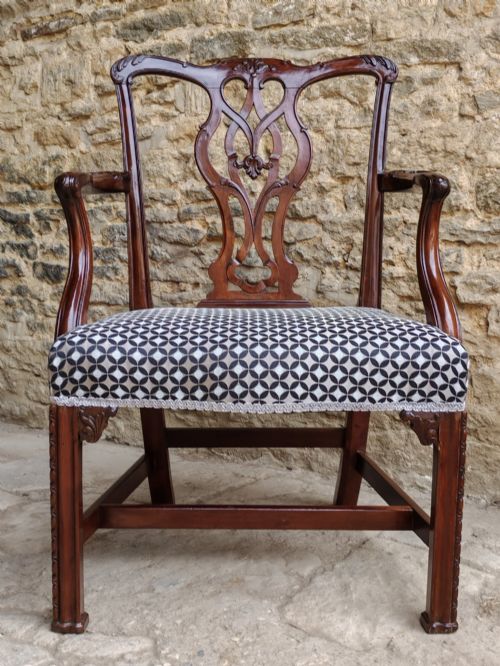
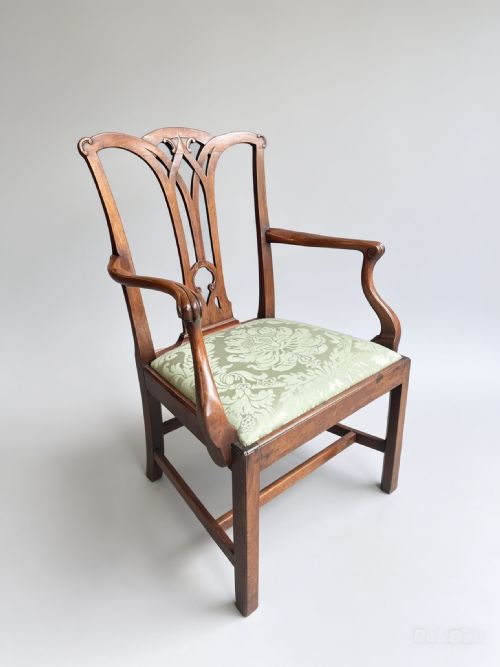
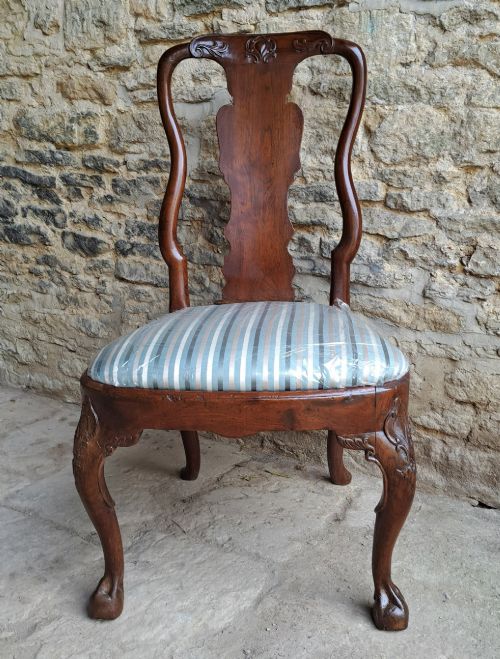
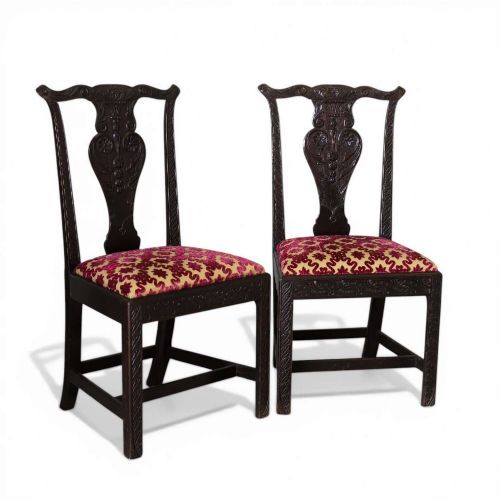
Georgian carved splat chairs are wooden seats featuring a distinctive pierced vertical wooden slat in the backrest, designed for dining rooms, halls, and studies. These chairs appear primarily as single side chairs, pairs of armchairs, or larger dining sets spanning the eighteenth century through later revival periods.
The form encompasses various functional types including armchairs, side chairs, desk chairs, and corner chairs constructed from dense hardwoods. Makers produced these pieces across distinct regional variations, incorporating walnut, mahogany, and oak frames alongside drop-in seats or upholstered pads.
Materials and construction
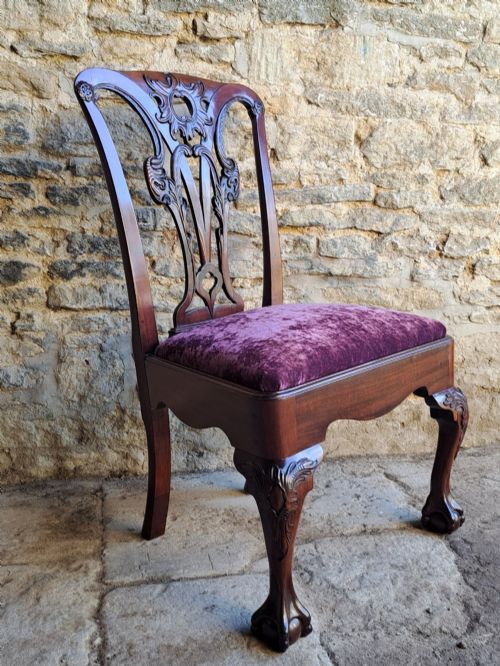
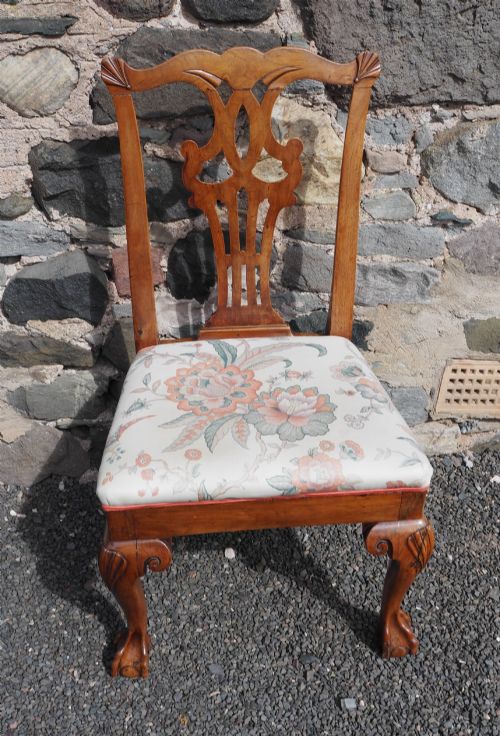
Makers constructed these chairs predominantly using dense hardwoods like mahogany and walnut, alongside regional timbers such as oak, fruitwood, and elm. Workshops shaped the distinctive pierced splats and cabriole or straight legs through careful hand carpentry and joinery.
Upholstery materials include leather, brass elements, and diverse textiles ranging from velvet to modern fabrics. Drop-in seats allow for easy removal and recovered padding while maintaining the rigidity of the wooden frame.
Current listings feature mahogany, walnut, and oak frames alongside upholstered seating in velvet, leather, and fabric across eighteenth and nineteenth-century periods.
Quality and execution
The depth and crispness of the hand carving on the splat and top rail separate standard output from superior examples. Artisans who invested time in detailed pierced work and balanced proportions achieved greater visual harmony in the finished seat.
The choice and density of the primary timber dictate the structural integrity of the frame over centuries of use. Dense grain walnut and quality mahogany sustain joints better than softer secondary woods.
The Georgian Carved Splat Chairs Glossary
- Splat
- The vertical wooden centre piece running from the seat up to the top rail of the chair back. This component is typically pierced or carved into intricate shapes.
- Cabriole leg
- A furniture leg that curves out in a convex arc at the knee and tapers inward in a concave arc toward the foot. This design appears frequently on walnut and mahogany pieces from the mid-eighteenth century.
- Drop-in seat
- A removable wooden frame insert padded and upholstered separately before dropping into a recess in the chair seat rails. This construction simplifies recovering.
- Elbow chair
- A term used historically for an armchair providing support for the arms. These pieces often serve as carvers at the head of a dining table or as desk chairs.
- Corner chair
- A chair designed with a diagonal orientation to fit into room corners, featuring a continuous arm rail supported by three or four legs. These items provide compact desk or dressing seating.
Georgian Carved Splat Chairs: Frequently Asked Questions
How do I identify a genuine period chair?
Examine the timber shrinkage, joinery methods, and tool marks visible on the underside of the seat frame. Period pieces exhibit hand-cut joints and timber ageing consistent with eighteenth-century production.
Compare the carving depth and splat proportions against documented examples from the same stylistic era. Revival pieces often display machine precision or different secondary woods beneath the surface.
Can I use these chairs for daily dining?
Solid mahogany and walnut frames offer robust daily support when joints remain stable and tight. Regular checks ensure the frame maintains its rigidity during routine use.
Consider the seat height and upholstery condition to ensure comfortable daily sitting. Many period chairs accommodate modern dining table heights without modification.
What is the difference between a side chair and a carver?
Side chairs are built without armrests to allow multiple seats to fit compactly around a dining table. They function well against walls or paired with desks.
Carvers feature wooden armrests and typically stand at the head and foot of a dining table. Their wider frames require additional space compared to standard side chairs.
How should I care for antique wood finishes?
Apply traditional beeswax sparingly to nourish the timber surface and maintain a soft natural sheen. Avoid silicone-based sprays that can penetrate open wood pores and damage the patina.
Keep wooden chairs away from direct heat sources and drastic humidity changes to prevent timber splitting. Stable indoor environments preserve both the structural glue and the exterior polish.