
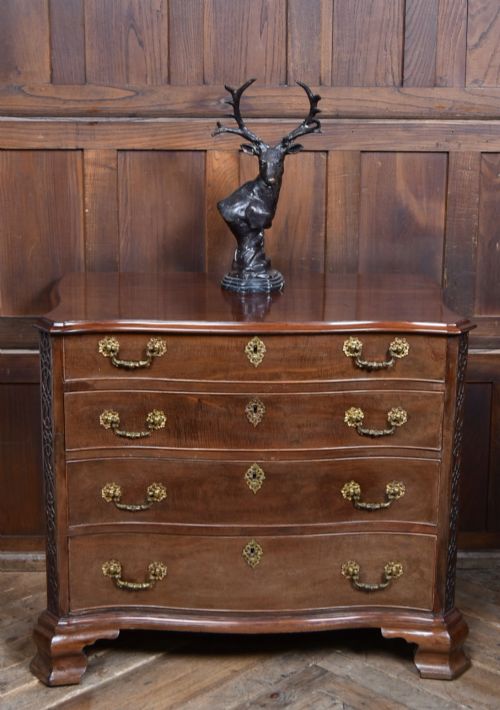
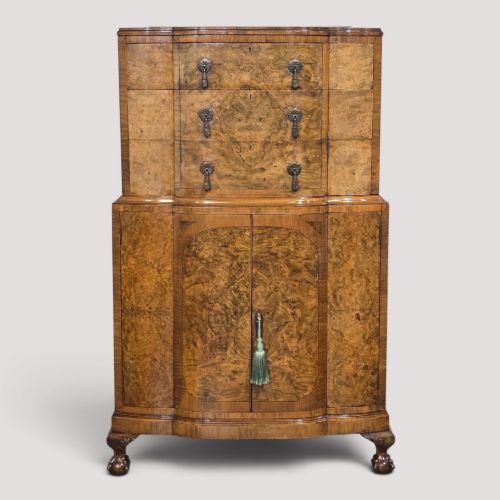
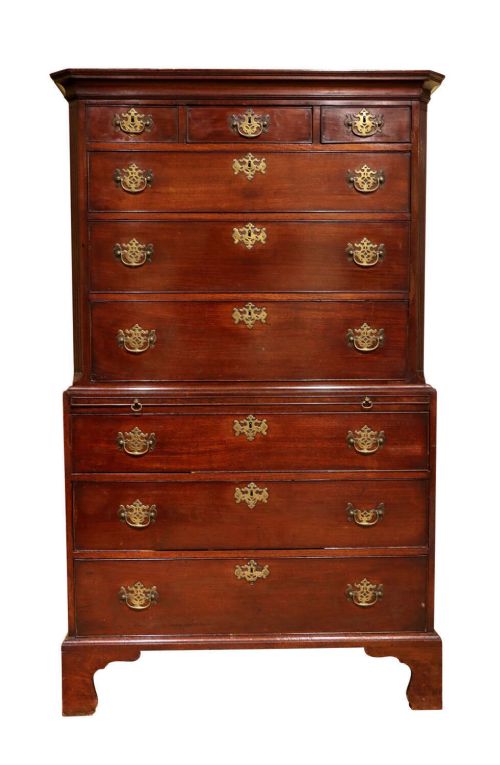
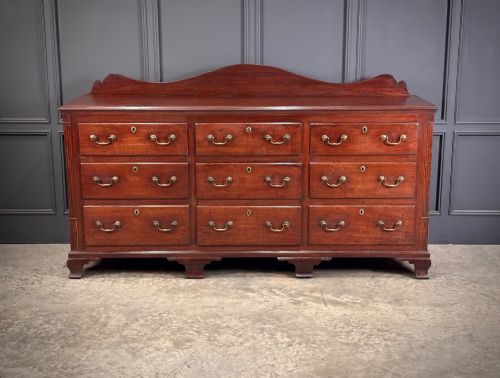
Georgian Carved Chest Drawers
These georgian carved chest drawers combine robust 18th-century construction with decorative detail, offering substantial storage for the modern home.
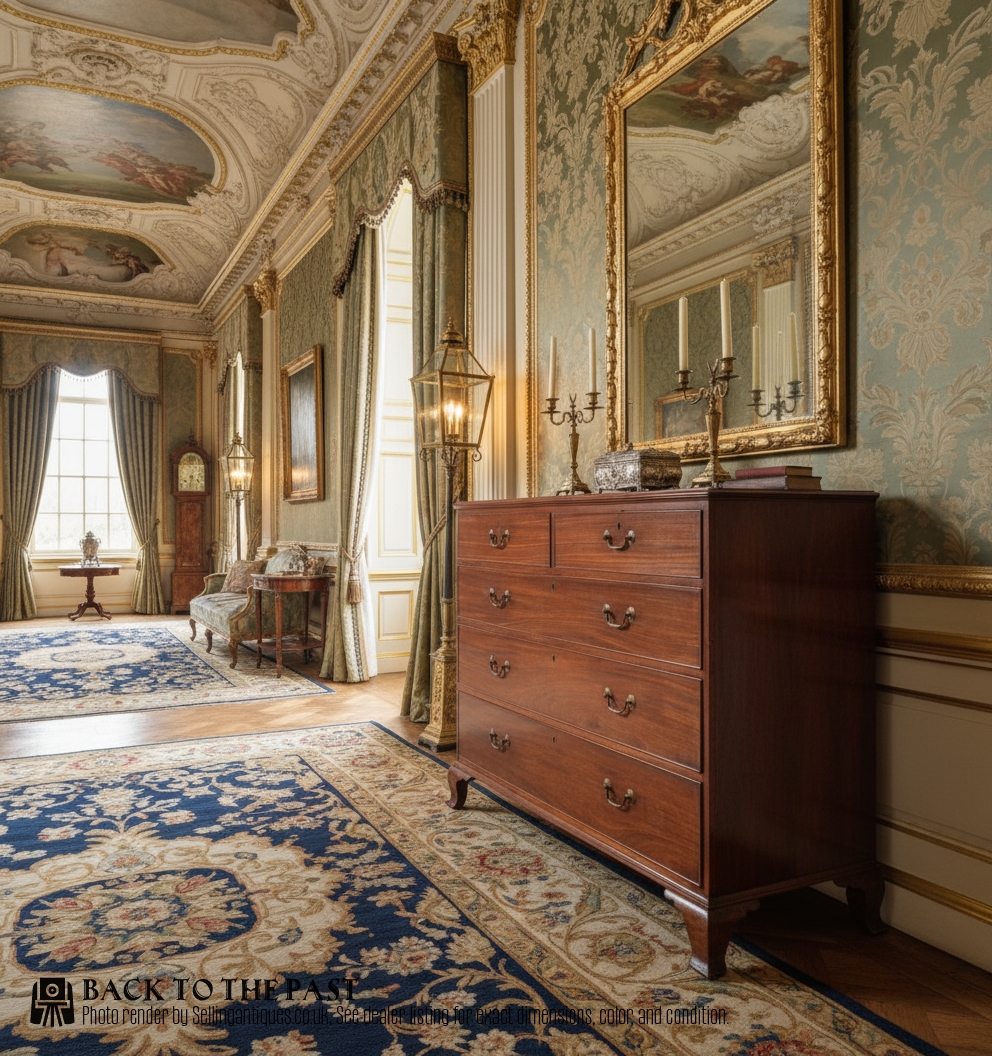
Georgian Carved Chest Drawers
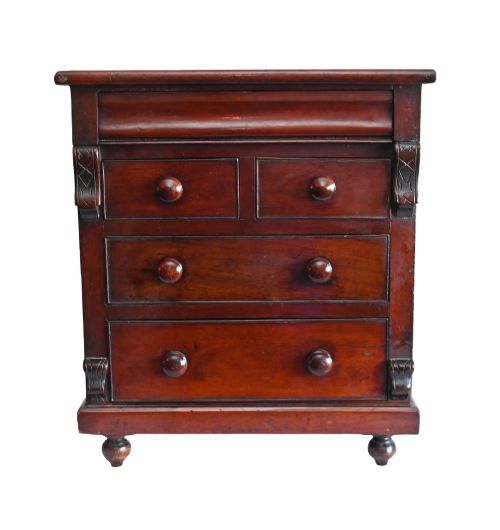
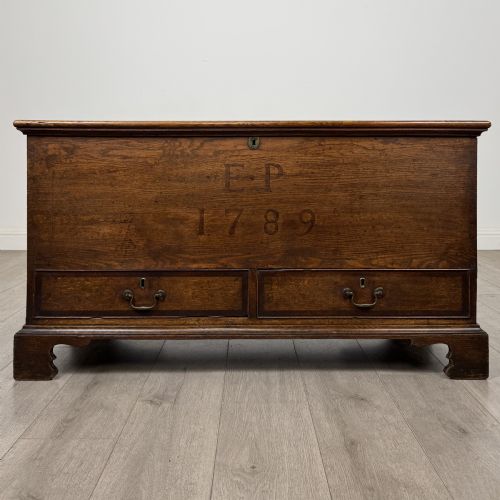
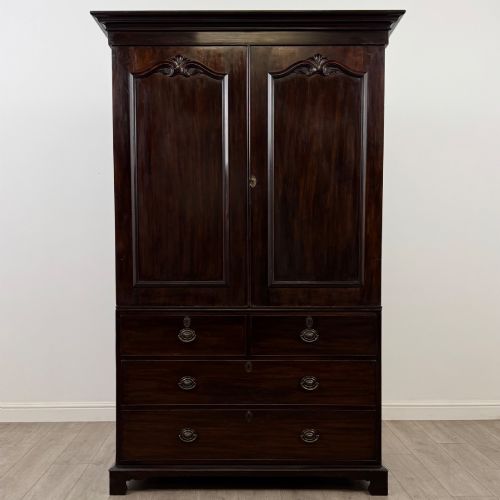
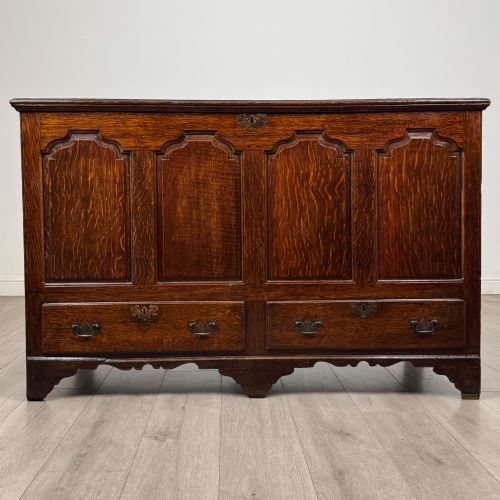
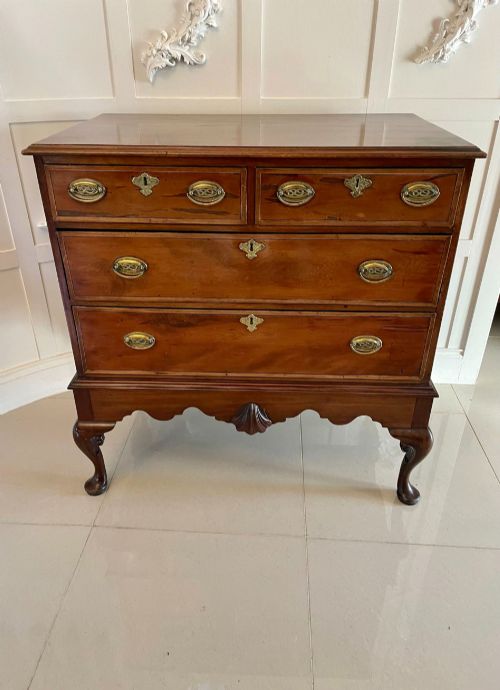
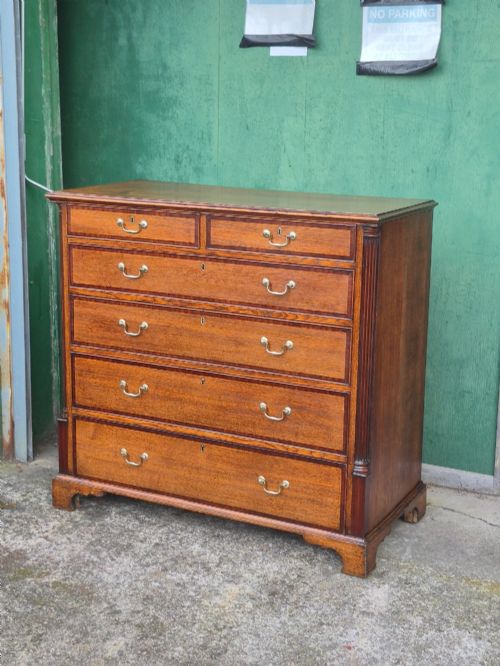
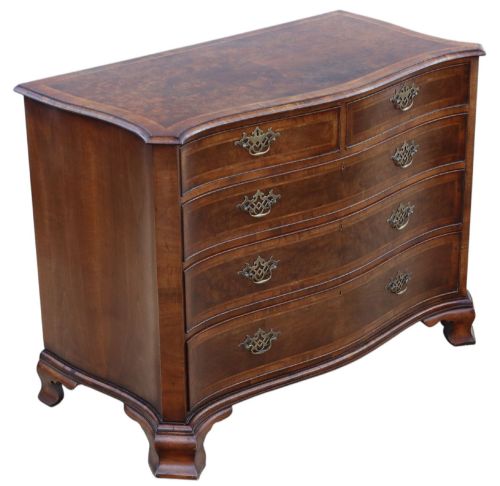
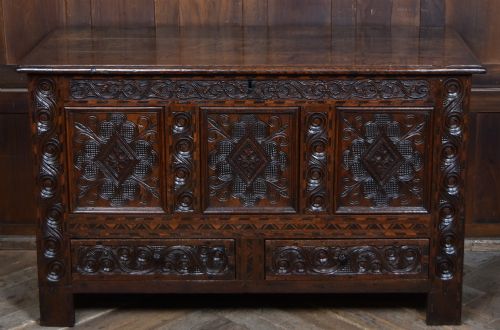
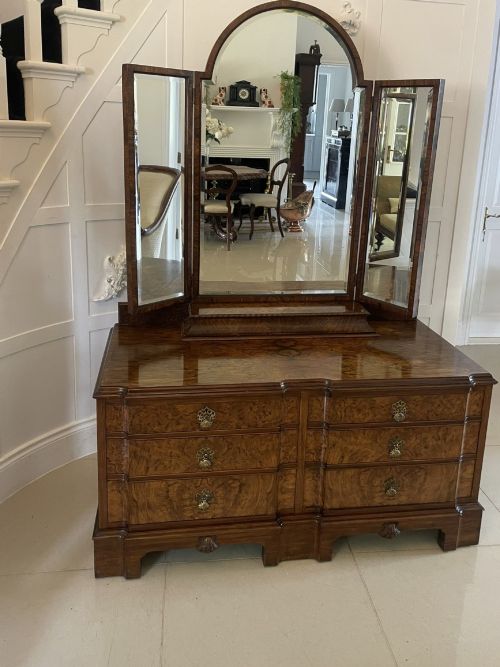
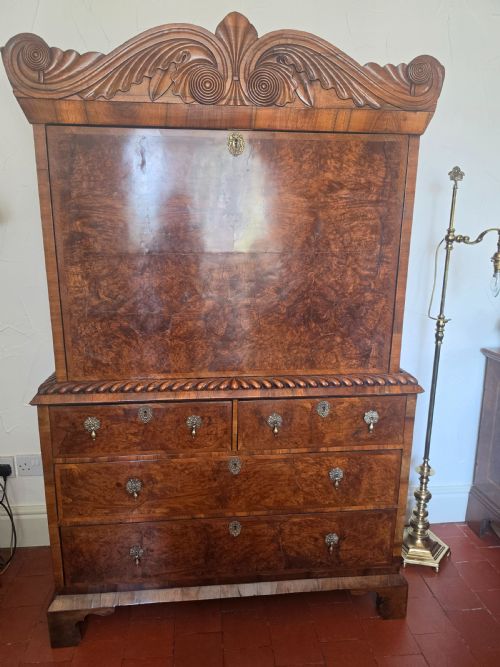
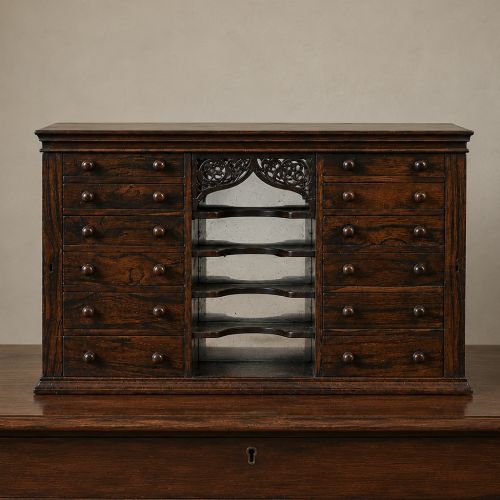
When searching for georgian carved chest drawers, buyers encounter sturdy forms originating primarily from the eighteenth and nineteenth centuries, alongside later revival interpretations. These storage pieces appear in various configurations, including tallboys, mule chests, chests on stands, and traditional bow fronts.
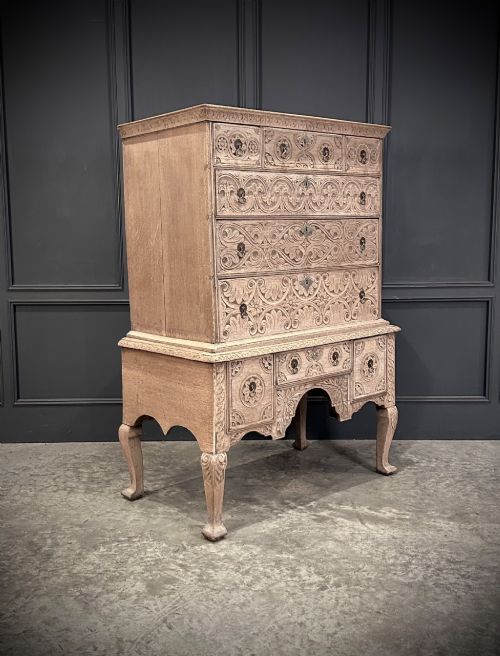
The selection ranges from utilitarian oak coffer designs to sophisticated mahogany and burr walnut commodes. Many examples incorporate period brass hardware, while specific regional pieces display deliberate surface carving applied during or after their initial manufacture.
How they were made
Joiners and cabinet makers constructed these carcasses using solid timber such as oak, mahogany, and walnut, often applying decorative wood inlay or crossbanding to prominent drawer fronts and surfaces. Secondary timbers like pine appear internally within drawer linings and backboards.
Hardware consists of cast brass drop handles or swing bail handles secured through original bore holes, accompanied by iron locks. Surface embellishments involve hand-carved motifs or geometric mouldings integrated directly into the timber frame.
Listings feature primary construction timbers including oak, mahogany, burr walnut, and pine, alongside decorative mirror glass and brass hardware.
What varies in quality
The standard of timber selection largely dictates value, with highly figured burr walnut and dense flame mahogany marking the upper tier of production. Richly grained surfaces and well-matched veneers demonstrate superior workshop practice.
Proportion and the integrity of the carving differentiate standard regional pieces from masterworks. Crisp detailing on cornices, blind frets, and bracket feet elevates the overall visual presence of a cabinet.
The Georgian Carved Chest Drawers Glossary
- Chest on Chest
- A tall storage unit comprising a lower section of drawers beneath an upper section, sometimes called a tallboy. This form maximises vertical capacity while occupying a compact footprint.
- Crossbanding
- A decorative border of veneer laid around the perimeter of a drawer front or tabletop so that the grain runs perpendicular to the central panel. It provides a neat visual frame.
- Blind Fret
- Carved ornamental woodwork applied to a flat surface in an openwork geometric pattern without piercing through to the background. It is frequently seen along cornices.
- Mule Chest
- A traditional storage chest featuring one or more functional drawers built into the base beneath the primary lidded compartment. They bridged the design gap between standard coffers and modern drawer chests.
- Commode
- A low decorative cabinet or chest of drawers adapted from French furniture styles, often featuring serpentine or bow fronts. They served formal reception rooms.
Georgian Carved Chest Drawers: Frequently Asked Questions
How do I identify a genuine period piece?
Examine the timber shrinkage, interior drawer construction, and hand-cut dovetail joints. Secondary woods used inside drawers should match the expected regional practices of the stated century.
Look closely at the backboards and base panels for signs of age, tool marks, and appropriate wear consistent with centuries of domestic use.
What is the difference between oak and mahogany versions?
Oak examples typically date from the earlier part of the period, displaying heavier proportions and rustic charm. They suit country house interiors and traditional settings.
Mahogany and walnut pieces emerged later with finer grain patterns and polished finishes, reflecting the refined neoclassical tastes of the Georgian and Regency eras.
How do I care for antique timber surfaces?
Keep wooden furniture away from direct heat sources and dramatic humidity fluctuations to prevent the timber from splitting or warping. Natural beeswax applied sparingly maintains the lustre.
Avoid commercial silicon sprays and harsh liquid cleaners that can penetrate old French polish and degrade the historic patina over time.
What rooms suit these large chest forms?
Bedrooms remain the natural home for tallboys and standard drawer chests, providing ample wardrobe and linen storage. Their deep drawers accommodate bulky textiles easily.
Living rooms and hallways also house smaller commodes and chests on stands, serving as decorative sideboards or surface display areas for lamps and ornaments.