




Georgian Caddy Top Chest
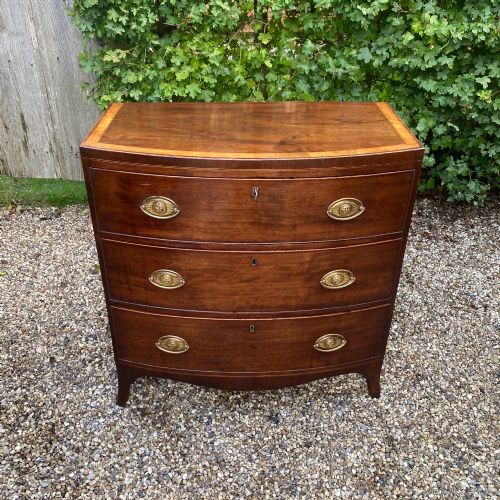
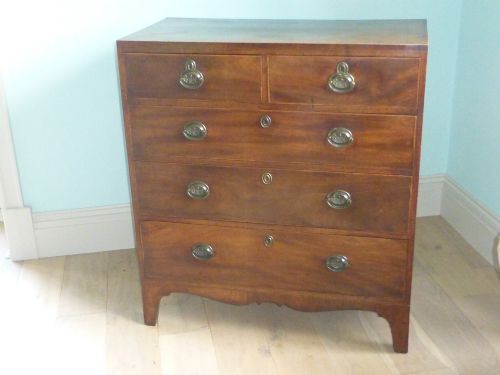
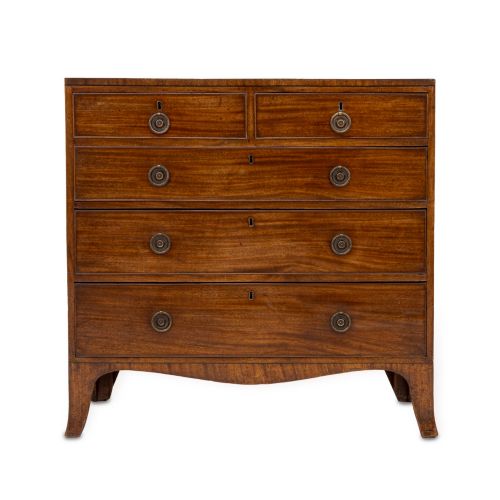
A georgian caddy top chest brings substantial timber character and restrained proportion to a room, offering distinct moulded top edges shaped like tea caddies.
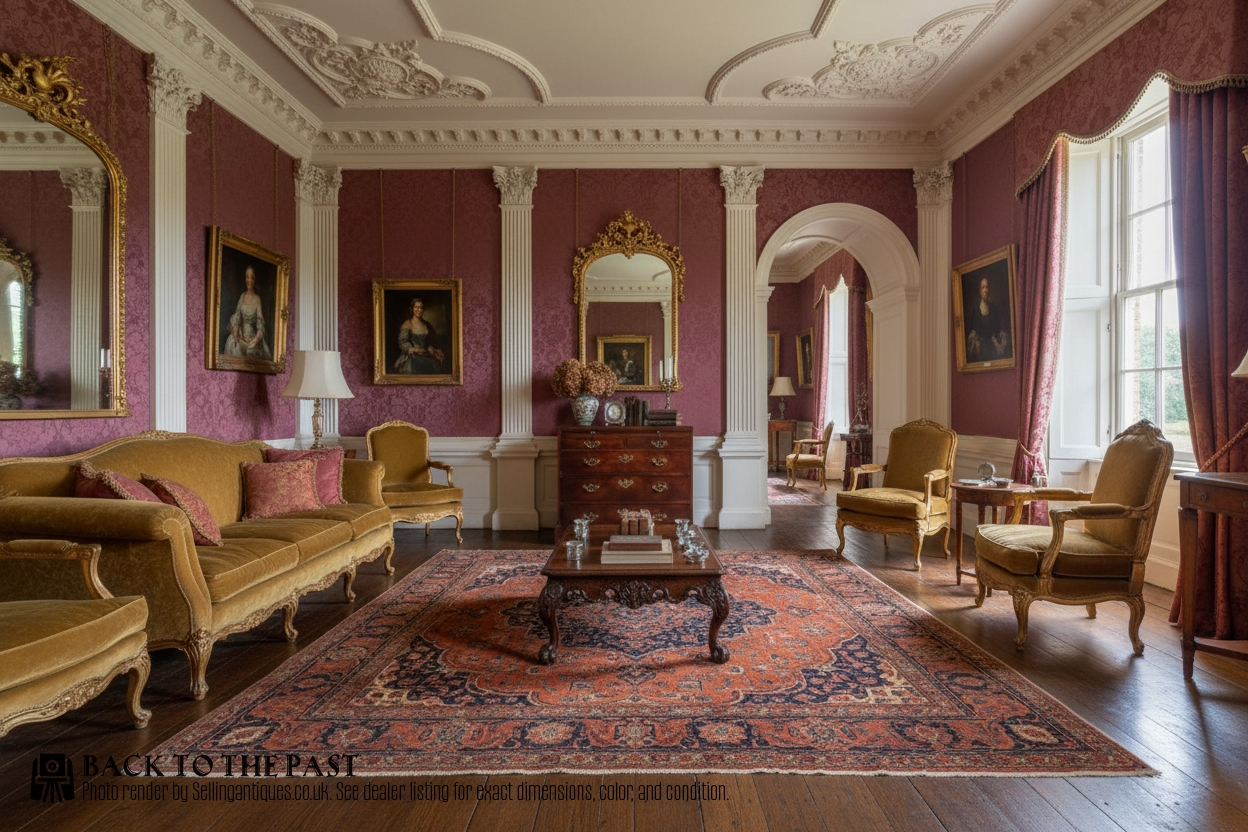
Georgian Caddy Top Chest
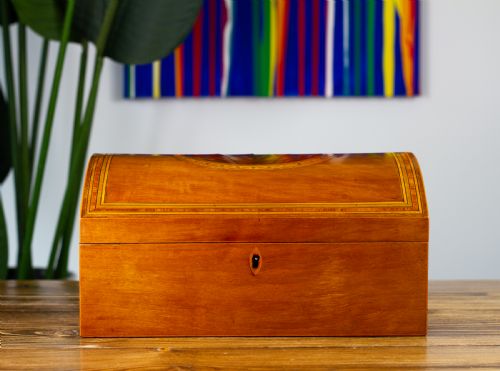
When you search for a georgian caddy top chest, you encounter a distinct form of storage furniture defined by a characteristic moulded lid profile reminiscent of fine tea caddies. The examples appearing here span standard drawer chests, blanket chests, bachelors chests, and smaller table cabinets from the Georgian and Regency periods alongside later revivals.
Mahogany predominates among these items, frequently accented with satinwood, boxwood, ebony, and rosewood stringing or inlay. You will regularly find pieces exhibiting bow front profiles and compact proportions suited to smaller domestic spaces.
The construction dates primarily stretch from the late eighteenth century into the nineteenth century, with occasional Georgian Revival pieces bearing similar traditional characteristics. Oak also appears occasionally in the internal framing or secondary woods of these chests.
Materials and construction methods
Cabinet makers built these chests using solid timber frames faced with figured mahogany veneers, applying contrasting stringing in satinwood, boxwood, and ebony to define drawer edges and top borders. The characteristic caddy top required skilled timber shaping to form the signature stepped or moulded edge profile.
Brass hardware, including escutcheons and drop handles, was fitted to secure drawers and doors, often accompanied by functioning locks and keys. Internal construction typically utilised secondary timbers such as oak alongside traditional hand-cut dovetail joints on the drawers.
Tea was so precious in the Georgian period that the furniture top shape itself paid homage to the locked caddy inside.
Distinguishing quality across pieces
The grain selection in the mahogany veneer dictates much of the visual depth, with superior examples displaying rich figuring across the drawer fronts and top surface. Finely executed stringing and crisp inlay work demonstrate the precision applied by the original maker.
Proportion and scale separate standard storage pieces from finer examples, particularly in bow front models where the curve must remain balanced and true. The survival of original brass handles, locks, and polished finishes contributes significantly to the integrity of an individual chest.
Giles Grendey
The Georgian Caddy Top Chest Glossary
- Caddy top
- A moulded furniture top shaped with distinct stepped edges reminiscent of contemporary tea caddy lids. This profile gives the chest its specific architectural character.
- Bow front
- A convex curved front facade popular on chests of drawers during the Georgian and Regency eras. This shape softens the profile of the room furniture.
- Stringing
- Thin inlaid lines of contrasting light or dark wood used to outline drawer fronts and top panels. It provides geometric definition to the mahogany surfaces.
- Dovetail
- A traditional interlocking woodworking joint used to secure drawer corners together. Hand-cut variations indicate the period of manufacture.
- Escutcheon
- A protective metal plate surrounding a keyhole on a drawer or door. Brass examples are standard on these pieces.
Georgian Caddy Top Chest: Frequently Asked Questions
What is a caddy top chest?
A caddy top chest is a storage piece featuring a distinctively moulded top edge that mimics the stepped profile of period tea caddies. These chests typically date from the Georgian and Regency eras.
They appear in various formats including drawer chests, blanket boxes, and bachelors chests constructed primarily in mahogany with decorative stringing.
How do I date a Georgian chest?
Dating relies upon examining the secondary timbers, construction joints like hand-cut dovetails, and the style of inlay or brass hardware present. Late eighteenth and early nineteenth-century pieces show specific regional cabinet-making traits.
Comparing the timber grain and secondary woods helps distinguish original Georgian items from later nineteenth-century pieces and twentieth-century revivals.
Where were these chests used?
These pieces served practical storage functions in bedrooms, dressing rooms, and formal living spaces within period homes. Their compact proportions allowed them to fit into smaller chambers.
Today, they function effectively as bedroom storage, hallway furniture, or side tables in sitting rooms.
What woods are used?
Mahogany serves as the primary timber for the exterior surfaces and structural elements of these chests. Cabinet makers added decorative contrast using satinwood, boxwood, ebony, and rosewood.
Oak and other domestic hardwoods frequently appear in the secondary framing and drawer linings.