



Georgian Brass Kettle
A Georgian brass kettle brings the solid warmth of hearthside metalwork into a room, offering both period utility and enduring display appeal.
Georgian Brass Kettle
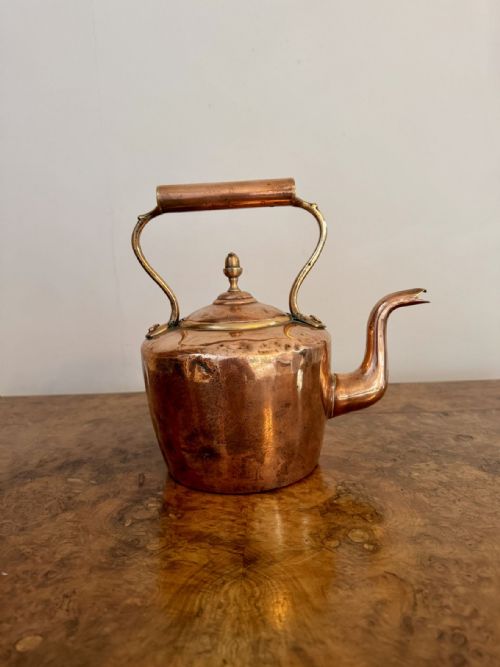
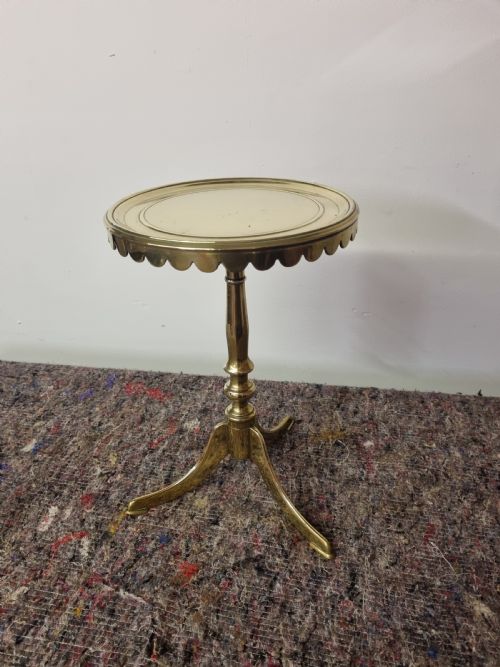
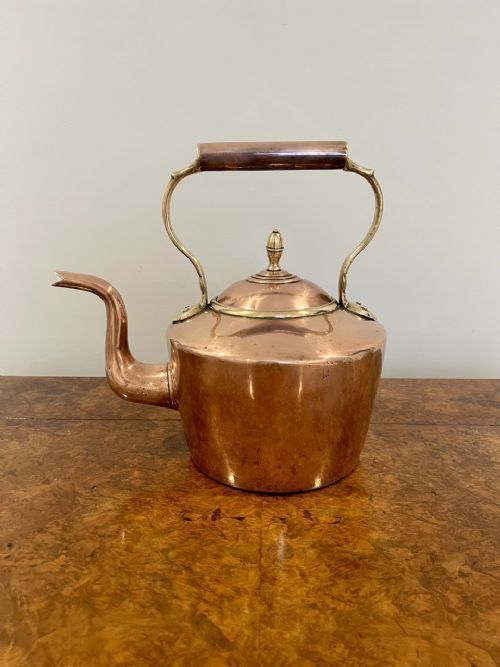
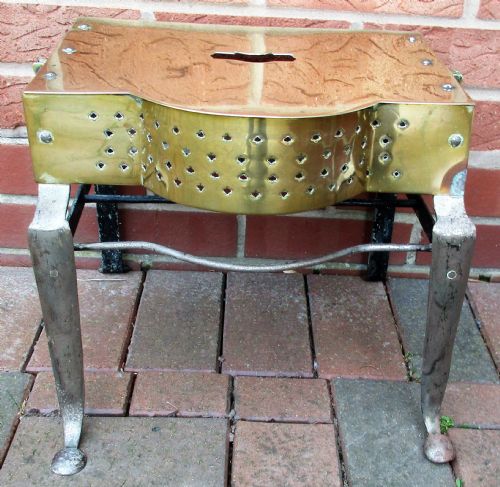
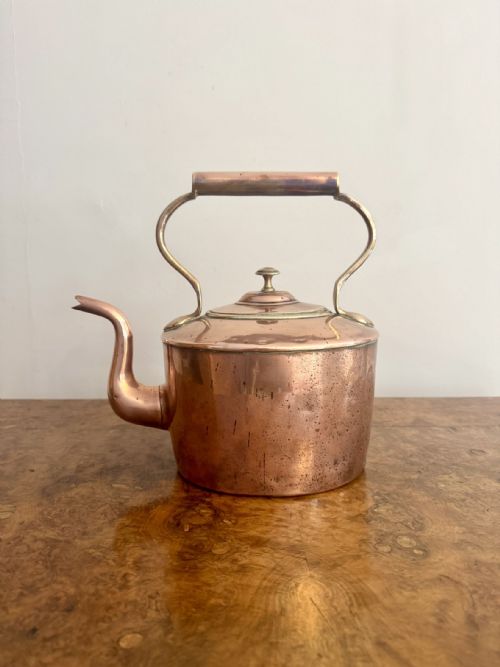
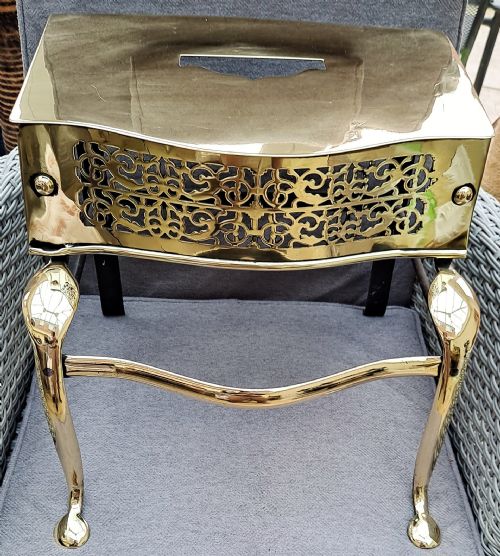
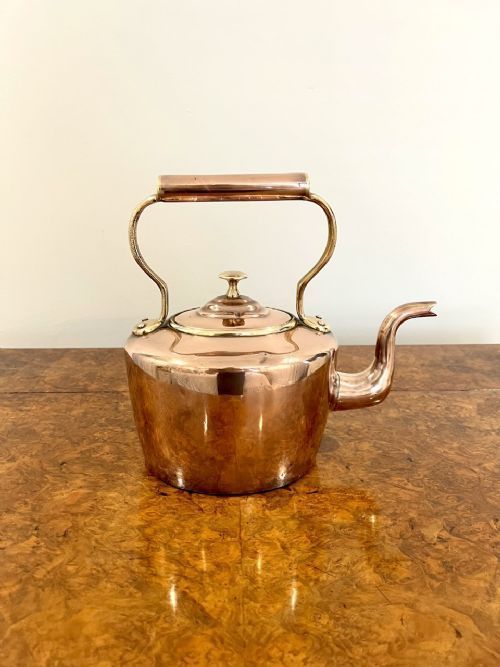
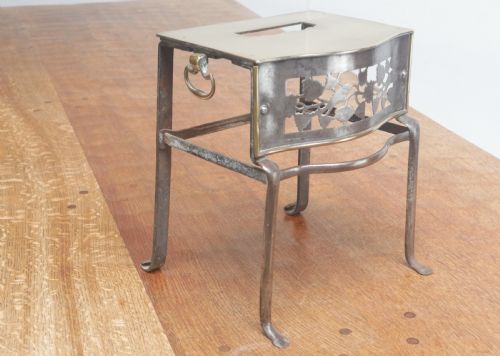
When you search for a georgian brass kettle, you encounter hearthside vessels and companion stands from the eighteenth and nineteenth centuries, including tea kettles, footmen, and trivets. The most common forms on this page are copper kettles alongside cast brass and steel footmen designed to sit directly by the fire.
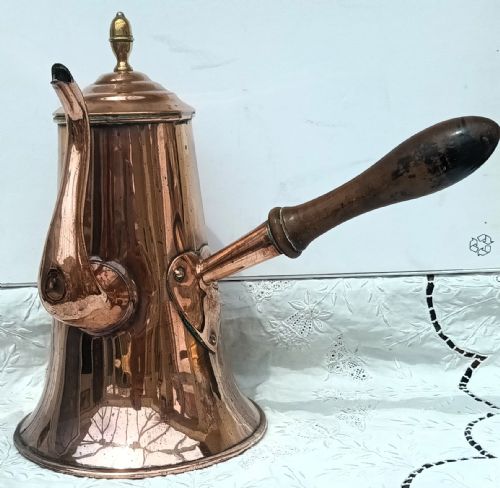
These items span periods from George III through the Regency era and into the nineteenth century, reflecting the practical demands of period domestic life. Alongside standard kettles, the listings include coffee pots, preserve warmers, and water urns that share the same fireside origins.
Originating in English and Welsh households, these pieces served functional roles in warming water and food before moving into decorative retirement. Their survival demonstrates the robust nature of everyday metalwork made during the Georgian period.
Materials and methods of construction
Makers utilised heavy gauge copper, cast brass, wrought iron, and steel to construct these vessels and stands, ensuring they could withstand intense hearth heat. Brass and copper provided the main body components, while iron and steel added structural strength to footmen and trivets.
Metalworking techniques involved sheet metal forming for kettles and casting for brass footmen legs and trivet frames. Surfaces were often polished to a bright finish, highlighting the contrast between warm copper, yellow brass, and dark iron.
Georgian Brass Kettle Retail Price Guide 2026
Typical asking prices for georgian brass kettle among the pieces listed under this phrase on Sellingantiques today, from the lower quarter to the upper quarter. They describe what is for sale here now, not the wider market.
Listings feature copper kettles alongside brass footmen, iron stands, and bronze preserve warmers from the Georgian and Regency periods.
Distinctions in quality and execution
Quality rests in the weight of the metal and the integrity of the construction, where thicker walls and heavier framing distinguish better examples from lighter utilitarian pieces. Superior kettles and footmen show careful attention to structural joints and handle attachments.
Proportion and form define the upper tier, with oval shapes and balanced cabriole legs showing greater design ambition than plain geometric stands. Maker attribution, such as works stamped by known metalworkers, further elevates a piece above standard domestic output.
William Soutter & Sons
The Georgian Brass Kettle Glossary
- Footman
- A metal stand placed by the hearth to warm plates or kettles near the fire. These typically feature brass tops supported by iron or steel legs.
- Trivet
- A small three or four legged stand used to support a kettle or pan over hot embers. They appear in cast brass and iron.
- Preserve warmer
- A specialised vessel, often made of bronze or copper, used for heating fruit jams and preserves over an open fire. They share the heavy construction of contemporary kettles.
- Water urn
- A large vessel designed to hold and heat substantial volumes of water by the hearth. These often take oval or cylindrical forms in polished copper.
Georgian Brass Kettle: Frequently Asked Questions
What is a Georgian brass kettle?
A Georgian brass kettle is a hearthside vessel designed for heating water, often accompanied by copper bodies and brass fittings.
These pieces reflect the domestic metalworking standards of the eighteenth and nineteenth centuries.
How were these kettles used?
They sat near or over the fire to provide hot water for tea and household tasks.
Footmen and trivets held the kettles and kept food warm close to the hearth flames.
How do I identify the period?
Periods are identified through construction methods, material choices, and stylistic cues associated with George III and Regency designs.
Heavier cast brass components and specific foot shapes often point towards these distinct eras.
How should I live with these items?
They suit modern interiors as display pieces near fireplaces or as standalone decorative objects.
Their polished copper and brass surfaces bring historical texture into contemporary rooms.