



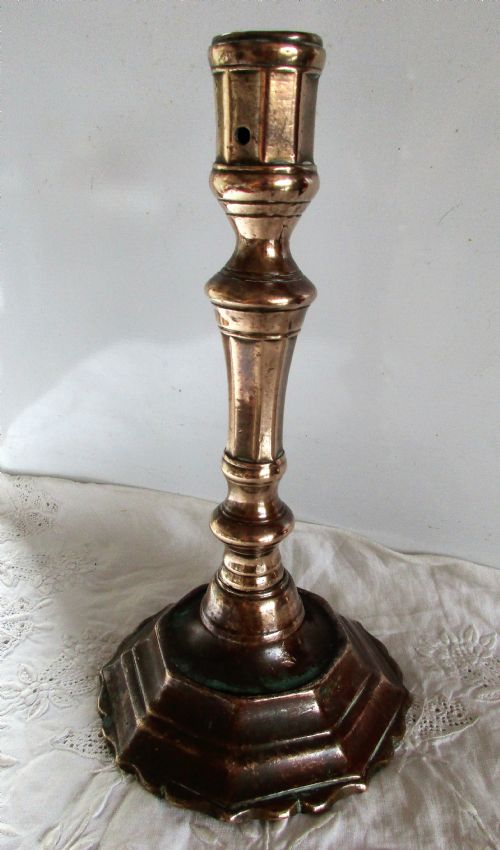
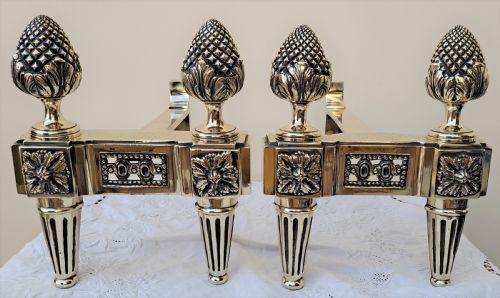
Georgian Brass Accessory
A georgian brass accessory brings period utility and polished warmth to an interior, encompassing everything from hearth ironmongery to desk equipment.
Georgian Brass Accessory
Buyers seeking a georgian brass accessory encounter a practical mix of domestic objects made primarily during the eighteenth and early nineteenth centuries. These pieces cross several domestic spheres, dividing chiefly into hearth equipment, desk furniture and utilitarian household items.
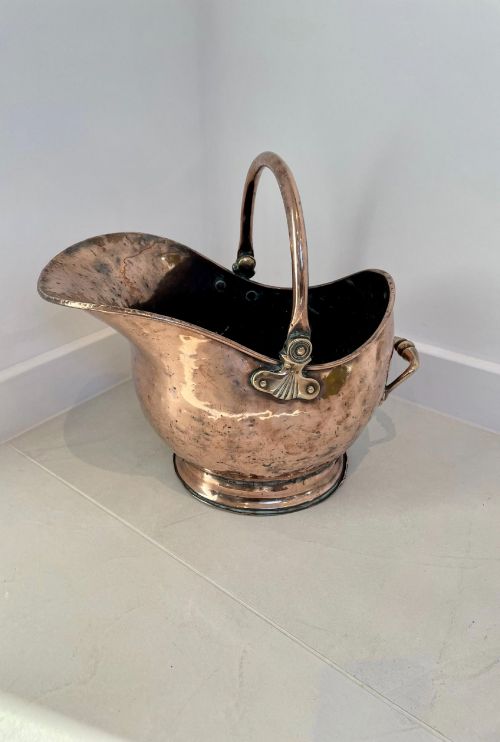
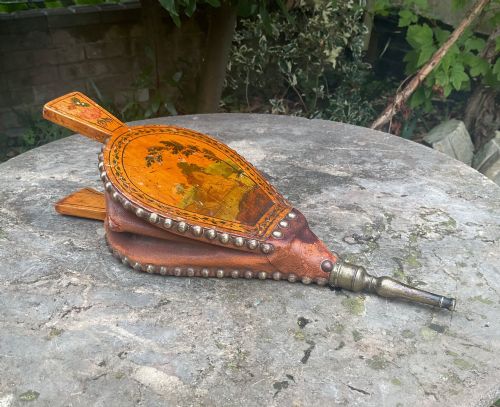
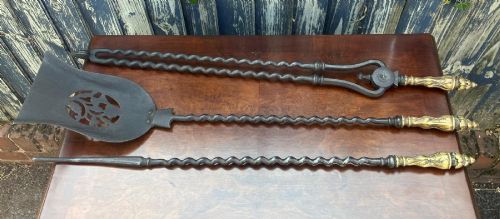
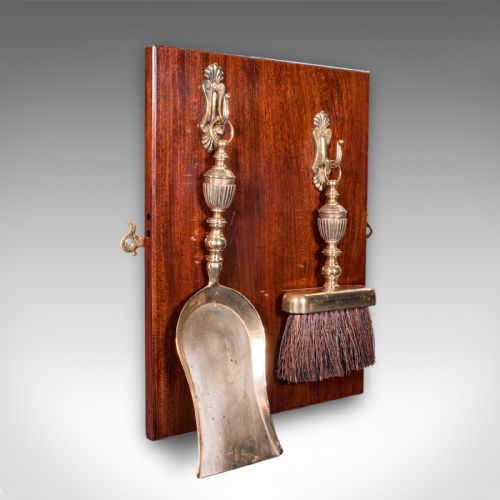
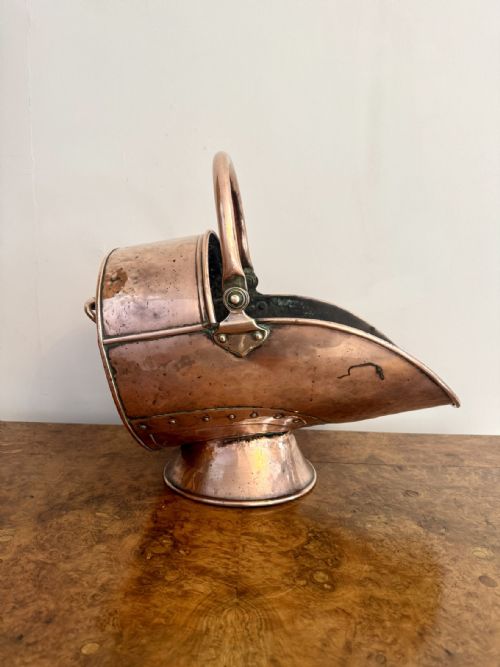
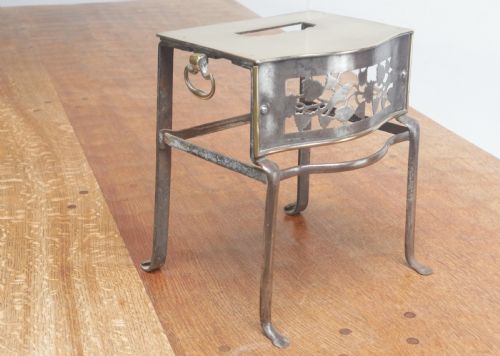
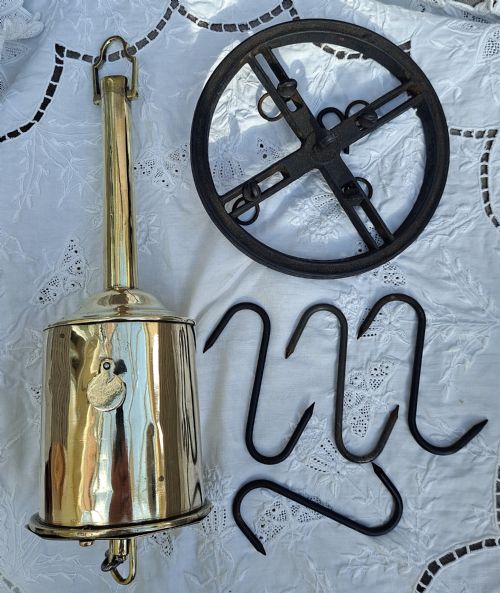
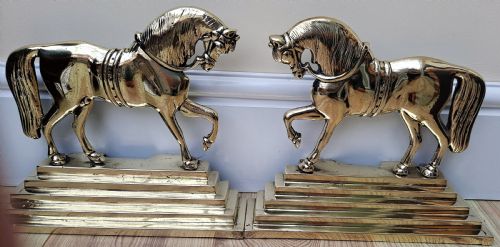
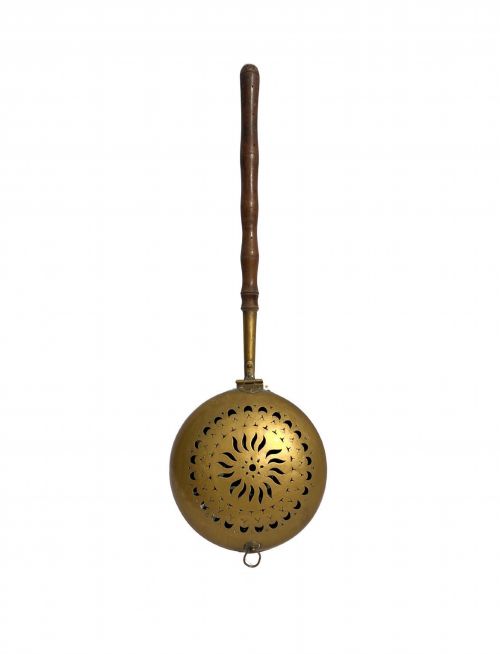
The hearth yields coal buckets, scuttles, footmen, and sets of fire irons alongside andirons and fenders. Desk accessories take the form of inkstands, standishes, and snuff boxes, while other domestic tools include foot jacks, warming pans, and bellows.
Most entries belong to the Georgian and Regency periods, utilising brass alongside copper, steel, and woods such as mahogany and rosewood. Construction methods reflect traditional workshop practices of the eighteenth and nineteenth centuries.
Materials and construction
Makers combined cast and sheet brass with wrought steel, iron, and copper to withstand regular domestic use. Brass elements were frequently cast, hammered, or turned, while wooden components utilised traditional joinery and coopered construction.
Surface finishes relied on polishing and hand-finishing rather than modern coatings, allowing the metals to age naturally. Steel parts were often polished to contrast with the warmer tones of the brass and copper.
Georgian Brass Accessory Retail Price Guide 2026
Typical asking prices for georgian brass accessory among the pieces listed under this phrase on Sellingantiques today, from the lower quarter to the upper quarter. They describe what is for sale here now, not the wider market.
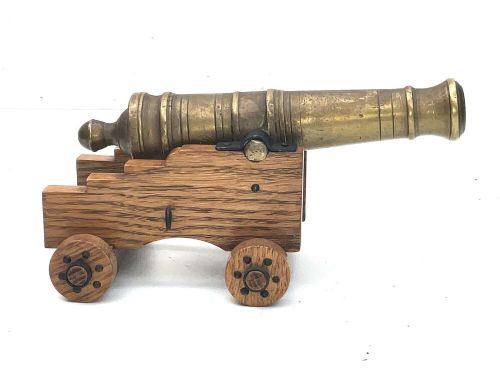
Several items double as miniature works of art, including a model of a muzzle-loaded field gun.
Assessing quality in period metalwork
Quality rests in the weight of the metal and the crispness of any applied chased or turned decoration. Substantial gauge brass and robust steel indicate utilitarian items built for heavy daily service rather than lighter decorative copies.
The integration of secondary materials, such as finely grained mahogany or rosewood on desk stands and coal buckets, signals superior workshop execution. Original fixings and matching sets of fire irons elevate the integrity of a piece.
John Linwood of Birmingham·A Richardson
The Georgian Brass Accessory Glossary
- Footman
- A metal stand placed in front of the fireplace to keep food or water warm. These items usually feature brass tops and iron legs.
- Andiron
- A horizontal iron support raised on legs, used to hold logs in an open fireplace. Pairs often feature decorative brass fronts.
- Standish
- A heavy desk tray fitted to hold inkwells, quill pens, and sanders. They are commonly fashioned from brass, wood, or glass.
- Fender
- A low metal guard placed around the hearth to contain sparks and ash. They appear in polished steel and brass combinations.
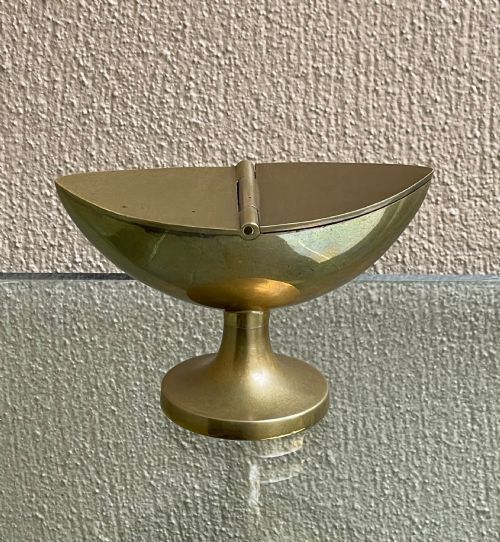
- Navette
- A pointed, boat-shaped outline typical of small decorative boxes and snuff containers from the period. This shape appears frequently in Regency smallwares.
Georgian Brass Accessory: Frequently Asked Questions
How do I clean antique brass?
Historic brass benefits from gentle dusting and occasional cleaning with appropriate non-abrasive metal polishes to maintain the surface. Avoid harsh chemical dips that strip away centuries of accumulated character.
Leaving a mellow patination untouched is often preferred by collectors who value the aged appearance of eighteenth-century metalwork.
Were these items purely decorative?
Almost all pieces served active daily functions in the Georgian household, from managing hearth fires to writing correspondence and warming beds.
Their decorative qualities developed naturally from robust utilitarian design and honest craftsmanship rather than superficial ornamentation.
How can I tell a Regency piece from a Georgian one?
Regency designs often incorporate sharper classical revival motifs, darker woods like rosewood, and tighter brass inlay work. Earlier Georgian items lean toward robust cast brass, simpler copper forms, and sturdy mahogany.
Overlaps in style occur because workshop traditions persisted across reigns, making material combinations a helpful guide alongside form.
Can I use a historic coal bucket today?
Many copper and brass coal buckets remain structurally sound for holding logs or kindling beside a modern fireplace. Lining older iron or wooden vessels protects the interior from moisture and wear.
Careful placement prevents accidental dents in softer antique metals during everyday hearth maintenance.