

Georgian Box Container
A Georgian box container brings domestic history to your table, offering practical storage fashioned from woods and metals with centuries of character.
Georgian Box Container
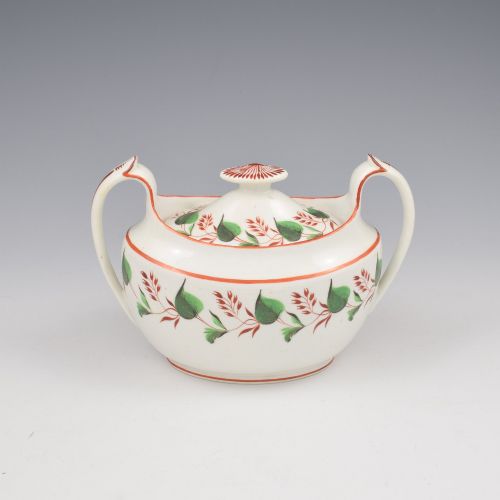
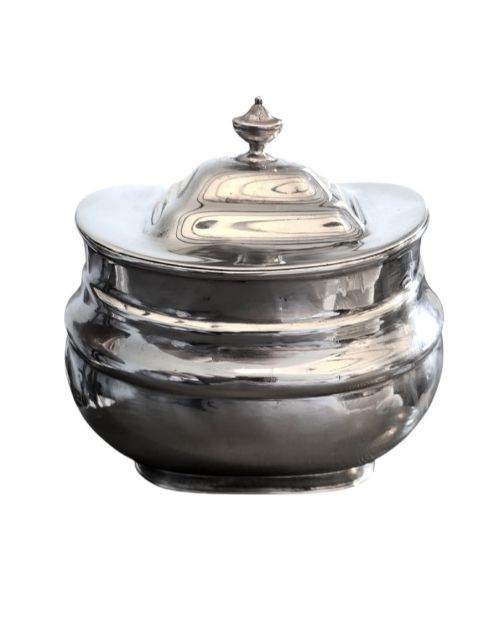
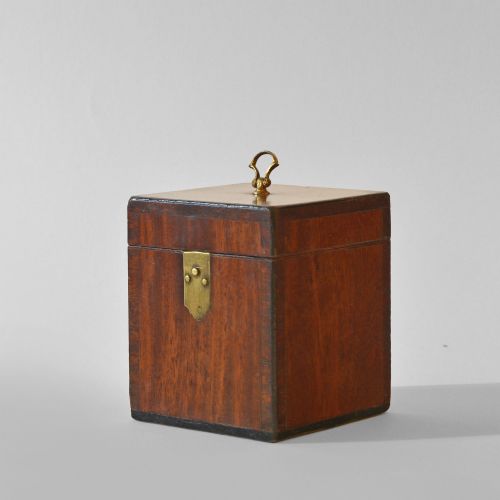
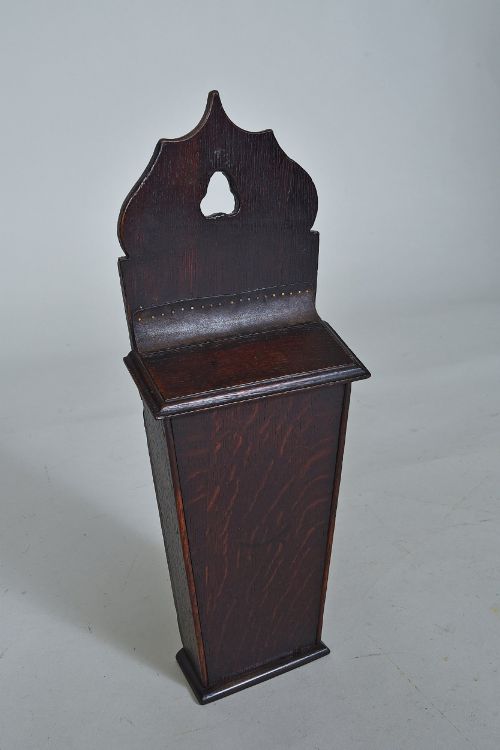
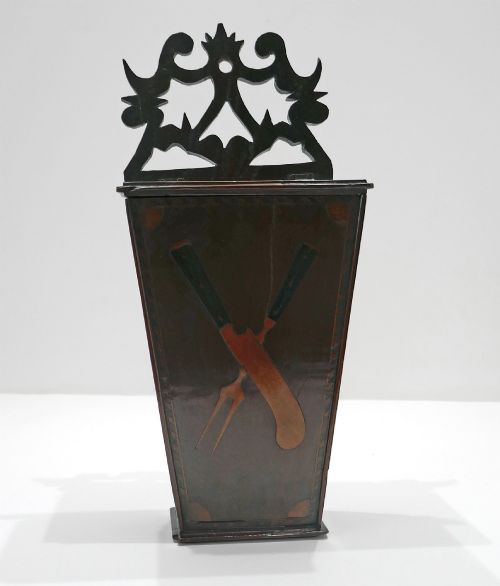
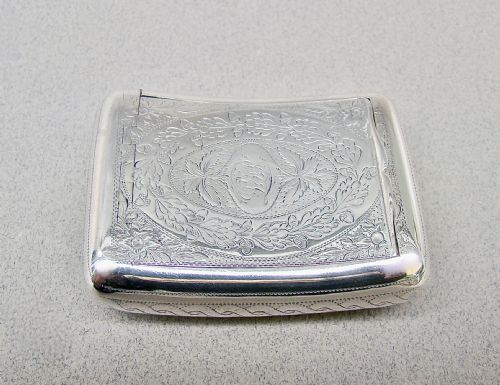
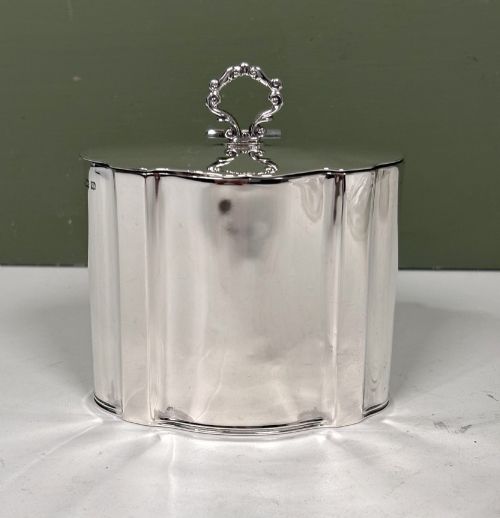
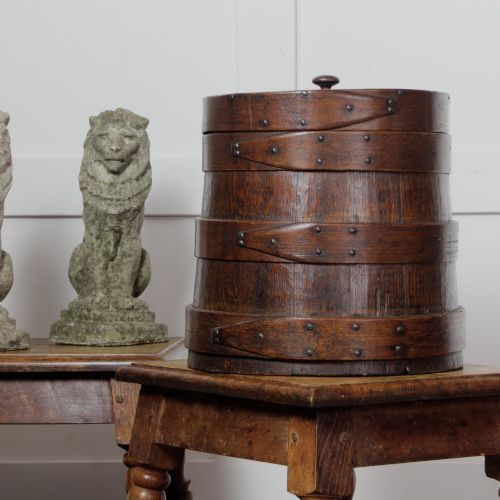
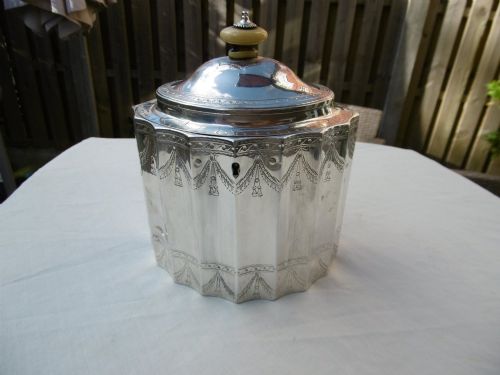
A georgian box container encompasses a diverse array of small lidded receptacles designed for tea, snuff, spices, and salt, spanning the eighteenth and nineteenth centuries. Buyers encounter forms ranging from mahogany tea caddies and treen spice towers to brass table snuff boxes and oak wall-hanging candle boxes.
The objects derive from periods including the Georgian era, Regency, and Victorian times, reflecting the everyday domestic needs of British households. These items frequently utilise traditional timbers such as oak, mahogany, and walnut alongside sterling silver, horn, and tortoiseshell.
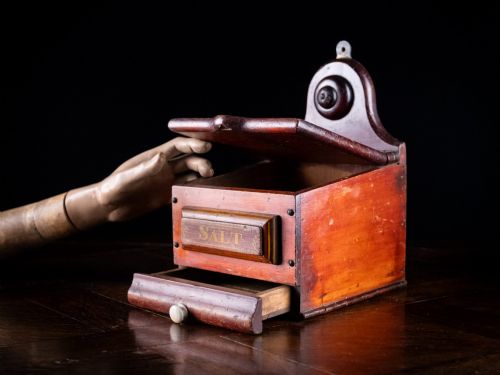
Tea caddies and snuff boxes represent the most common iterations on this page, often featuring fitted interiors or intricate inlaid patterns in boxwood and ebony. Utility pieces like flour bins and salt boxes also appear, showing the rustic country application of these wooden containers.
How they were made
Maker craftsmanship relies heavily on traditional woodworking techniques, utilising solid oak, mahogany, and walnut shaped into dovetailed or pegged joints for durability. Treen items and spice towers demonstrate precision turning on a lathe, while decorative examples incorporate fine veneers and parquetry.
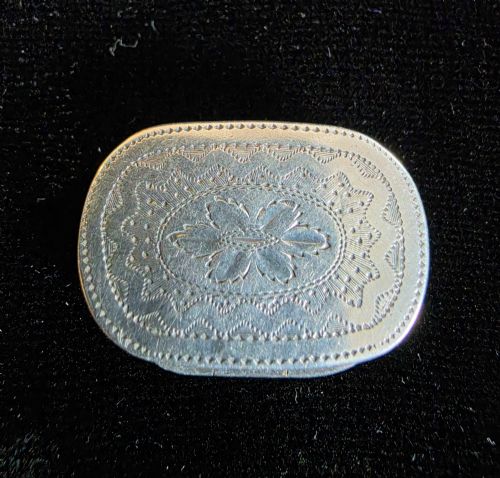
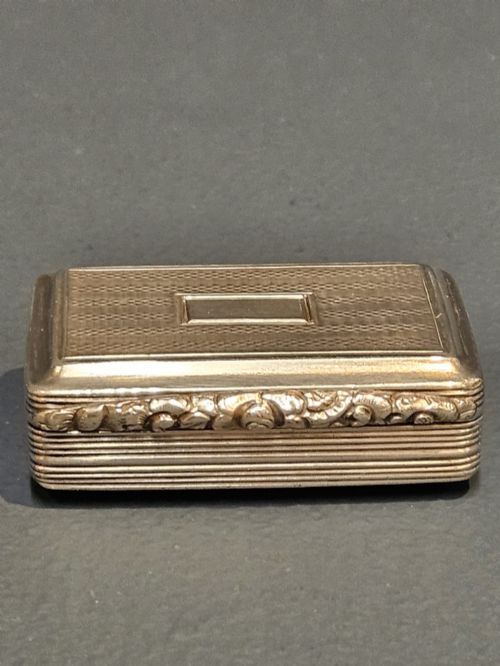
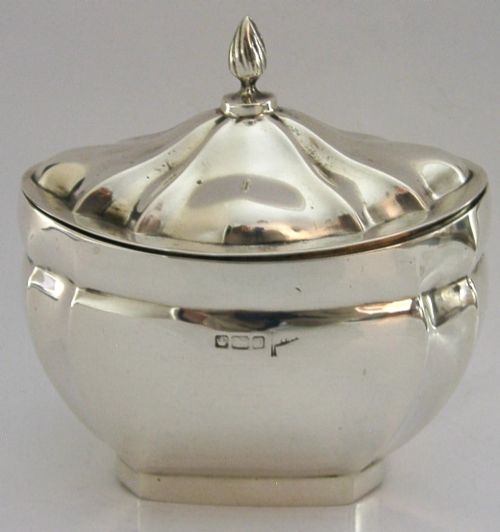
Metal containers employ sterling silver, brass, and toleware, often shaped through casting, stamping, and hand-engraving by silversmiths. Horn, tortoiseshell, and shell are carved or moulded to form delicate snuff boxes and scent bottle holders.
Iron hardware such as hinges and latches secures early salt and candle boxes, showing functional forged metalwork alongside painted or polished surfaces.
Georgian Box Container Retail Price Guide 2026
Typical asking prices for georgian box container among the pieces listed under this phrase on Sellingantiques today, from the lower quarter to the upper quarter. They describe what is for sale here now, not the wider market.
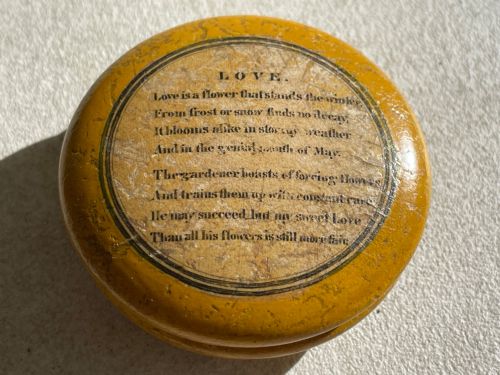
One remarkably specific treen snuff box bears the hand-painted name 'Martha Shields', preserving a forgotten owner in folk art.
What varies in quality
The refinement of decorative technique largely determines the distinction between standard utilitarian items and high-end examples, particularly in the precision of boxwood and ebony inlay or Tunbridge Ware. Fine silver pieces show crisp hallmarks, delicate chasing, and substantial weight from named makers.
Materials dictate much of the inherent value, where tortoiseshell, abalone shell, and solid sterling silver command greater attention than simple turned wood or basic brass. The survival of original fitted interiors, working keys, and intact hardware significantly elevates the standing of tea caddies and boxes.
Joseph Willmore·Robert Hennell·Zimmermann·Paul Storr·William Eaton
The Georgian Box Container Glossary
- Tea caddy
- A box or container specifically designed to store dry tea leaves, often featuring internal lidded compartments to separate different varieties. These vessels became essential household items as tea grew in popularity during the eighteenth century.
- Snuff box
- A small pocket-sized container used for holding dry powdered tobacco known as snuff. Makers fashioned these from silver, horn, tortoiseshell, papier-mache, and various carved woods.
- Treen
- Small handmade wooden household objects made by turning or carving. Spice towers and small boxes fall into this category of domestic woodenware.
- Tunbridge Ware
- A distinct type of decorative woodwork characterised by tiny mosaic tiles formed from naturally coloured woods to create pictorial designs. This technique frequently decorated nineteenth-century tea caddies and small boxes.
- Navette
- A boat-shaped decorative form featuring pointed ends and an oval centre. Table snuff boxes often adopted this graceful outline during the Georgian period.
- Mull
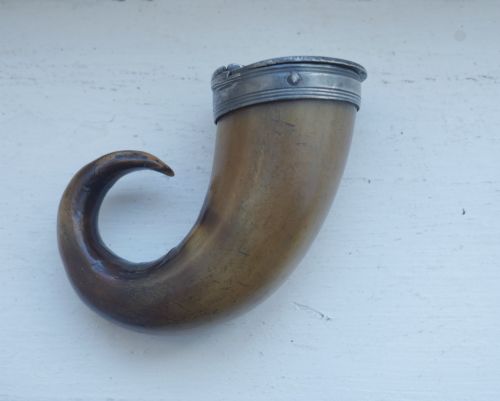
- A traditional Scottish snuff container fashioned from the horn of a ram or other animal, often mounted with silver.
Georgian Box Container: Frequently Asked Questions
What was a tea caddy used for?
A tea caddy served to store precious tea leaves safely under lock and key in the Georgian dining or drawing room. Because tea was an expensive commodity, these containers protected the leaves from moisture and pilfering.
Inside, many caddies featured divided compartments or small bowls for blending different varieties of tea before serving.
How do I identify a Georgian box?
Identification relies on examining the timber species, construction methods, and hardware styling typical of the eighteenth and early nineteenth centuries. Hand-cut dovetails, older patination, and period silver hallmarks help confirm the age of wooden and metal examples.
Fitted interiors and decorative motifs like stringing or parquetry also offer strong clues to the exact period of manufacture.
Were snuff boxes carried daily?
Pocket-sized snuff boxes accompanied their owners throughout daily social life for convenient access to powdered tobacco. Materials like horn, tortoiseshell, and silver endured frequent handling in pockets and waistcoats.
Larger table snuff boxes remained stationary in homes or public establishments for communal use during gatherings.
How should I clean antique wood?
Antique wooden boxes require gentle dusting with a soft, dry cloth to preserve their accumulated patina and historic wax finishes. Harsh chemical cleaners and excessive moisture can strip the aged surface and damage delicate veneers.
Occasional application of traditional beeswax helps nourish dry timber without altering the original colour.