


Georgian Bookshelf
A Georgian bookshelf brings domestic order through timber and tier, offering practical display for volumes and papers alike.
Georgian Bookshelf
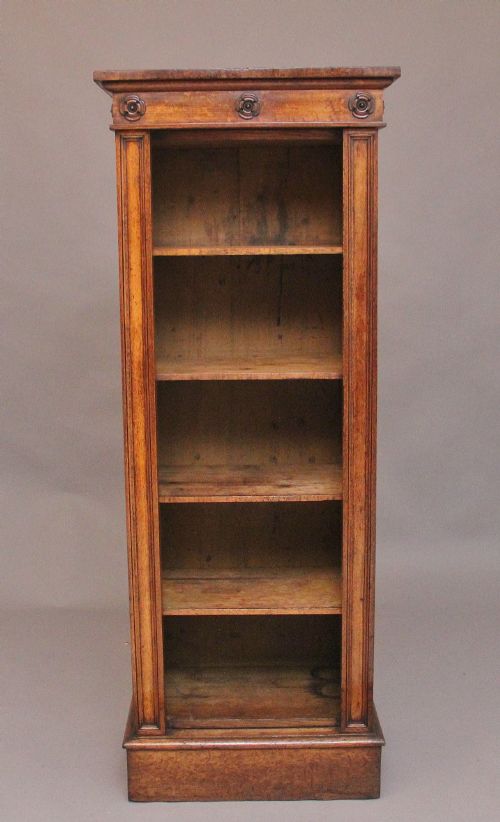
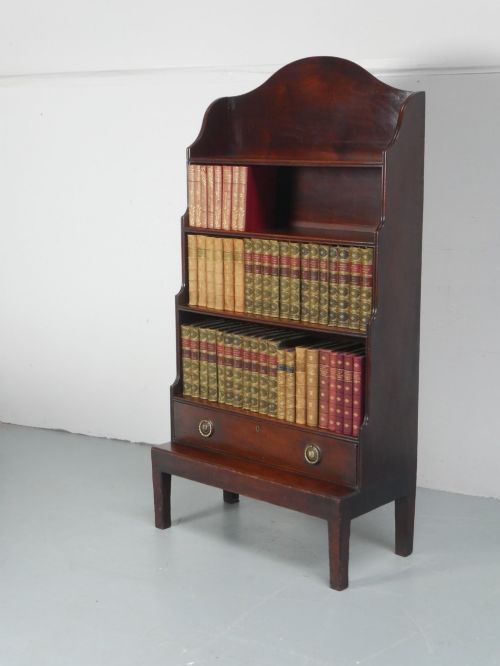
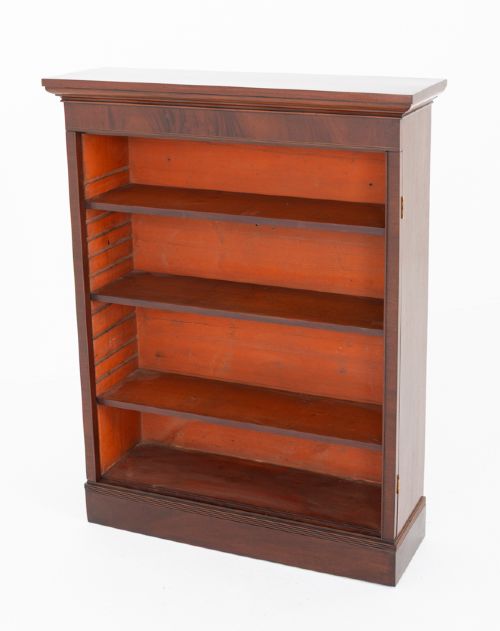
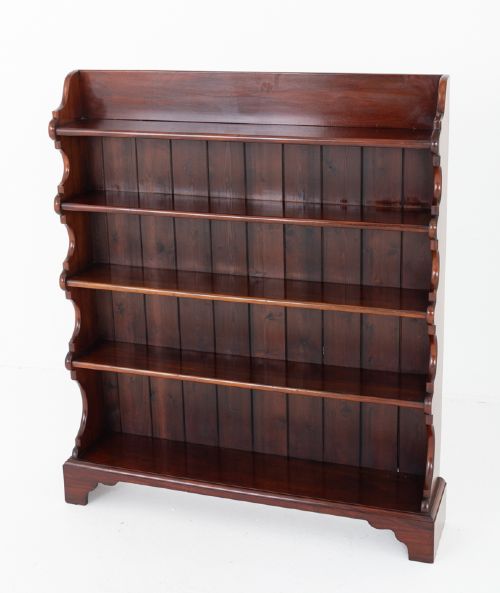
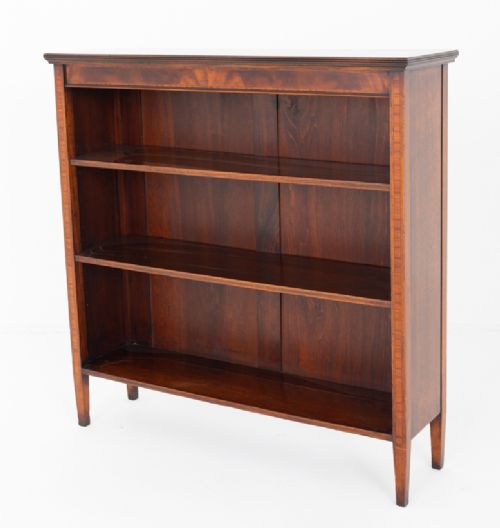
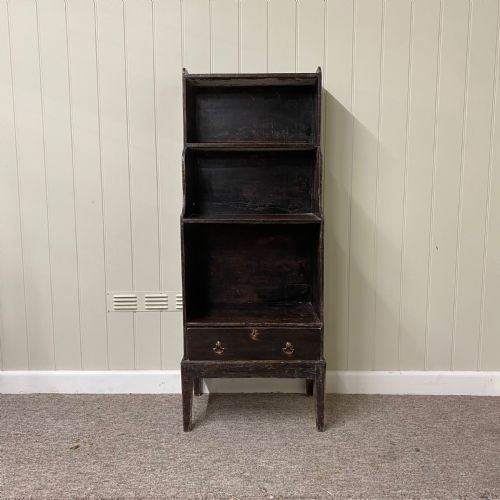
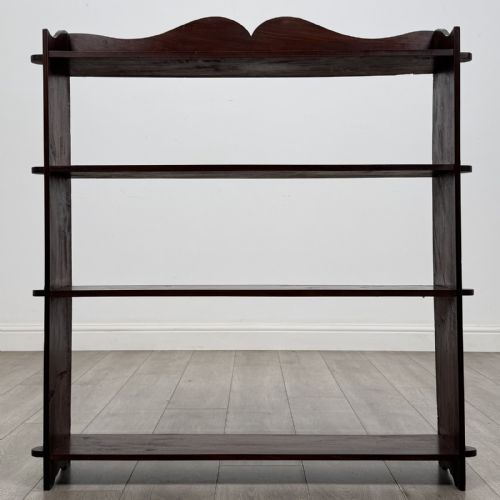
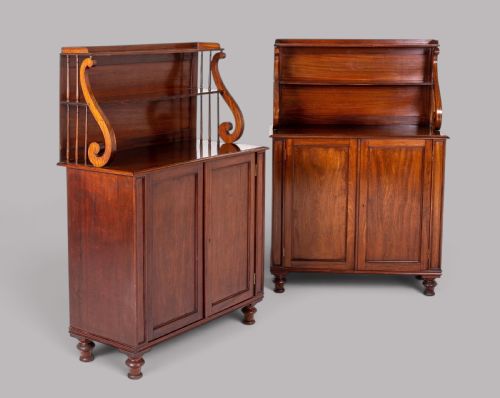
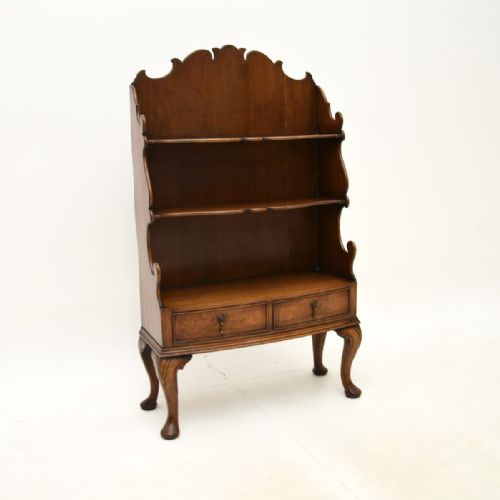
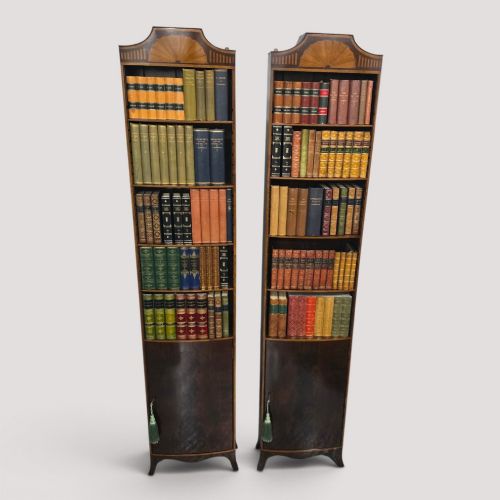
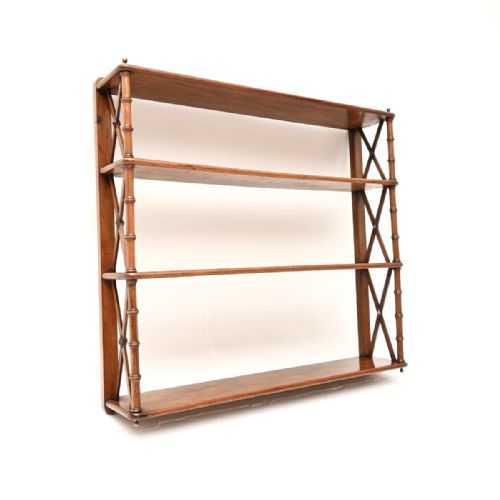
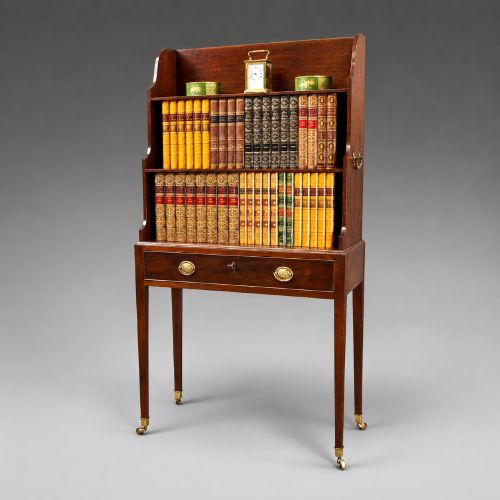
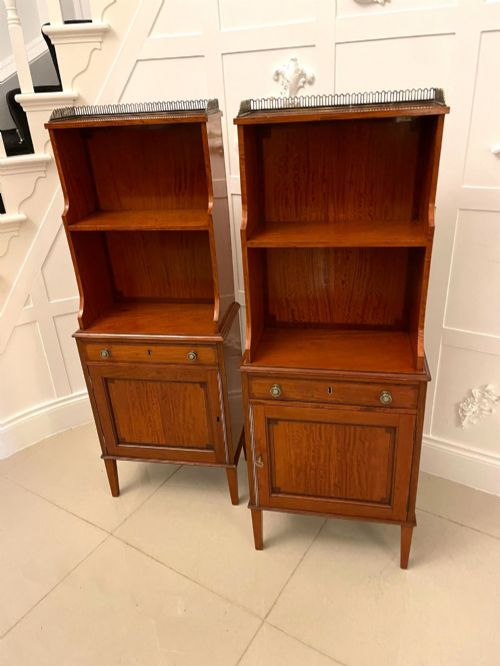
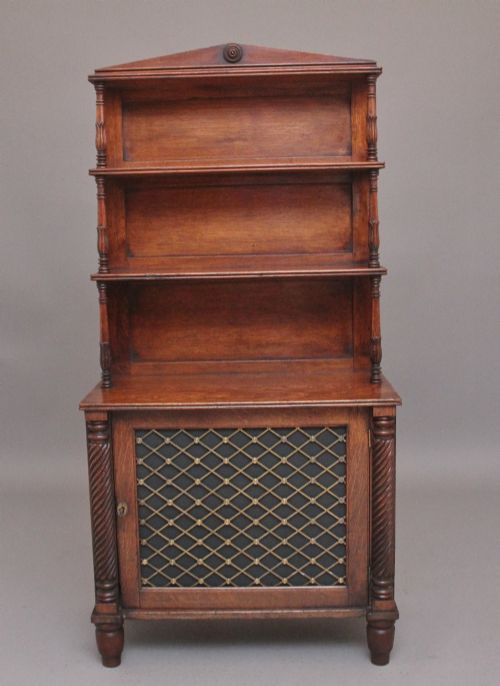
A georgian bookshelf on this page encompasses open front models, hanging shelves, and cascading waterfall designs produced across the eighteenth and nineteenth centuries, alongside later revival pieces.
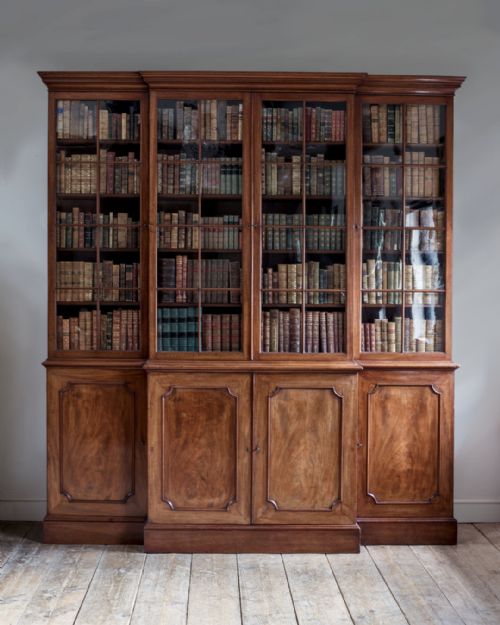
The most frequent form encountered here is the mahogany open bookcase, often fitted with adjustable tiers and occasionally incorporating cupboard bases or canted corners.
Originating in periods spanning the eighteenth century through the Edwardian era and the nineteen-thirties, these pieces reflect domestic storage needs across consecutive generations of cabinet making.
Materials and construction
Cabinet makers relied primarily on mahogany, walnut, and rosewood, frequently selecting figured flame veneers or incorporating contrasting satinwood and brass details.
Construction techniques involve bracket feet, carved top edges, and inlaid decoration, with hanging shelves and wall-mounted formats utilising sturdy timber joints to support heavy volumes.
Georgian Bookshelf Retail Price Guide 2026
Typical asking prices for georgian bookshelf among the pieces listed under this phrase on Sellingantiques today, from the lower quarter to the upper quarter. They describe what is for sale here now, not the wider market.
Listings feature mahogany, walnut, rosewood, and satinwood, spanning the eighteenth century to the nineteen-thirties.
Gradations of quality
The distinction between standard utility and superior execution lies in the selection of timber grain, such as rich flame mahogany or burr walnut, matched across prominent surfaces.
Refinement shows in the crispness of carved top edges, the precision of inlaid details, and the integration of functional elements like adjustable shelving systems and bracket feet.
Gillows·Waring and Gillows
The Georgian Bookshelf Glossary
- Waterfall bookcase
- A tiered open shelving unit where each successive shelf steps back from the one below, creating a cascading profile popular in nineteenth-century rooms.
- Breakfront
- A cabinet or bookcase whose central section projects forward from the flanking wings, creating visual depth and architectural presence.
- Canted corners
- Vertical edges that are bevelled or cut at an angle rather than meeting in a square ninety-degree joint.
- Bracket foot
- A simple architectural foot supporting the base of a cabinet, shaped from a corner block and mitred at the joint.
Georgian Bookshelf: Frequently Asked Questions
How do I spot a genuine period piece?
Examine the timber surfaces for age-appropriate wear, hand-cut joinery methods, and the consistency of the grain within the primary wood.
Secondary timbers at the back and interior linings provide further confirmation of the period through their traditional preparation and tool marks.
Are these shelves suitable for heavy books?
Many examples feature adjustable wooden shelving designed specifically to bear the weight of substantial volumes without sagging over time.
Wall-mounted hanging shelves require secure fixing to solid masonry or studs to safely support a collection of heavy texts.
What is a dwarf bookcase?
A dwarf bookcase is a low-standing shelving unit designed to sit below window height, keeping floor space open while holding a modest library.
These pieces often combine display surfaces on top with accessible open shelves for everyday reading material.
How should I care for mahogany and walnut timber?
Maintain a stable indoor environment away from direct sunlight and heat sources to prevent the natural timber from drying out or splitting.
Apply traditional wax sparingly and polish with a soft cloth to nourish the grain and preserve the original finish.