






Georgian Black Mirror
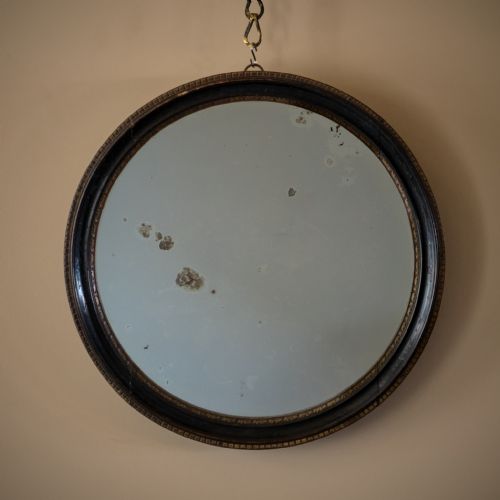
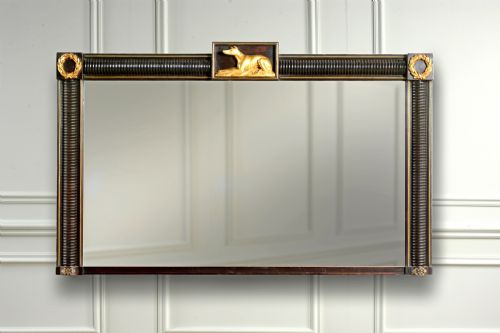
A georgian black mirror brings dark lacquer and gilt to a wall, catching the light in a room.
Georgian Black Mirror
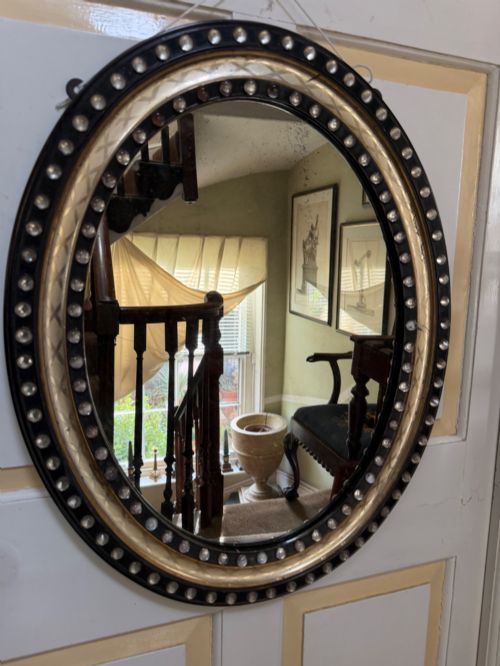
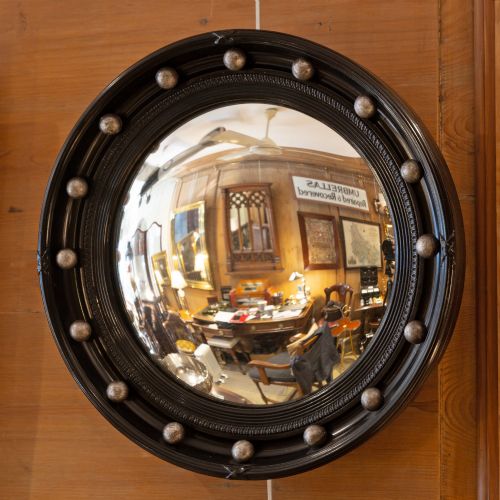
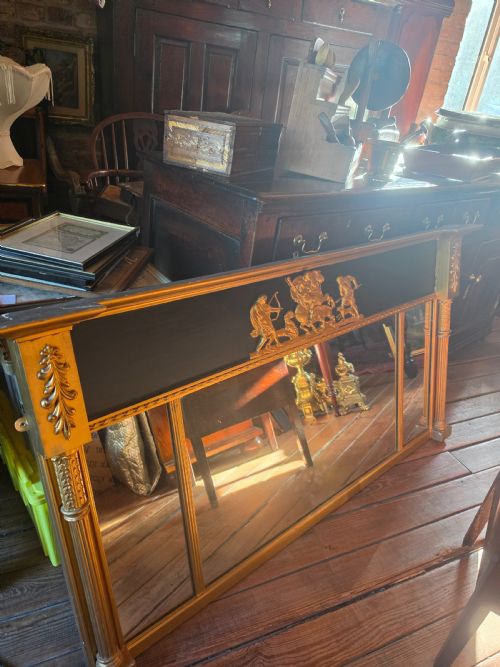
When you search for georgian black mirror, you enter a field of dark-finished surfaces, gilt accents, and centuries-old craftsmanship. These objects include wall mirrors, overmantel mirrors, dressing mirrors, and toilet mirrors originating from the Georgian, Regency, and later revival periods.
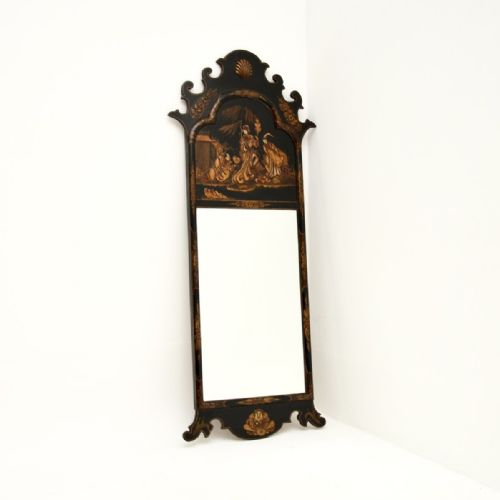
The most common examples you meet on this page rely on black lacquer, ebonised wood, and japanning, often decorated with Chinoiserie motifs or parcel gilt highlights. Alongside these, you find Chinese export pieces and reverse painted glass panels housed in dark frames.
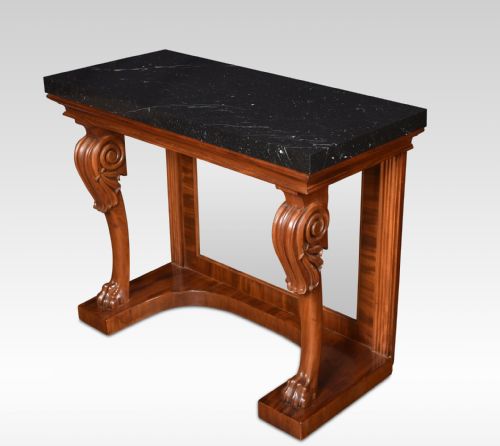
Forms range from small hand mirrors and oval wall plates to large overmantels and console tables with black finishes. Makers utilised traditional joinery and finishing techniques to create deep, reflective surfaces that suit both period interiors and modern spaces.
How they were made
Workshops built these frames from wood, applying layers of black lacquer, ebonised finishes, or japanning to achieve a deep, dark ground. Artisans then added gilt, parcel gilt, or painted details by hand, often incorporating Chinese export or Chinoiserie scenes.
Glass plates were set within these dark wooden structures, sometimes featuring original mirror glass or Chinese reverse painted panels. Joinery methods varied by period, supporting heavy overmantel frames or delicate dressing mirror mounts alike.
Georgian Black Mirror Retail Price Guide 2026
Typical asking prices for georgian black mirror among the pieces listed under this phrase on Sellingantiques today, from the lower quarter to the upper quarter. They describe what is for sale here now, not the wider market.
Listings here span the eighteenth, nineteenth, and early twentieth centuries, uniting ebonised wood, lacquer, and gilt glass.
What varies in quality
The depth of the black finish and the crispness of the gilt work set the standard across these pieces. Hand-painted Chinoiserie details show distinct levels of artistic skill, separating hurried production from careful workshop execution.
The survival of original mirror plates and glass panels influences the character of each piece. Frames that retain their early wood substance and original surface treatments hold greater integrity than those with heavy later interventions.
The Georgian Black Mirror Glossary
- Ebonised wood
- Timber stained or painted to imitate ebony. This dark finish provides a stark contrast to gilt highlights on Regency and Georgian frames.
- Japanning
- European imitation of East Asian lacquerwork. Craftsmen built up layers of varnish and black ground, often decorating the surface with raised metallic motifs.
- Chinoiserie
- European theatrical interpretation of Chinese and East Asian artistic traditions. It appears on mirrors through painted figures, landscapes, and pavilions set against black lacquer.
- Parcel gilt
- Partial gilding applied to specific areas of a frame. On black mirrors, gold leaf picks up carved details while leaving the dark background exposed.
- Overmantel mirror
- A large mirror designed to hang above a fireplace mantel. These pieces often feature wide frames and substantial proportions to anchor a room.
Georgian Black Mirror: Frequently Asked Questions
Where should I hang a black mirror?
These pieces suit living rooms, hallways, and bedrooms where dark frames can anchor a wall arrangement. Overmantel mirrors sit naturally above a fireplace, while smaller wall and dressing mirrors work well above console tables.
The dark lacquer and gilt finishes reflect ambient light, making them effective in spaces that need both visual weight and brightness.
How do I identify a Georgian black mirror?
Look at the construction materials, joinery methods, and surface treatments used on the frame. Ebonised wood, black lacquer, and japanning point toward the eighteenth and nineteenth centuries.
Examine the backboards, fixings, and glass plates for signs of age. Original mirror glass often shows subtle distortion and foxing that modern manufacturing does not replicate.
What is the difference between japanning and lacquer?
True Asian lacquer relies on the sap of the toxicodendron vernicifluum tree, applied in numerous thin layers. Japanning is the European derivative, using shellac-based varnishes over a dark ground to achieve a similar glossy black finish.
Both techniques create durable, reflective surfaces that served as the foundation for gilt and Chinoiserie decoration on period frames.
Are these mirrors fragile?
Like all antique furniture and mirrors, these pieces require careful handling and stable environmental conditions. The combination of historic wood, lacquer, and glass means sudden humidity changes can affect the frame.
Wall-mounted examples need secure fixings suited to their weight, particularly large overmantel and floor-standing dressing mirrors.