





Georgian Kitchen Utensils
Georgian antique kitchen utensils are domestic implements in brass, pewter, wood and silver that bring honest utilitarian history directly to the modern interior.
Georgian Kitchen Utensils
When you search for georgian antique kitchen utensils, you encounter practical items forged, turned and hammered for daily domestic service in past centuries. The selection here centres on utilitarian forms from the Georgian and Victorian eras, alongside related rustic country pieces.
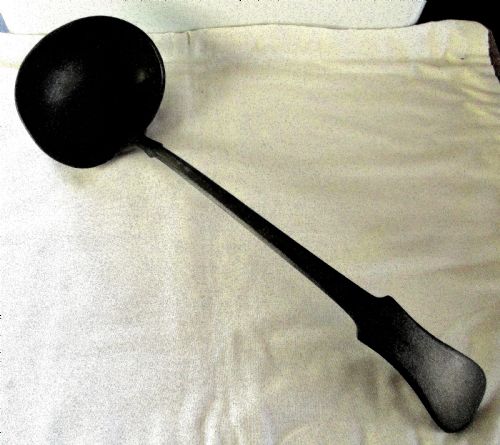
You are most likely to meet ladles, skimmers, basting spoons and apple corers fashioned from enduring metals and dense timbers. These survivors from hearth and scullery bridge the gap between humble culinary tools and collectible domestic artefacts.
How they were made
Makers utilised resilient metals such as brass, pewter, tin, copper and wrought iron, shaping them through hammering and casting to withstand heavy daily use by the hearth. Iron skillets and brass skimmers required robust smithing techniques to endure intense fire and heavy handling.
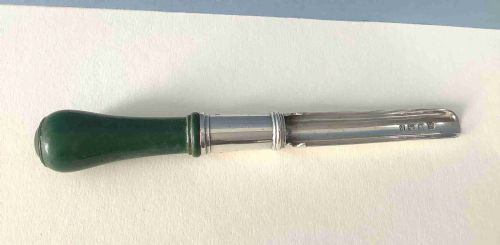
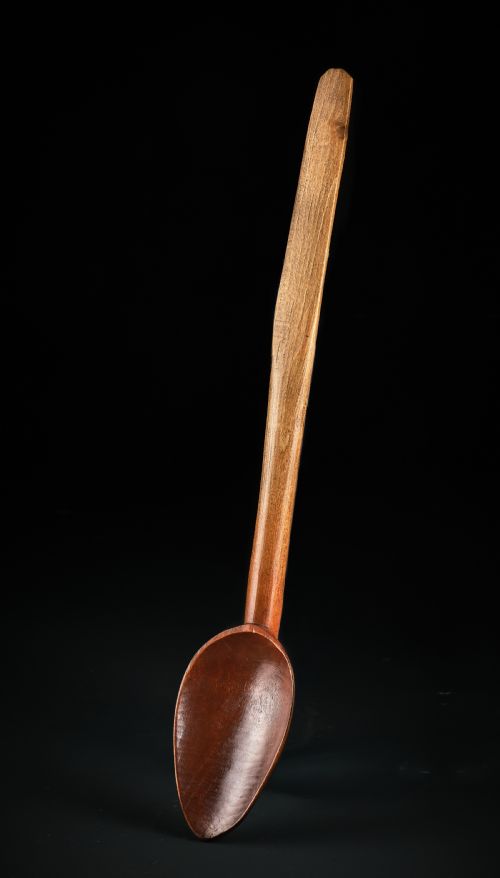
Wooden utensils like basting spoons and bannock turners relied on traditional turning and carving methods, employing dense timbers such as beechwood. Silver items, including apple corers, received finer silversmithing work, reflecting their more delicate fruit-handling purpose.
Georgian Kitchen Utensils Retail Price Guide 2026
Typical asking prices for georgian kitchen utensils among the pieces listed under this phrase on Sellingantiques today, from the lower quarter to the upper quarter. They describe what is for sale here now, not the wider market.
Even a humble apple corer from 1808 required solid silver to remove pips with polite Georgian decorum.
What varies in quality
The distinction between ordinary and exceptional kitchenware rests on the harmony of material weight, tool marks and surviving original surface texture. Pieces that retain their honest working patination without excessive modern intervention command greater respect.
Subtlety of form and the crispness of maker touches, such as touchmarks on pewter or careful wood turning, separate standard utility items from those intended for finer country houses.
Dixon And Son
The Georgian Kitchen Utensils Glossary
- Bannock turner
- A flat wooden kitchen implement historically used for flipping oatcakes or flatbreads on a hearth griddle. Scottish vernacular versions display regional turning traditions.
- Skimmer
- A shallow perforated utensil designed for skimming fat or foam from boiling liquids. These appear frequently in brass, copper and tin.
- Treen
- Small handmade wooden objects for domestic use, shaped by turning or carving. Beechwood basting spoons belong to this broad category of early woodenware.
- Pewter
- A malleable metal alloy of tin with copper and lead, utilised for durable domestic tableware and ladles. Dixon and Son worked extensively in this medium.
Georgian Kitchen Utensils: Frequently Asked Questions
What are georgian antique kitchen utensils made from?
These implements are fashioned from a variety of durable materials suited to hearthside tasks, including brass, pewter, tin, copper, wrought iron and sterling silver. Wood, particularly beechwood, is also common for items like basting spoons and turners.
Makers selected each material based on its practical function, ensuring metals could withstand heat and moisture while timbers provided lightweight utility for food preparation.
How were these kitchen items originally used?
They served essential roles in daily food preparation, cooking and serving within domestic kitchens and hearths. Ladles and skimmers managed boiling liquids and stews, while specialised tools like apple corers handled fruit.
Many pieces originated in country houses or vernacular settings where durability and practical design were paramount for feeding households before modern conveniences.
How do I care for antique metal kitchenware?
Metals such as brass, pewter and iron require gentle maintenance to preserve their historic surface patination and prevent active corrosion. Regular dusting and occasional light cleaning with appropriate non-abrasive materials keep the surfaces stable.
Avoid aggressive modern polishes that strip away the aged character accumulated over centuries of service in the scullery.
How can I tell Georgian items from Victorian pieces?
Georgian pieces typically exhibit earlier forging and turning characteristics associated with eighteenth and early nineteenth-century domestic life. Victorian items often reflect expanding industrial manufacturing methods and slightly later stylistic preferences in country houses.
Examining the metalwork techniques, handle construction and any surviving maker touchmarks helps clarify the period of manufacture.