

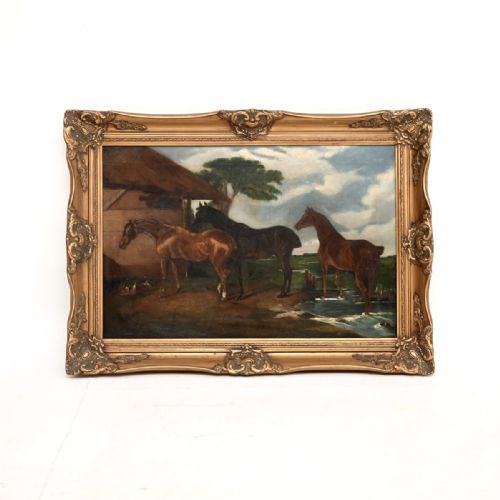


Georgian Animal Artwork
Georgian animal artwork brings the natural world of the eighteenth and early nineteenth centuries into the room through paintings, etchings, and prints.
Georgian Animal Artwork
Georgian animal artwork captures horses, dogs, lions, pigs, and hippos across oil paintings, etchings, and framed prints. These works span the eighteenth century, the nineteenth century, and the Regency era, reflecting both domestic farming life and exotic wildlife representation.
Collectors frequently encounter works by named artists alongside pieces from the British school and sporting art traditions. The selection includes detailed oil paintings on canvas and wood panels alongside delicate paper engravings preserved behind glass.
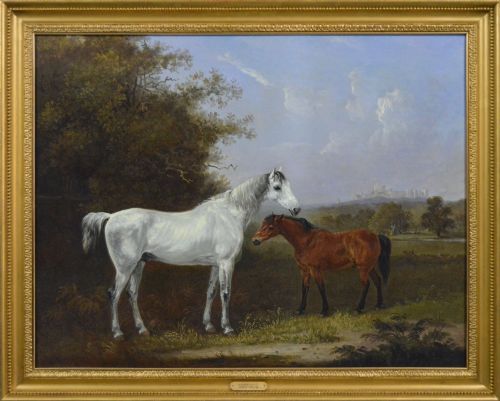
The subjects range from farmyard animals and hunting hounds to grand equine portraits set near Windsor Castle. Each piece provides a window into period attitudes towards livestock, sport, and natural history illustration.
How They Were Made
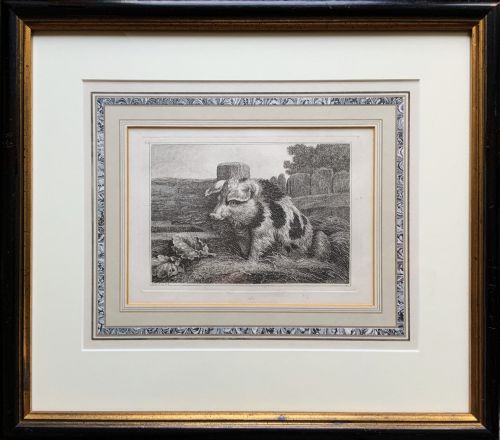
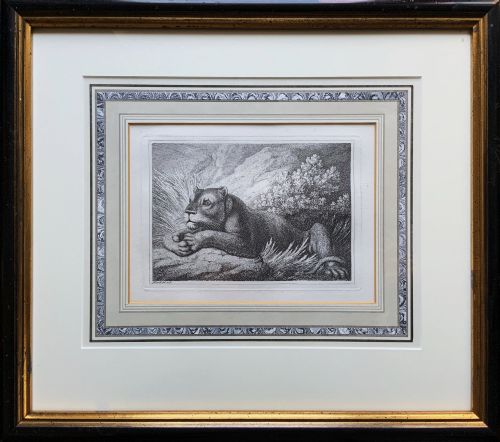
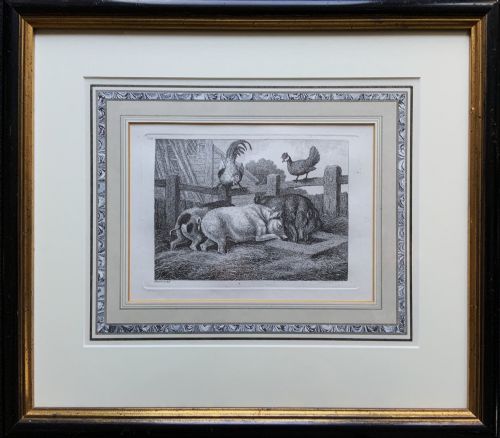
Artists of the period applied oil paint to stretched canvas or prepared wood panels using fine brushes to render fur, muscle, and landscape details. Engravings and etchings on paper utilised inked metal plates pressed under pressure to capture fine lines.
Georgian Animal Artwork Retail Price Guide 2026
Typical asking prices for georgian animal artwork among the pieces listed under this phrase on Sellingantiques today, from the lower quarter to the upper quarter. They describe what is for sale here now, not the wider market.
What Varies in Quality
Quality rests upon the precision of the draughtsmanship and the artist's ability to render the anatomy and expression of the animal. Works attributed to established painters or skilled printmakers demonstrate superior handling of light, shadow, and texture compared to simpler workshop output.
The survival condition of the paper, canvas, and frame significantly influences the piece. Original period frames and clean, unblemished oil surfaces or crisp etching lines elevate the standing of the artwork within its genre.
Samuel Howitt·Edmund Bristow·Samuel Raven·James Ward·George Stubbs
The Georgian Animal Artwork Glossary
- Etching
- A printmaking technique where lines are bitten into a metal plate with acid before being inked and pressed onto paper. This process allows for fine, detailed lines characteristic of period works on paper.
- Giltwood
- Wood that has been carved and coated with a thin layer of gold leaf or gilt. It appears frequently on the frames surrounding Georgian paintings and prints.
- Sporting Art
- A genre of painting and printmaking focused on horses, hounds, hunting, and rural pursuits. It forms a major category within eighteenth and nineteenth-century visual culture.
- Oil on Wood
- A painting technique where pigments bound in oil are applied directly to a wooden panel rather than canvas. This solid support was common for smaller cabinet-sized works of the period.
Georgian Animal Artwork: Frequently Asked Questions
What animals appear in these artworks?
The available pieces feature horses, hounds, spaniels, farmyard pigs, lions, and hippopotamuses. These subjects reflect both domestic livestock and wild animals studied by naturalists and artists of the era.
Commissioned portraits often focused on specific named animals like the hound Lady, while sporting scenes captured working horses and hunting dogs in action.
How do I date a Georgian animal painting?
Dating relies on stylistic markers, costume details in accompanying human figures, and the specific medium used. Works often carry attribution to artists with well-documented working decades between the eighteenth and nineteenth centuries.
Framing materials and backing papers also provide helpful clues, though examination of the canvas preparation and pigment types offers the firmest chronological evidence.
Where should I hang these artworks?
These pieces suit traditional studies, libraries, or living rooms where their rich oil tones and period frames can be appreciated at close range. Smaller wood panel paintings and framed etchings work well grouped together on a panelled or dark-painted wall.
Direct sunlight should be avoided to protect both the oil pigments and the paper prints from fading over time.
What is the difference between an etching and an oil painting?
An etching is a printed work on paper created from an inked metal plate, allowing for multiple impressions of the same detailed drawing. An oil painting is a unique, hand-painted work created with pigments suspended in oil on canvas or wood.
Paintings offer textured brushwork and deep colour, whereas etchings provide crisp, linear detail and monochrome or lightly tinted imagery.