


Georgian and Victorian Jewellery
Georgian and victorian jewellery spans rings, earrings, brooches, and fobs crafted in silver, gold, and paste, offering distinct period character for everyday wear or collection.
Georgian and Victorian Jewellery
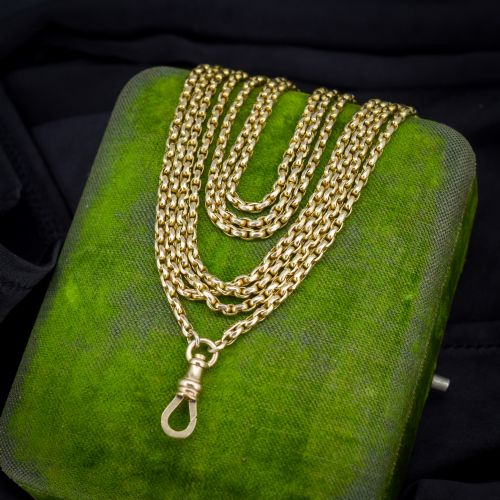
When searching for georgian and victorian jewellery, buyers encounter a diverse selection of rings, earrings, brooches, pendants, and watch fobs spanning the eighteenth and nineteenth centuries. The pieces on this page reflect the aesthetic shifts from the formal elegance of the Georgian era through to the sentimental and ornate designs of the Victorian period.
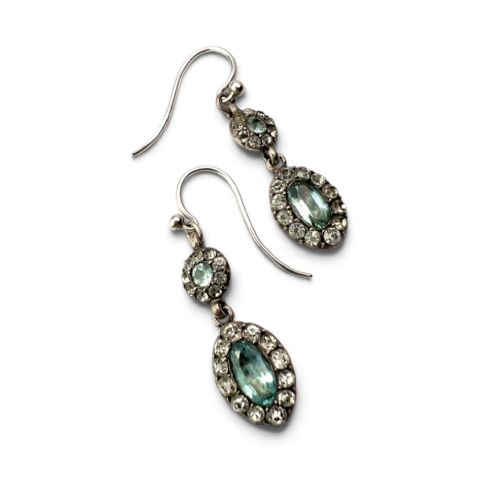
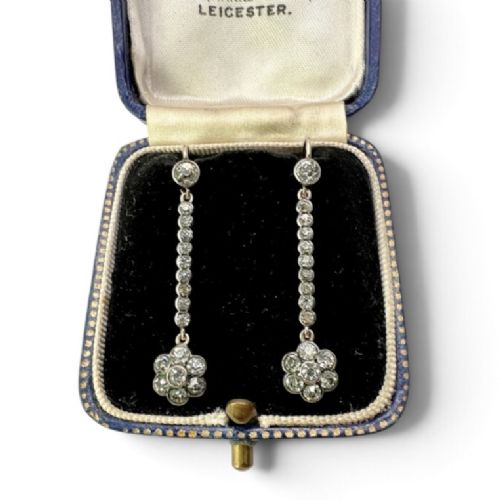
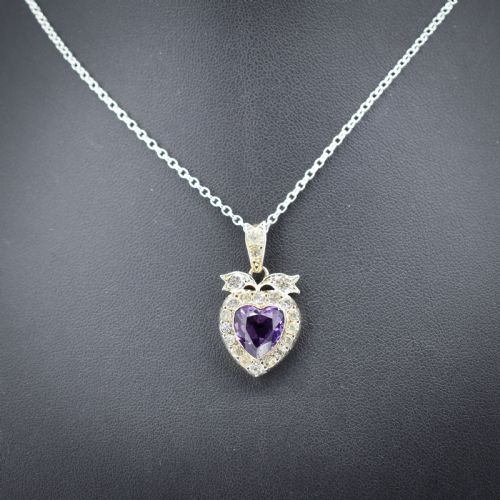
Earrings, cluster rings, and paste pendants dominate the selections alongside hardstone seals and mourning pieces set with hair, enamel, and pearls. These items were personal possessions, often commissioned to mark relationships, bereavement, or status, which explains their enduring appeal to modern collectors.
Styles range from neoclassical and regency influences to early and mid-victorian ornamentation, occasionally touching upon Edwardian or later nineteenth-century tastes. The survival of these objects offers a tangible link to past craftsmanship, utilising precious metals alongside accessible alternatives like gilt metal and paste.
Materials and construction methods
Makers fashioned georgian and victorian jewellery using gold of varying purities, alongside sterling silver, gilt metal, and gold cased techniques. Stones such as diamonds, amethysts, citrines, turquoises, sapphires, and garnets were hand-cut into old mine, rose, or table facets to catch candlelight or daylight.
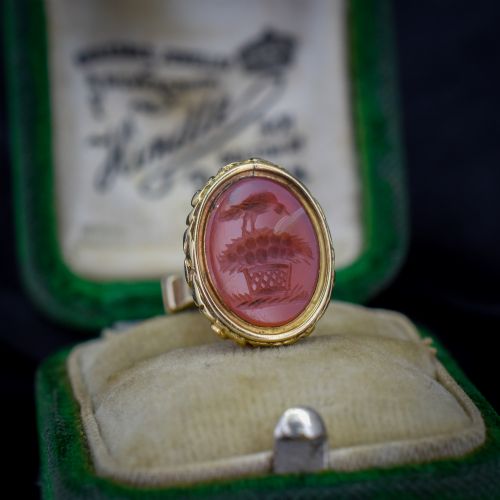
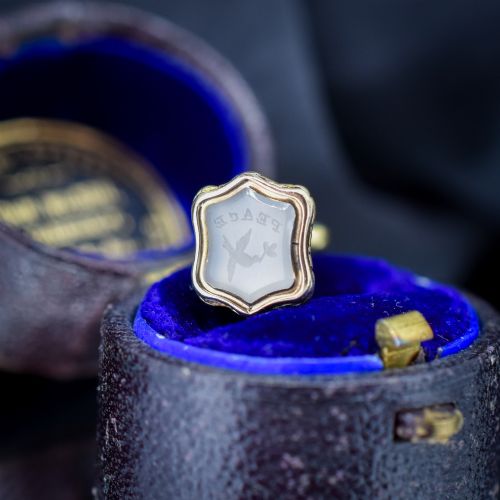
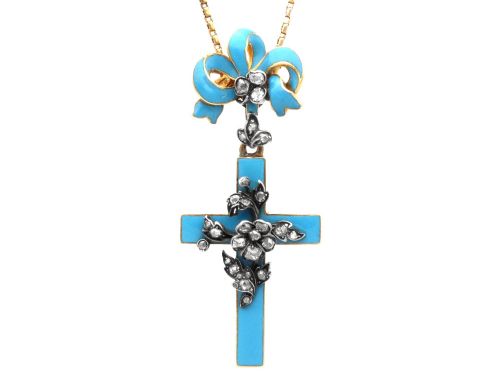
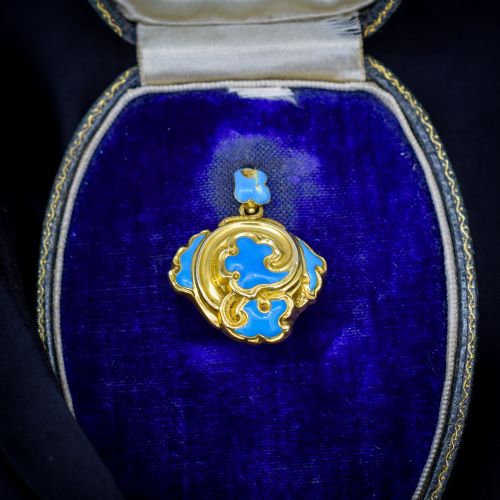
Enamel work in blue and other shades frequently complemented clusters and mourning locks, whilst hardstones like carnelian, agate, sardonyx, and chalcedony were carved into intaglios and seal fobs. Paste stones were hand-set in silver or gold-backed foils to maximise brilliance before the advent of modern cutting standards.
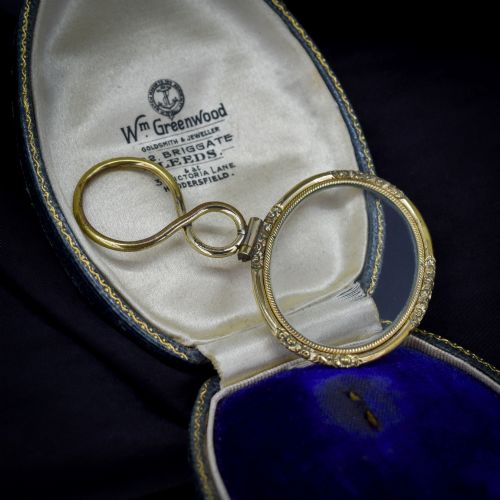
Intricate hand-engraving and chased metalwork appear on fob seals, rings, and lockets, demonstrating the high level of skill employed by period artisans. Components like split rings and tassel drops were individually assembled, reflecting workshop practices of the time rather than mass production.
Georgian and Victorian Jewellery Retail Price Guide 2026
Typical asking prices for georgian and victorian jewellery among the pieces listed under this phrase on Sellingantiques today, from the lower quarter to the upper quarter. They describe what is for sale here now, not the wider market.
Listings feature items from the Georgian, Regency, Victorian, Edwardian, and 1930 periods, incorporating silver, gold, diamonds, paste, and enamel.
Factors influencing quality and distinction
The standard of a piece of georgian and victorian jewellery relies heavily on the crispness of its hand-engraving and the precision of the stone setting. Fob seals with deeply carved intaglios and well-defined figural motifs represent a higher tier of workmanship than standard, softly cast examples.
The choice and treatment of materials also define the grade, such as the use of solid higher-karat gold or fine silver over gilt metal and lower-grade alloys. Original components, intact enamel work, and undamaged foil-backed paste elevate the integrity and desirability of surviving jewels.
The Georgian and Victorian Jewellery Glossary
- Paste
- Hand-cut glass used as a gemstone substitute in historical jewellery. It was often foil-backed to enhance reflectivity and colour.
- Intaglio
- A design incised into a gemstone or hardstone, allowing the piece to be used as a wax seal. Carnelian and chalcedony were popular choices for this technique.
- Fob seal
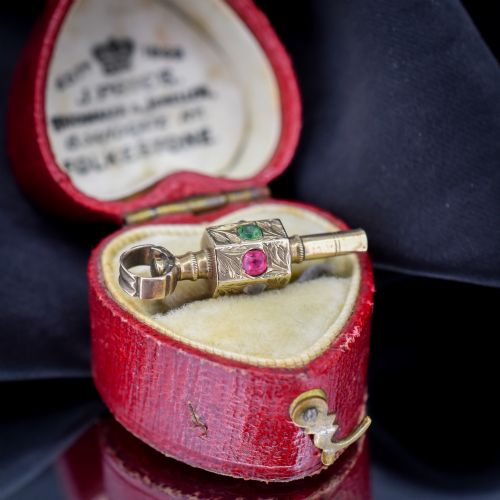
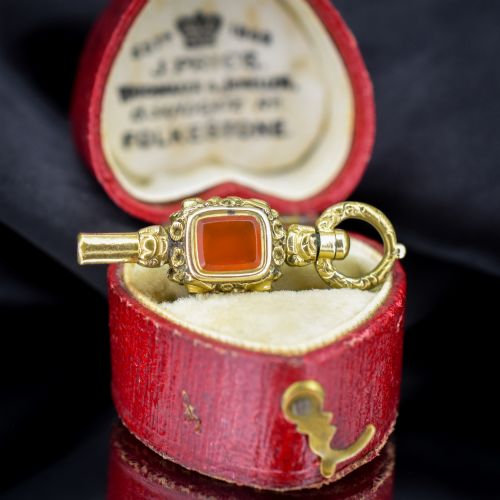
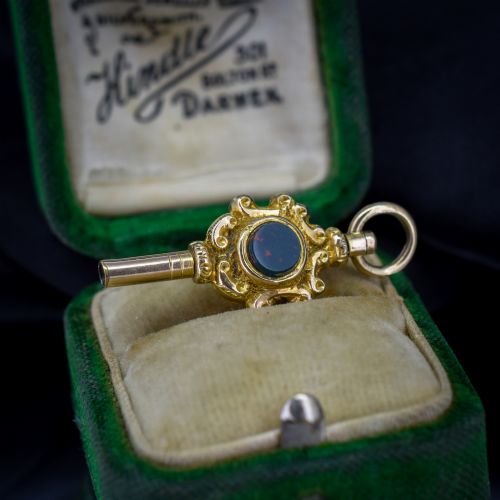
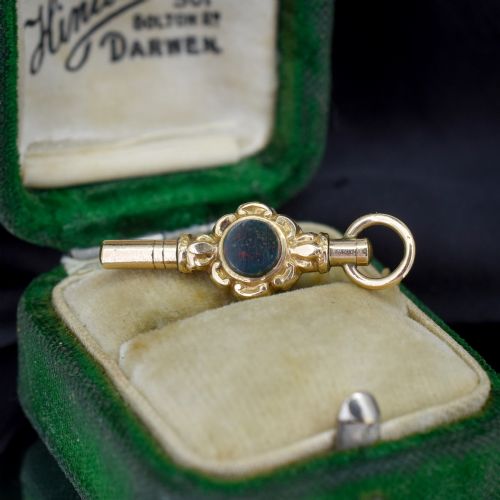
- A decorative pendant attached to a pocket watch chain, featuring a carved stone base for stamping wax. They frequently incorporate sardonyx or bloodstone.
- Mourning jewellery
- Pieces created to commemorate a deceased person, often incorporating human hair, black enamel, pearls, or sentimental inscriptions.
- Old cut diamond
- A hand-faceted diamond cut before modern automated standards were established, typically featuring a small table and a deep pavilion.
- Giardinetti brooch
- A style of jewellery depicting a small garden basket or floral arrangement, popular in the Georgian and early Victorian periods using various gemstones.
Georgian and Victorian Jewellery: Frequently Asked Questions
How do I date georgian and victorian jewellery?
Dating relies on identifying specific stylistic traits, metal purities, and gemstone cuts associated with each era. Georgian pieces often feature closed-backed settings and neoclassical motifs, whilst Victorian items display greater variety, from early romantic serpent designs to heavier mid-century clusters.
Assay marks and hallmarks, where present, provide official records of the year of manufacture and the city of testing. Comparing the construction methods, such as hand-cut stones versus machine-made elements, helps narrow down the period of origin.
What is a fob seal used for?
Historically, a fob seal hung from a gentleman's pocket watch chain and was pressed into melted sealing wax to close correspondence and documents. The base of the stone featured an intaglio engraving of initials, family crests, or classical figures.
Today, these pieces are commonly worn as pendants on necklaces or charms on bracelets. They showcase miniature carved hardstones like carnelian, agate, and sardonyx set in ornate gold or silver casings.
Can I wear antique mourning jewellery daily?
Wearing antique mourning jewellery daily is possible with careful consideration of its delicate materials and historical construction. Pieces set with hair, seed pearls, or enamel require protection from water, cosmetics, and harsh impacts to preserve their fragile components.
Checking the security of stone settings and the strength of split rings or clasps ensures safe wear. Many collectors enjoy these sentimental items regularly while storing them securely when engaging in strenuous activities.
What does paste mean in antique jewellery?
Paste refers to high-quality lead glass that was meticulously hand-cut and polished to imitate genuine gemstones. In the eighteenth and nineteenth centuries, paste was valued for its own decorative qualities rather than as a mere imitation.
Craftsmen frequently set paste stones in silver or gold, sometimes utilising coloured foils beneath the stone to increase brilliance. This technique produced vibrant red, blue, and green jewels that remain highly collectible today.