

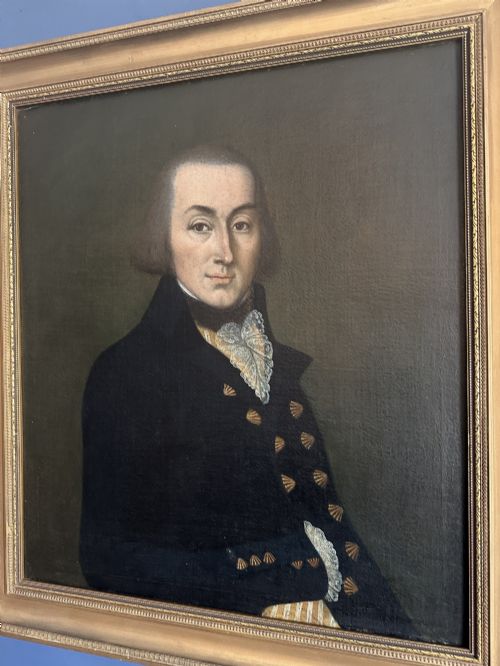


Georgian Ancestral Portrait Painting
A georgian ancestral portrait painting brings the gaze of past generations straight into a room.
Georgian Ancestral Portrait Painting
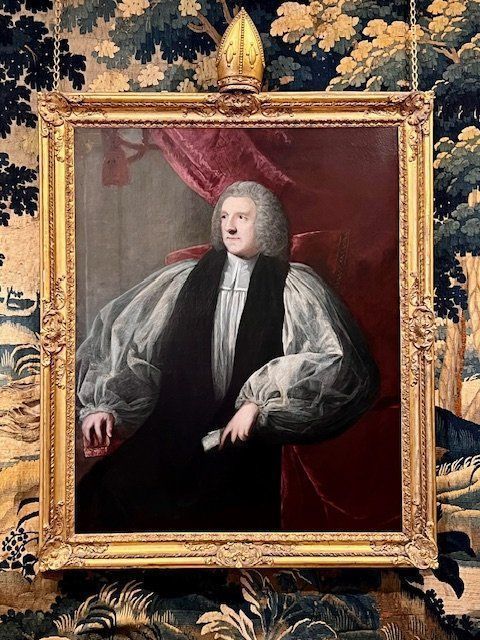
A georgian ancestral portrait painting depicts sitters from the seventeenth, eighteenth, and nineteenth centuries, often in original frames of wood, gesso, and gold leaf. These works capture gentlemen, ladies, naval officers, and ecclesiastics rendered in oil paint on canvas.
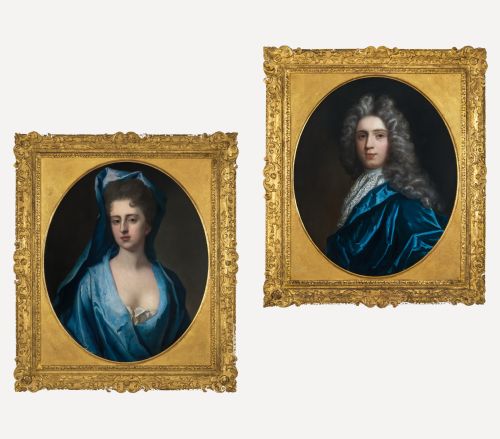
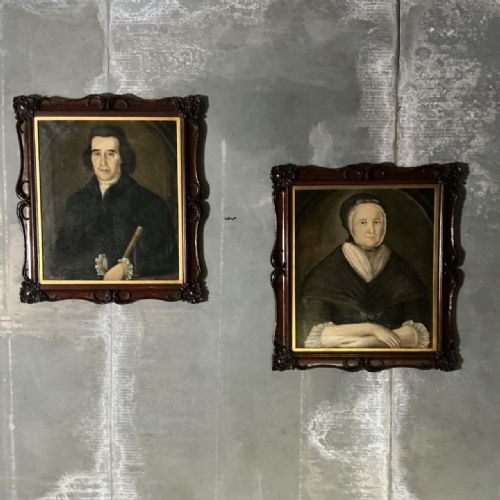
You will encounter single sitters alongside pairs of portraits showing a gentleman and a lady together. The listings include works attributed to specific artists as well as pieces from the English school and regional portraiture traditions.
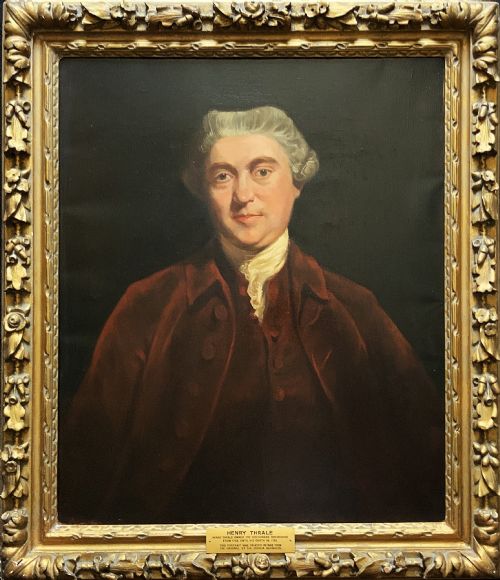
Dating ranges from the seventeenth century through the Regency period and into later nineteenth-century interpretations, with occasional twentieth-century versions after earlier masters like Sir Joshua Reynolds.
How they were made
Artists applied oil paint to stretched canvas, building up the likenesses of their subjects through layered pigments and glazes. These canvases were then housed in wooden frames finished with gesso and gold leaf to complement the interior architecture of period homes.
Many surviving pieces retain their original frames, which show the decorative carving and gilding techniques characteristic of Georgian and Regency craftsmanship.
Georgian Ancestral Portrait Painting Retail Price Guide 2026
Typical asking prices for georgian ancestral portrait painting among the pieces listed under this phrase on Sellingantiques today, from the lower quarter to the upper quarter. They describe what is for sale here now, not the wider market.
Alexander Popham and Archbishop Richard Robinson gaze across the centuries straight past the camera lens.
What varies in quality
The skill of the brushwork and the psychological depth of the sitter's expression set individual canvases apart. A confident hand captures the exact fall of a naval jacket or the texture of lace with greater conviction than a more rigid studio copy.
The survival of the original wooden and giltwood frame contributes significantly to the integrity of the piece. Matching pairs and works with clear attributions to named painters or established circles also command closer attention.
Sir Joshua Reynolds·Thomas Beach·Michael Dahl
The Georgian Ancestral Portrait Painting Glossary
- Oil on canvas
- Pigments bound in drying oil applied to a woven fabric support. This was the primary medium for elite portraiture throughout the period.
- Giltwood
- Wood carved and covered with a thin layer of gold leaf. Frames executed in this technique define the presentation of formal portraits.
- Gesso
- A plaster-like mixture applied to wood frames to create a smooth surface for gilding. It allows for crisp decorative moulding.
- English school
- A term used to describe works produced within the stylistic traditions of British artists. It groups together regional and unsniffed studio production of the era.
- Regency period
- The era spanning the early nineteenth century defined by specific neoclassical design traits. Portraits from this time often feature distinct costume details and framing styles.
Georgian Ancestral Portrait Painting: Frequently Asked Questions
How do I date a portrait?
Costume details, hairstyles, and the style of the canvas stretcher provide the clearest chronological clues. Clothing fashions changed rapidly, allowing garments and uniforms to pin down the decade.
The construction of the frame and the type of gesso underneath the gilding offer further physical evidence for the date of creation.
Why buy portrait pairs?
Husband and wife pairings were commonly commissioned together to hang side by side in country houses. They preserve the social and familial arrangement intended by the original patrons.
Finding surviving pairs in their original matching frames is an uncommon occurrence that adds balance to a wall display.
Where should I hang these portraits?
Traditional placement involved dining rooms, libraries, and stair halls where family lineages were displayed to visitors. Modern interiors use them to anchor a room with a focal point of historic character.
Keep canvases away from direct sunlight and excessive humidity to protect the oil paint and the gilded wood frames.
What is a circle of attribution?
A work attributed to the circle of an artist indicates production by a contemporary working closely in that master's style. It reflects the techniques and aesthetic of a specific studio environment without claiming a direct autograph signature.
This distinction helps classify period works that share the visual vocabulary of well-known painters.