









Georgian Ale Flute
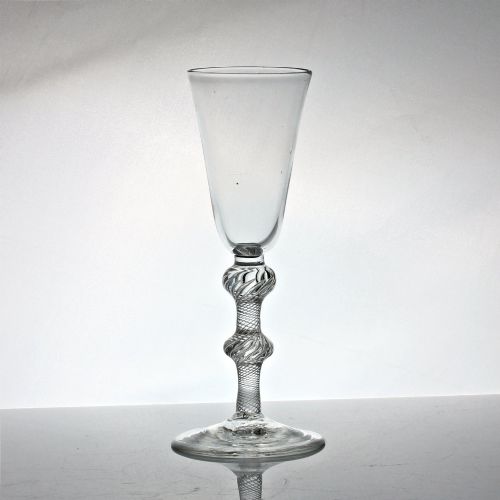
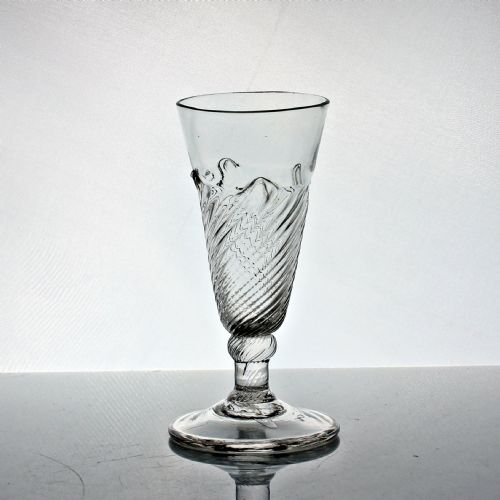
These Georgian ale flute examples are narrow drinking vessels designed for toasts and formal gatherings, prized for their slender bowls and twist stems.
Georgian Ale Flute
A georgian ale flute is a slender drinking vessel designed specifically for serving ale during the eighteenth century. These glasses typically feature tall, narrow bowls that help preserve the head and carbonation of the beverage.
The versions most commonly met on this page date from the eighteenth century, encompassing periods described as Georgian and around eighteen hundred. They appear in forms such as dwarf ale glasses, beer and ale glasses, and stemware.
Makers shaped these drinking vessels with distinct stem formations, ranging from plain stems to complex air twists and opaque twists. Collectors encounter bowls that are either plain, flammiform, or engraved with hop and barley motifs.
How they were made
These vessels are produced using lead glass, lead crystal, flint glass, and clear glass shaped through hand-blown glass techniques. Artisans also incorporated white enamel to create intricate internal twist formations within the stems.
Georgian Ale Flute Retail Price Guide 2026
Typical asking prices for georgian ale flute among the pieces listed under this phrase on Sellingantiques today, from the lower quarter to the upper quarter. They describe what is for sale here now, not the wider market.
What varies in quality
Quality in these drinking glasses rests on the clarity of the metal and the precision of the stem formation. Clear glass and lead crystal provide a brilliance that elevates the appearance of the vessel.
The finesse of the engraving and the complexity of the twist work separate standard examples from finer pieces. Details such as a folded foot and clean facet cutting indicate higher craftsmanship.
The Georgian Ale Flute Glossary
- Ale glass
- A tall drinking vessel specifically shaped for consuming ale in the eighteenth century. These glasses usually feature narrow bowls to maintain the drink's effervescence.
- Air twist
- A stem formation containing internal threads of trapped air created during the manufacturing process. These spirals catch the light and add visual texture to the stem.
- Opaque twist
- A stem design featuring white enamel rods twisted inside clear glass to form intricate patterns. Double series versions combine multiple twist elements within a single stem.
- Folded foot
- A base edge turned under during manufacture to create a thicker, more stable rim. This technique strengthens the lower portion of the drinking vessel.
- Facet cut
- Geometric planes cut and polished onto the surface of the glass stem or bowl. This decorative technique creates sharp angles that reflect light.
Georgian Ale Flute: Frequently Asked Questions
What is a georgian ale flute?
A georgian ale flute is an eighteenth century drinking vessel with a tall, narrow bowl designed to serve ale. The elongated shape helped to maintain the carbonation of the beverage during formal dining.
These pieces typically feature decorative stems including air twists, opaque twists, or facet cuts. They represent a specialised category of drinking glasses from the Georgian period.
How were these glasses used?
These vessels were utilised for serving ale at the dining table during social gatherings and formal toasts. Their capacity was generally smaller than modern pint glasses, suiting the drinking customs of the era.
The narrow bowl concentrated the aromas of the hop and barley beverages. Guests held them by the stem to prevent warming the ale with their hands.
What does hop and barley mean?
Hop and barley motifs refer to the traditional ingredients used in brewing ale, which were frequently engraved onto eighteenth century glassware. These agricultural patterns celebrated the contents of the vessel.
Engravings of this nature connect the visual appearance of the glass directly to its function. They appear on both the bowls of ale flutes and wider beer glasses.