






George V Silver Plate
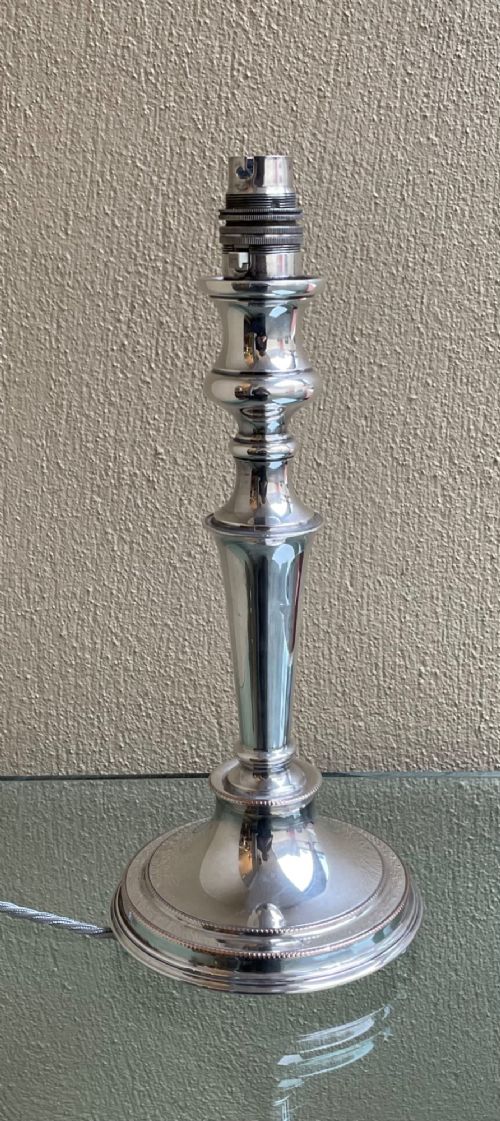
George v silver plate brings together domestic table accessories and lighting crafted during the reign, often showing traditional Georgian and Edwardian forms.
George V Silver Plate
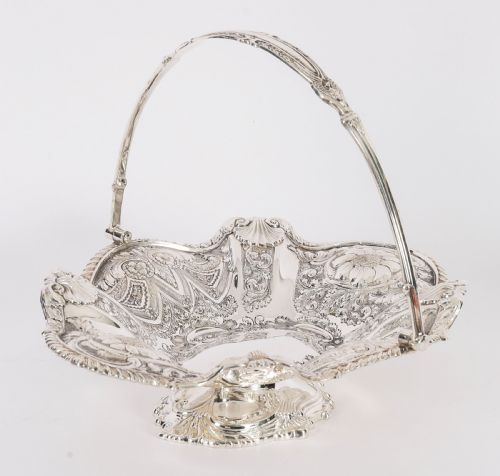
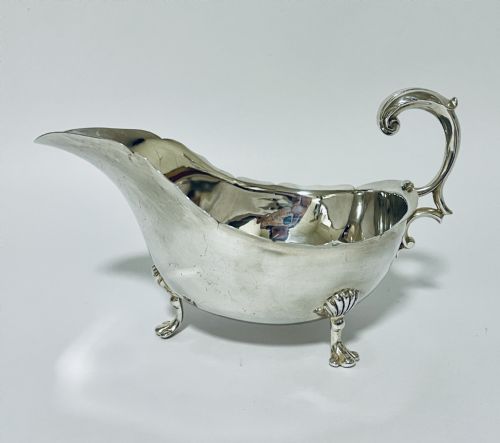
When you search for george v silver plate, you examine utilitarian and decorative dining items produced in plated metals during the early twentieth century alongside older styles that influenced them. The pieces appearing here span table lamps, fruit baskets, and serveware, reflecting the domestic habits of the period.
The selection frequently includes items associated with formal dining and household organisation. Makers of the era drew heavily upon earlier aesthetic vocabularies, meaning Georgian and Victorian outlines often reappear in twentieth-century production.
How they were made
The objects recorded in the inventory utilise base metals such as copper overlaid with silver, a technique that includes old Sheffield plate methods and later electroplating. This process allowed workshops to produce robust domestic items with the appearance of solid silver.
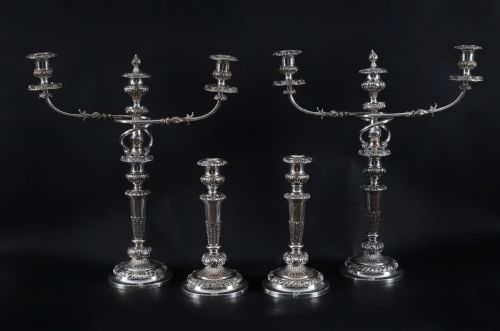
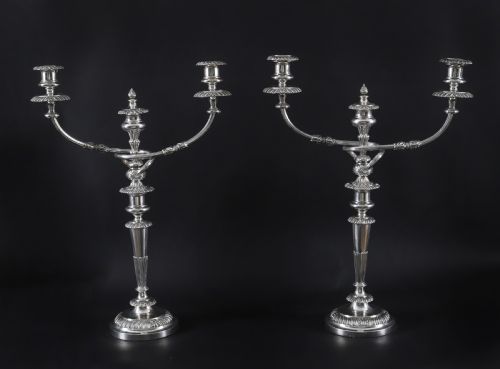
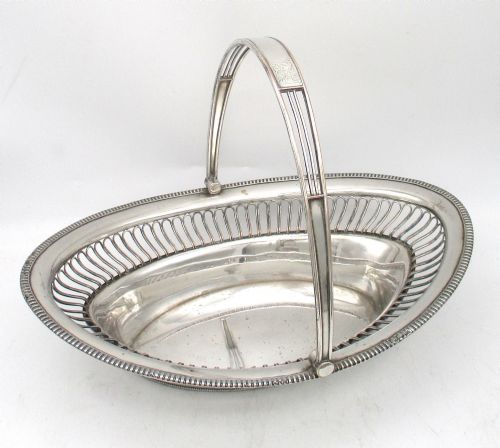
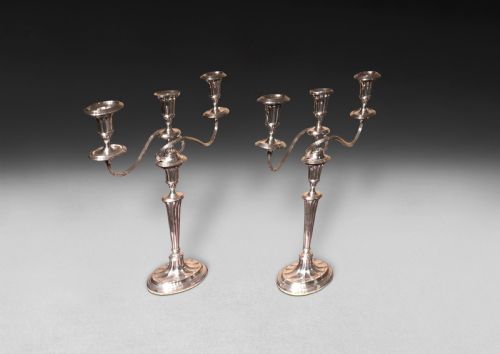
Casting and wirework formed the structural components for pieces like baskets and candelabra, while skilled finishing involved hand-polishing and applied borders. Mahogany also appears in associated items like silver chests used for storage.
George V Silver Plate Retail Price Guide 2026
Typical asking prices for george v silver plate among the pieces listed under this phrase on Sellingantiques today, from the lower quarter to the upper quarter. They describe what is for sale here now, not the wider market.
Listings incorporate materials ranging from copper and silver plate to mahogany and sterling silver, spanning periods from the eighteenth century to the Edwardian era.
What varies in quality
Quality in these plated goods rests upon the thickness of the silver deposition and the crispness of the chased or applied ornament. Superior examples maintain their plating integrity across high-wear surfaces and sharp cast details.
Proportion and the retention of original components, such as interchangeable branches on candelabra or original swing handles on baskets, distinguish finer examples. The reputation of the maker and the precision of the assembly further elevate the standing of a piece.
George W. Scott & Sons Ltd·Matthew Boulton·Elkington·George Cooper·Samuel Hennell·Daniel Holy of Sheffield
The George V Silver Plate Glossary
- Old Sheffield Plate
- A fused laminate of copper and silver created by heating and rolling the metals together before fabrication. This early method often reveals a thin line of copper at the edges.
- Electroplate
- A method of depositing a layer of silver onto a base metal using electrical current, introduced in the nineteenth century. This technique largely superseded earlier fusing methods.
- Candelabra
- A branched candlestick designed to hold multiple taper candles. These objects often feature removable branches to allow use as simple candlesticks.
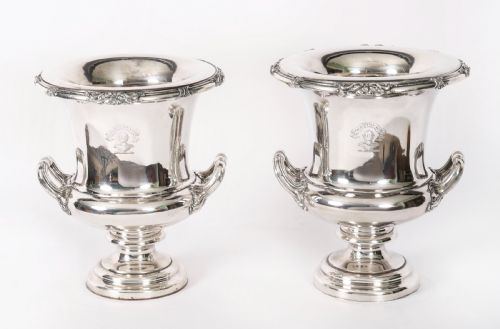
- Wine Cooler
- A vessel designed to chill bottles, frequently executed in heavy plated metal with insulated liners or decorative handles. They formed part of formal dining service.
- Wirework
- An openwork structure formed from joined metal wires, commonly seen on eighteenth and nineteenth-century fruit baskets. This technique offered lightness and decorative geometric patterns.
George V Silver Plate: Frequently Asked Questions
What is old Sheffield plate?
Old Sheffield plate is an early form of silver plating created by fusing a sheet of silver to a thicker copper ingot before rolling them into sheets for crafting.
This method produces a distinctive warm tone and often reveals a thin line of copper along cut edges or high-wear points.
Are these items solid silver?
The majority of pieces listed under this category utilise a base metal such as copper coated in a layer of silver, rather than being solid precious metal.
Maker marks and hallmarks on plated wares typically indicate the plating method or manufacturer rather than silver purity standards.
How were wine coolers used?
Wine coolers were filled with ice or cold water to lower the temperature of bottles before and during formal dining occasions.
They stood upon sideboards or dedicated stands, serving both a functional role in table service and a decorative display purpose.