





George V Glassware
George v glassware brings together items from royal commemorations, private commissions, and domestic drinking services.
George V Glassware
When you search for george v glassware, you encounter commemorative items alongside royal commission pieces and earlier Georgian serving vessels associated with the name George.
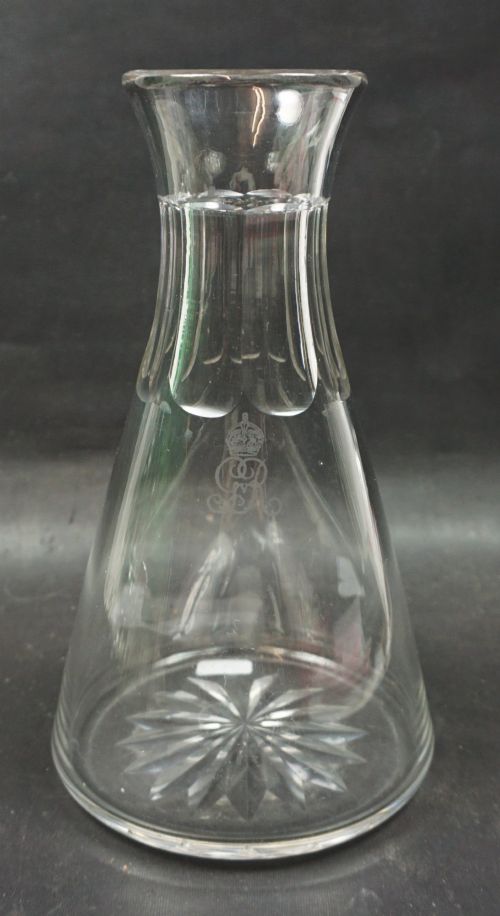
The selection ranges from coronation goblets dated nineteen hundred and eleven to carafes monogrammed for King George the fifth around nineteen twenty five.
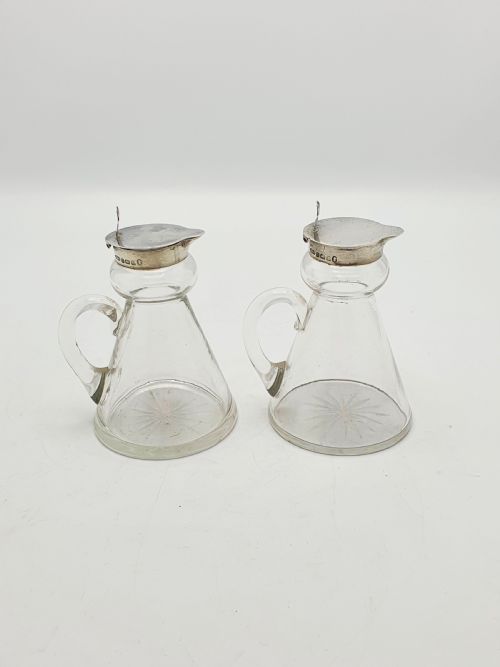
Buyers also find sterling silver whisky noggins bearing George the fifth silver jubilee marks from nineteen thirty five.
How george v glassware pieces were made
Makers utilised lead glass, lead crystal glass, and clear glass to form vessels, shaping them through blowing, moulding, and cutting.
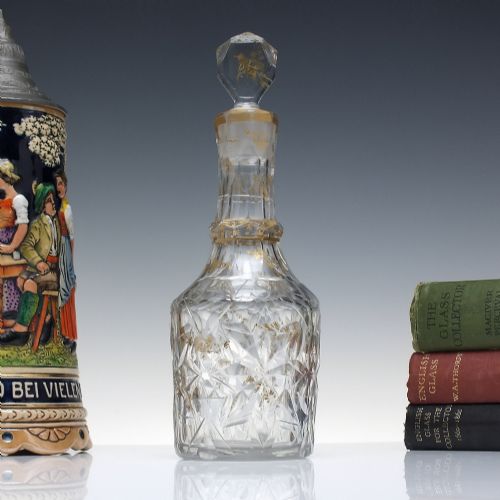
Decoration involved delicate gold leaf application, enamel work, and precision cutting to create faceted decanters and tazze.
George V Glassware Retail Price Guide 2026
Typical asking prices for george v glassware among the pieces listed under this phrase on Sellingantiques today, from the lower quarter to the upper quarter. They describe what is for sale here now, not the wider market.
Listings span multiple centuries, uniting early eighteenth century Georgian baluster glasses and patch stands with nineteen thirties silver jubilee noggins.
What varies in quality
The standard of execution depends on the crispness of the cut crystal facets and the delicacy of the enamel and gold leaf detailing.
Historical provenance and clear royal association elevate specific carafes and goblets far above standard domestic production.
Atelier of James Giles
The George V Glassware Glossary
- Decanter
- A vessel used for holding and serving wine or spirits, often fitted with a stopper. These pieces appear frequently in cut crystal and lead glass.
- Tazza
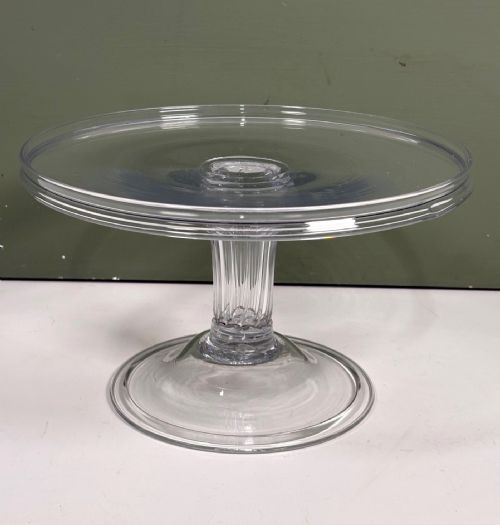
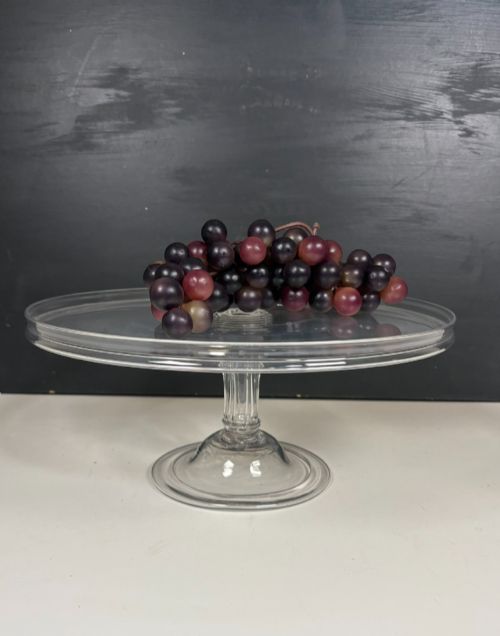
- A shallow bowl or cup mounted on a stem and foot, used for serving fruit or sweetmeats. Large examples form striking table centerpieces.
- Baluster glass
- A drinking vessel with a heavy, swelling stem characteristic of early eighteenth century manufacture. The form relies on heavy lead glass for stability.
- Whisky noggin
- A small spirit measure or jug, often paired with a sterling silver mount and hallmark. They reflect the refined drinking habits of the period.
- Enamel
- A decorative melted glass coating applied to the surface of glassware for colour and pattern. It provides a striking contrast to clear lead crystal.
George V Glassware: Frequently Asked Questions
What is george v glassware?
These items include commemorative pieces made for royal coronations and jubilees, alongside monogrammed dining wares from the early twentieth century.
Collectors also encounter earlier Georgian glass pieces that share the royal George designation within their historical descriptions.
How were commemorative pieces used?
Coronation goblets and commemorative vessels were created to mark significant national events and royal milestones during the reign of King George the fifth.
They served primarily as display pieces or special toast vessels rather than everyday domestic tableware.
How do I identify a royal commission?
Official pieces often feature specific monograms, crests, or royal yacht patterns tied directly to King George the fifth.
Assay office marks and specific jubilee date hallmarks on accompanying silver mounts provide further verification.
What materials are typical?
Lead glass, clear glass, and cut crystal form the primary substance of these drinking vessels and decorative tazze.
Finer examples incorporate additional decorative elements such as gold leaf, enamel painting, and sterling silver fittings.